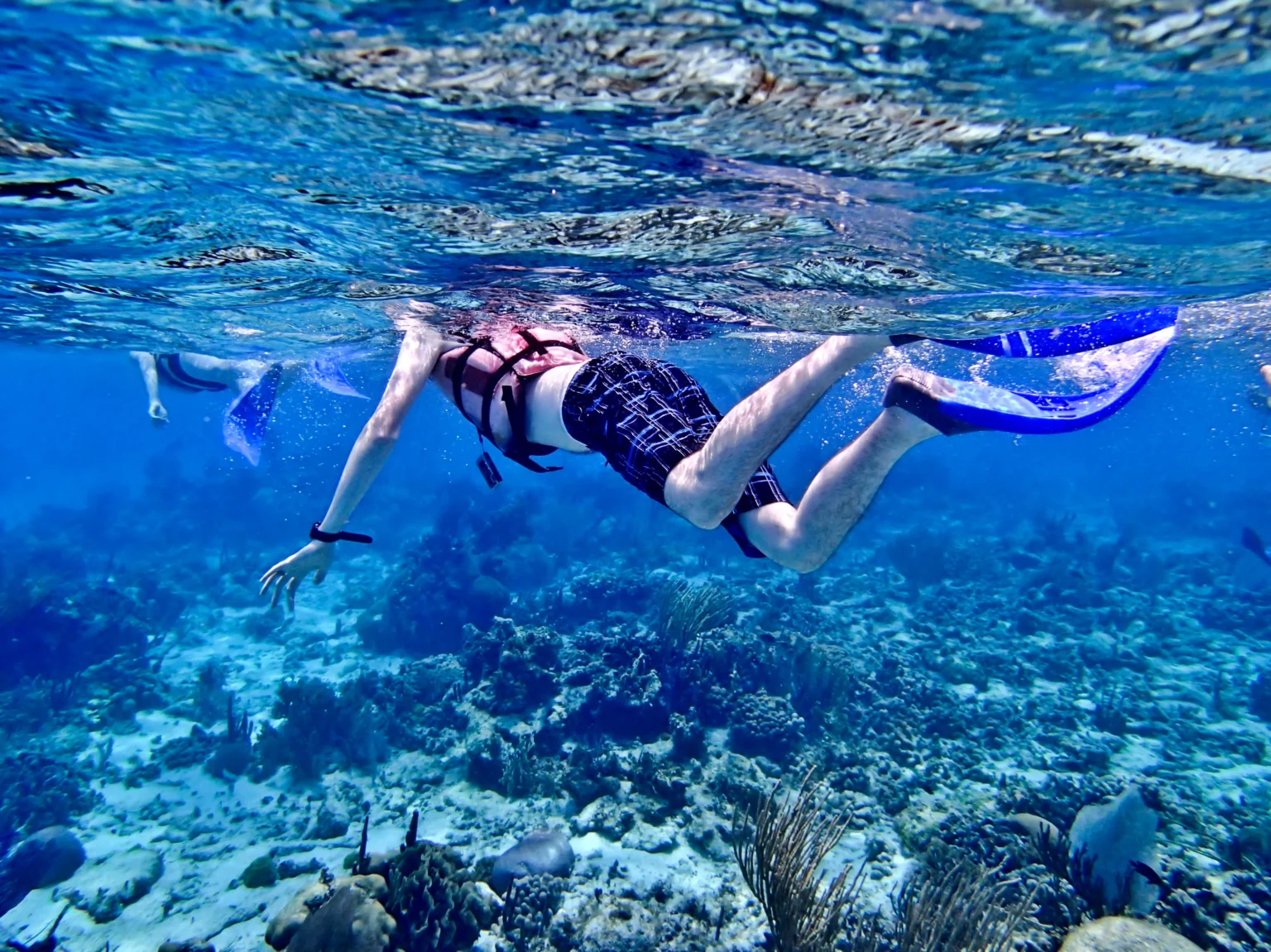

Snorkeling is one of the easiest and most rewarding ways to experience the ocean, especially for travelers who are not divers or strong swimmers.
When done at the right beach, snorkeling feels calm, safe, and almost effortless. When done at the wrong place, it can feel overwhelming, exhausting, or even dangerous.
This guide focuses only on the best beaches for snorkeling for beginners. These are places where the water is shallow, entry is easy, currents are minimal, and marine life is visible without needing advanced skills.
Beyond listing destinations, this article also explains how beginners should choose the right beach, what mistakes to avoid, what gear actually matters, and how to snorkel safely and responsibly.
If you are snorkeling for the first time, or helping someone else start, this guide covers everything you need.
What Makes a Beach Beginner Friendly for Snorkeling
Not every beautiful beach is good for beginners. A beginner snorkeling beach must meet several practical conditions.
The best beginner snorkeling beaches usually have:
- Shallow water that deepens slowly
- Protected bays or lagoons that reduce waves and currents
- Clear water with good visibility
- Easy entry from the shore or very short boat rides
- Lifeguards, guides, or organized snorkeling support nearby
Marine life should be visible close to shore so beginners do not need to swim far. Calm conditions matter more than reef size.
Best Beaches for Snorkeling for Beginners
Hanauma Bay, Oahu

Hanauma Bay is widely considered one of the best beginner snorkeling beaches in the world. The curved volcanic bay creates a natural lagoon that protects snorkelers from strong waves.
Coral reefs sit in shallow water close to shore, making it easy to float and observe fish without effort.
Why it is ideal:
- Gradual sandy entry
- Calm, clear water
- Mandatory safety and reef education for visitors
Best time to snorkel: Early morning on weekdays
Skill level: Absolute beginners and families
Hol Chan Marine Reserve, Ambergris Caye
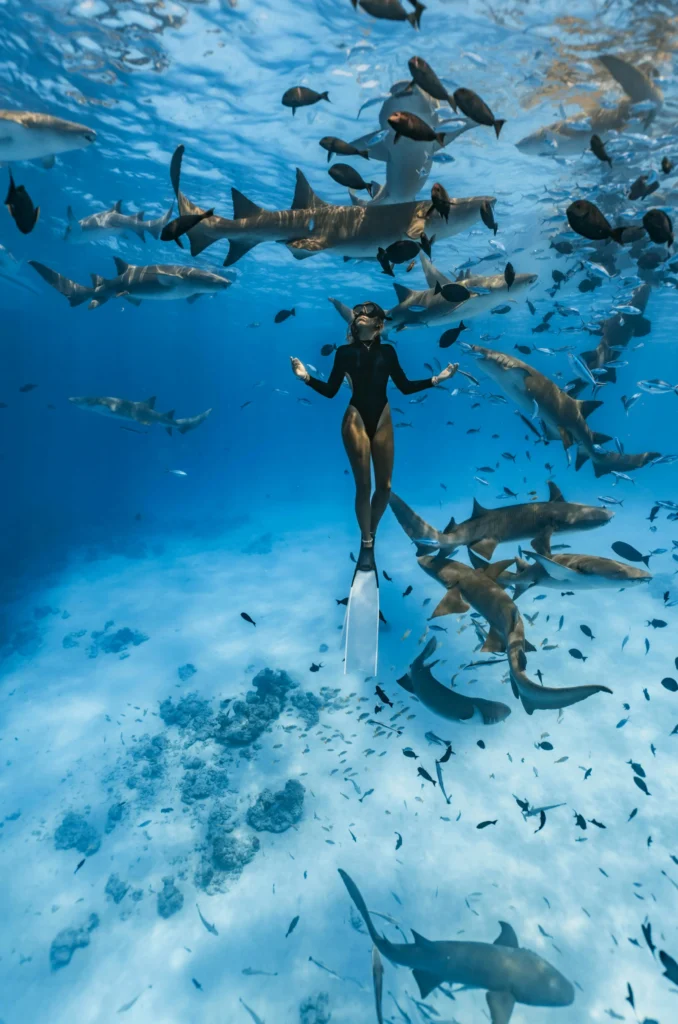
Hol Chan Marine Reserve is a protected area where guides lead beginners through shallow reef zones with excellent visibility.
Nearby Shark Ray Alley offers a controlled, shallow water experience with stingrays and nurse sharks under supervision.
Why it is ideal:
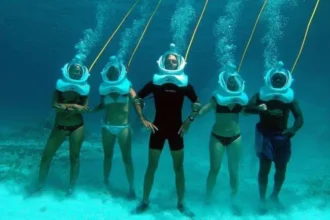
- Guided snorkeling with flotation support
- High marine life density
- Shallow water zones
Best time to snorkel: Dry season mornings
Skill level: Beginners who prefer guided experiences
Stingray City, Grand CaymanGrand Cayman
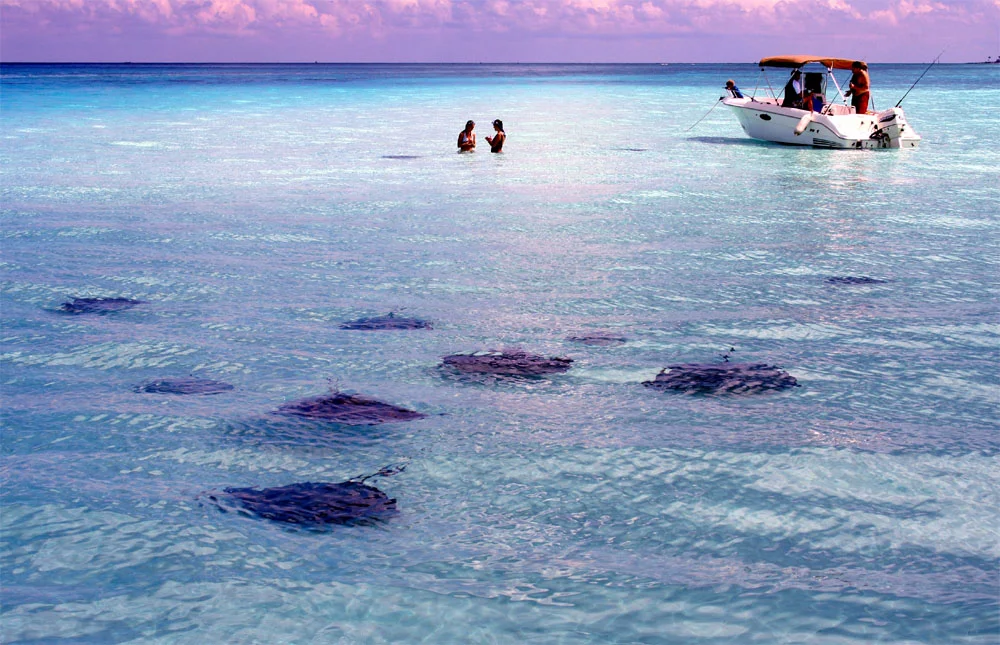
Stingray City is located in waist deep water over a sandy bottom. It is one of the safest and least intimidating marine encounters for beginners.
Most tours allow participants to stand, float, or snorkel gently while guides supervise.
Why it is ideal:
- Very shallow water
- Sandy bottom with excellent visibility
- High level of guide supervision
Best time to snorkel: Morning tours
Skill level: Non swimmers and first timers
Bonaire National Marine Park, Bonaire
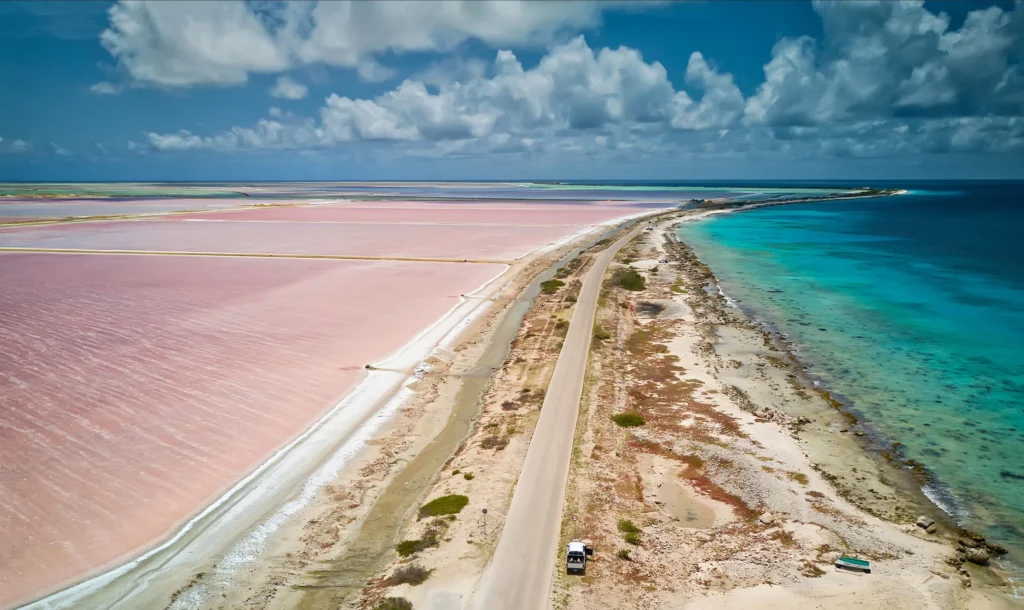
Bonaire is famous for shore snorkeling. Many beaches have marked entry points where reefs begin just a short swim from shore.
The water is calm, clear, and protected by strict marine park rules.
Why it is ideal:
- Easy shore access
- Minimal currents
- Consistent visibility
Best time to snorkel: Year round
Skill level: Independent beginners
Apo Island Marine Sanctuary, Apo Island

Apo Island is a community protected marine sanctuary known for turtles and healthy shallow reefs. Local guides lead beginner friendly snorkeling sessions close to shore.
Why it is ideal:
- Shallow coral gardens
- Frequent turtle sightings
- Community managed conservation
Best time to snorkel: Outside monsoon season
Skill level: Beginners wanting wildlife encounters
Nusa Lembongan, Nusa Lembongan
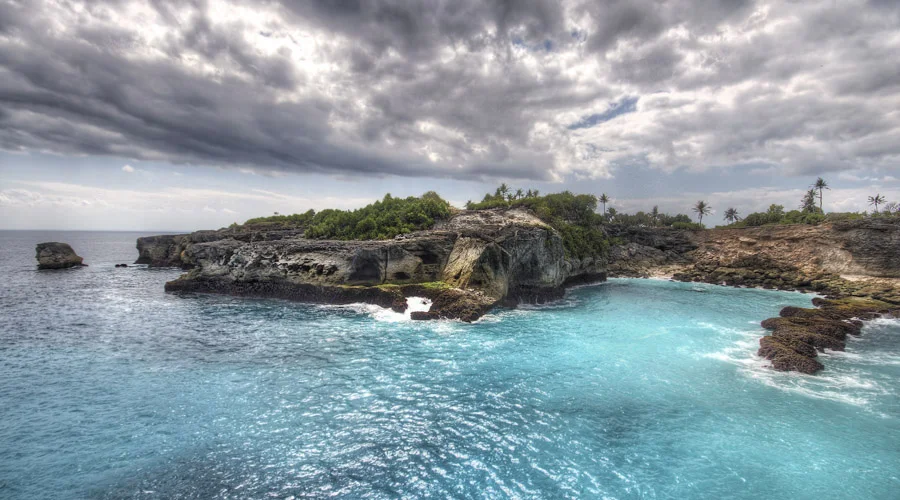
Several sheltered bays around Nusa Lembongan Nusa Lembonganoffer calm snorkeling conditions suitable for beginners. Guided trips focus on shallow reef sections and provide flotation aids.
Why it is ideal:
- Affordable guided snorkeling
- Shallow reef access
- Calm bays in good conditions
Best time to snorkel: Dry season mornings
Skill level: Budget friendly beginners
Koh Tao Bays, Koh Tao
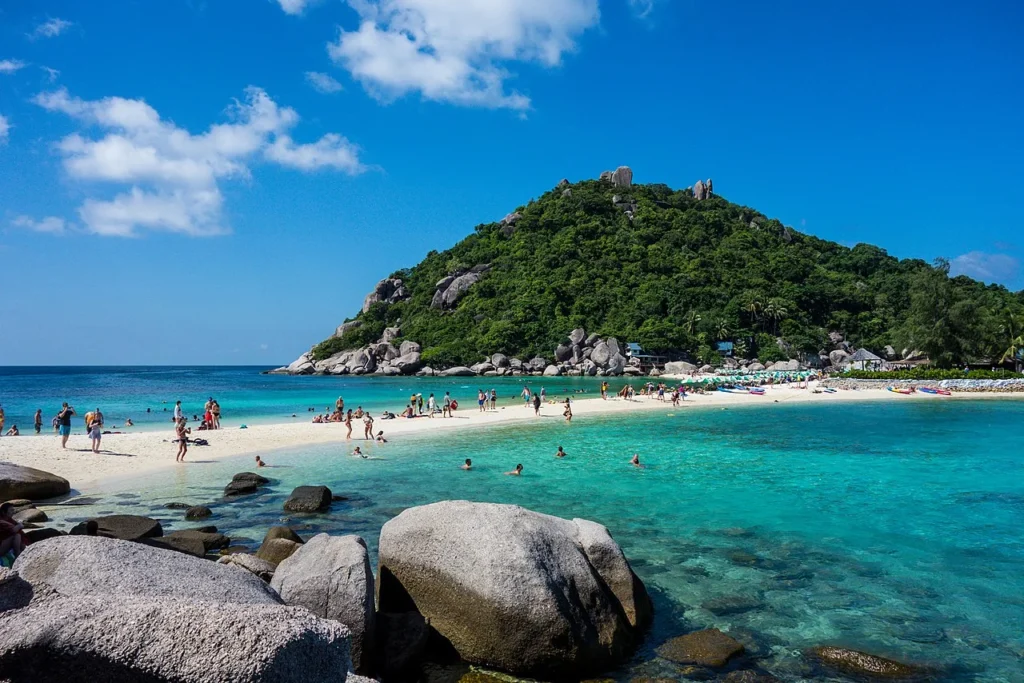
Koh Tao has multiple shallow bays where coral begins close to shore. Many snorkeling schools offer short lessons before guided swims, making it beginner friendly.
Why it is ideal:
- Shallow entry points
- Low cost lessons
- Calm bays during good weather
Best time to snorkel: Outside monsoon season
Skill level: First time snorkelers
Efate Island, Efate
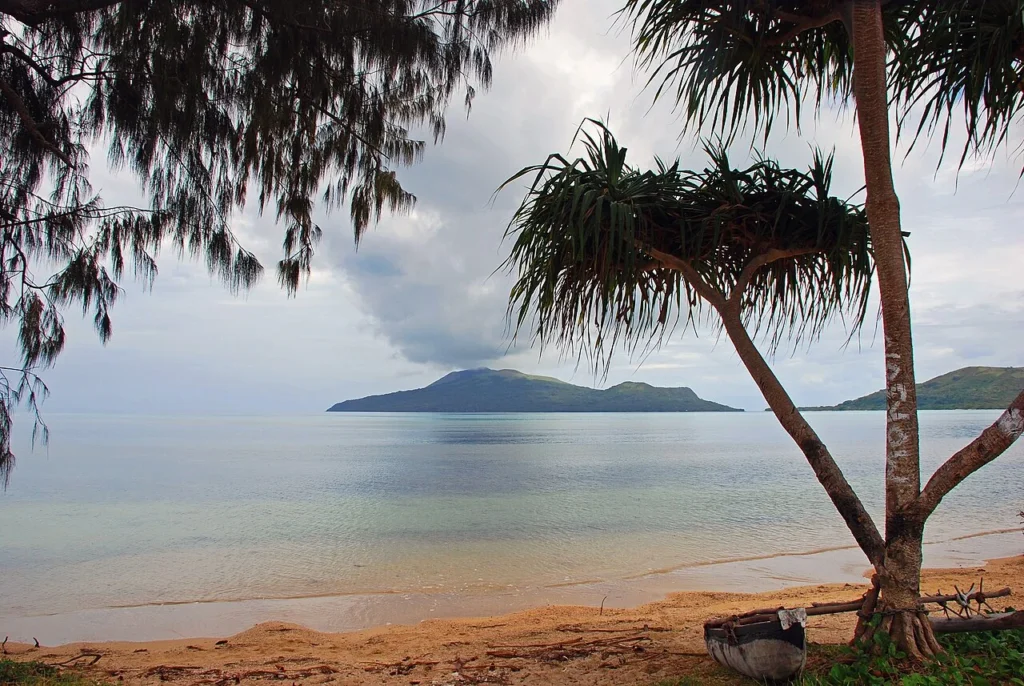
EfateEfate Island offers quiet, uncrowded snorkeling spots with shallow reefs accessible from the beach. The lack of crowds helps beginners stay relaxed.
Why it is ideal:
- Low tourism pressure
- Calm shore access
- Clear water in protected bays
Best time to snorkel: Dry season
Skill level: Beginners seeking quiet locations
Raja Ampat Lagoons, Raja Ampat

Some lagoons near homestays in Raja Ampat offer shallow, calm snorkeling suitable for beginners who are comfortable with remote travel.
Why it is ideal:
- Extremely healthy reefs
- Shallow lagoon access
- Minimal currents in protected areas
Best time to snorkel: Outside monsoon periods
Skill level: Adventurous beginners
Shore Snorkeling vs Boat Snorkeling for Beginners
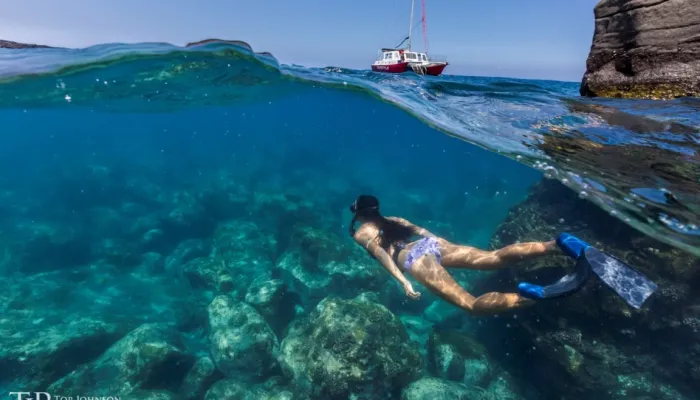
Both options work, but beginners should understand the difference.
Shore snorkeling
- Easier entry and exit
- No time pressure
- Ideal for nervous snorkelers
- Lower cost
Boat snorkeling
- Access to protected reefs
- Guides and instruction included
- Shorter sessions
- Better for wildlife encounters
Best progression for beginners is shore snorkeling first, followed by short guided boat trips.
Common Beginner Snorkeling Mistakes to Avoid
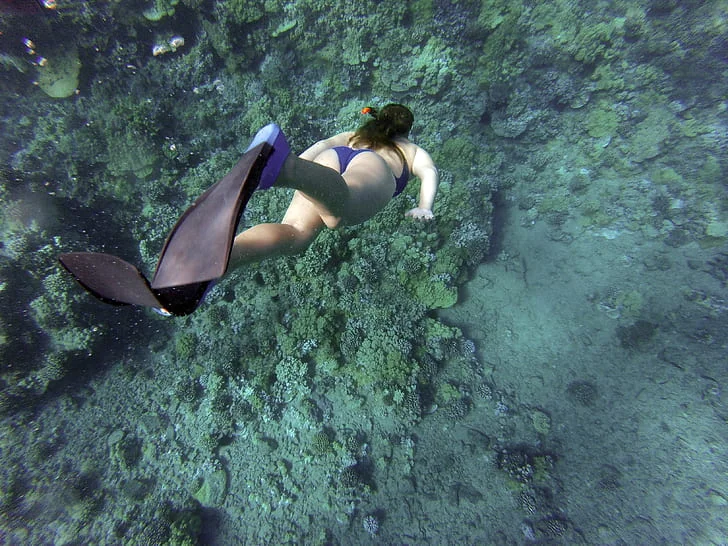
Most bad experiences come from avoidable errors:
- Choosing open ocean beaches instead of protected bays
- Snorkeling during rough midday conditions
- Using poorly fitting masks
- Skipping flotation aids
- Overkicking and tiring quickly
Snorkeling should feel slow and effortless. If it feels stressful, conditions or location are wrong.
Understanding Currents, Waves, and Visibility Simply
- Currents: If drifting, stop kicking, float, and signal for help
- Waves: Beginner beaches should feel calm and steady
- Visibility: If you cannot see the bottom easily, wait for better conditions
A simple rule is to snorkel where locals are snorkeling.
Health, Fitness, and Safety Considerations
Snorkeling is low impact but still physical.
Beginners should:
- Use snorkel vests if unsure
- Avoid snorkeling when tired or dehydrated
- Start with short sessions
- Take frequent breaks
Anyone with heart, lung, or ear issues should consult a doctor before snorkeling.
Travel Insurance and Snorkeling
Travel insurance should cover:
- Recreational snorkeling
- Boat excursions
- Emergency medical evacuation
Always declare snorkeling activities when buying insurance.
Essential Beginner Snorkeling Gear
- Properly fitting mask
- Snorkel with purge valve
- Short fins
- Snorkel vest
- Rash guard or sun shirt
- Reef safe sunscreen
- Water shoes for rocky entries
Good fit matters more than expensive brands.
How to Snorkel Step by Step for Beginners
- Practice breathing through the snorkel in shallow water
- Float face down with relaxed breathing
- Kick slowly from the hips
- Keep fins up and away from coral
- Stay close to your buddy or guide
Confidence builds quickly when conditions are right.
Environmental Responsibility for Beginners
Beginners unintentionally cause the most reef damage.
Always:
- Never stand on coral
- Keep fins high
- Do not touch wildlife
- Do not feed fish
- Use reef safe sunscreen
Healthy reefs depend on respectful behavior.
Best Time of Day and Season for Beginner Snorkeling
- Early morning offers calm water and best visibility
- Dry seasons are ideal
- Avoid strong wind days
- Avoid peak crowds when possible
Planning timing is as important as choosing the beach.
Cost Expectations for Beginner Snorkeling
- Shore snorkeling with own gear is often free
- Gear rental usually costs little
- Guided tours range from affordable to premium depending on location
Beginners should prioritize safety and instruction over price.
Frequently Asked Questions About Beginner Snorkeling
Is snorkeling safe for beginners?
Yes, when done in calm water with flotation and guidance.
Can non swimmers snorkel?
Yes, with snorkel vests and guided shallow sessions.
How deep are beginner snorkeling beaches?
Usually waist to chest deep near shore.
How long should beginners snorkel?
Start with ten to twenty minutes.
Is touching coral dangerous?
Yes, it harms coral and can injure snorkelers.
Final Thoughts
The best beaches for snorkeling for beginners share the same qualities: calm water, shallow reefs, clear visibility, and strong local support. When beginners choose the right location, snorkeling becomes relaxing, confidence building, and unforgettable.
Start slow, choose protected bays, use flotation if needed, and respect marine life. With these steps, snorkeling becomes one of the most accessible and rewarding experiences in beach travel.
Stay tuned with us. Further, follow us on social media for the latest updates.
Join us on X, Instagram for the Latest Travel related updates.