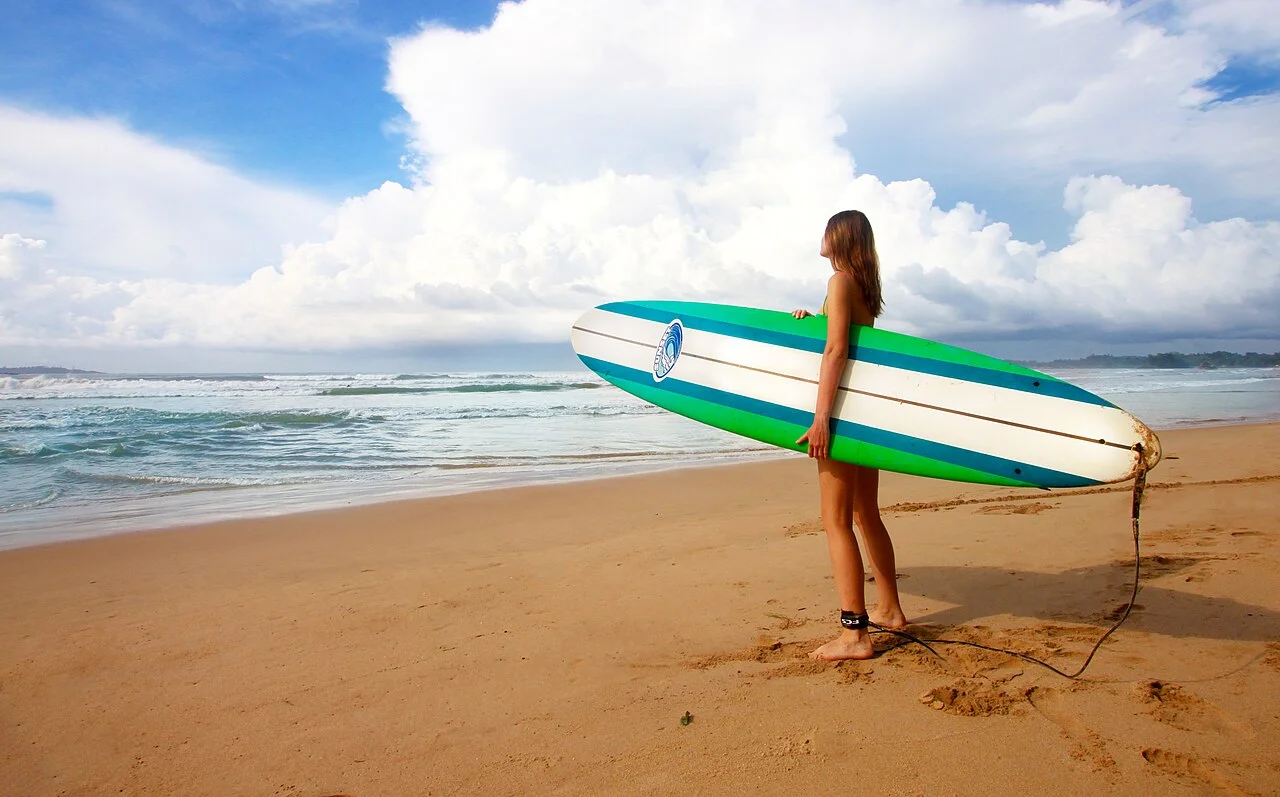

Surfing is more than a sport, it’s a way of life. For many, chasing waves across the globe isn’t just a bucket-list journey but the heartbeat of adventure travel, guided by the surf season calendar that determines where and when the best waves appear.
The rhythm of surf seasons varies dramatically by region, influenced by storm patterns, swell direction, wind, and ocean geography, which means that then Hawaii is very different from the peak season in Portugal or Indonesia.
Whether you’re a beginner looking to catch consistent rollers or an advanced rider chasing perfect barrels, knowing when waves peak at different destinations is essential to planning an epic 2026 surf trip.
In this guide, we break down surf seasons worldwide, explain why waves peak when they do, and highlight the best windows to score quality surf around the planet, from tropical breaks to cold-water barrels.
How Surf Seasons Work
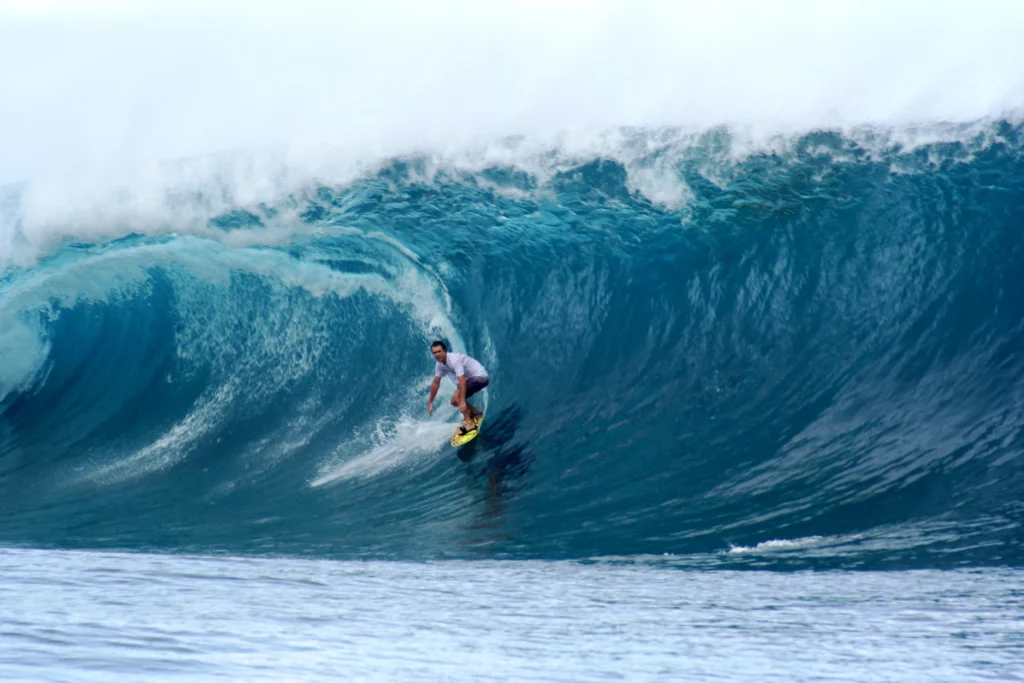
Before we chart the global calendar, it’s worth understanding why surf seasons exist at all.
Ocean waves are primarily generated by wind energy and distant storms. When storms form in open ocean basins, the wind pushes energy into the water.
That energy travels as “swell” and, when it reaches shallow water near coastlines with favorable topography, it forms surfable waves.
Key factors that affect when and where waves peak include:
- Storm activity and swell generation zones
- Wind direction and offshore winds
- Tides and geography of the coast
- Ocean currents and seasonal temperature changes
Different hemispheres and ocean systems have their own peak periods, which is why understanding surf seasons means looking at the world through both hemispheres.
North Pacific Surf – Hawaii & California
Hawaii:
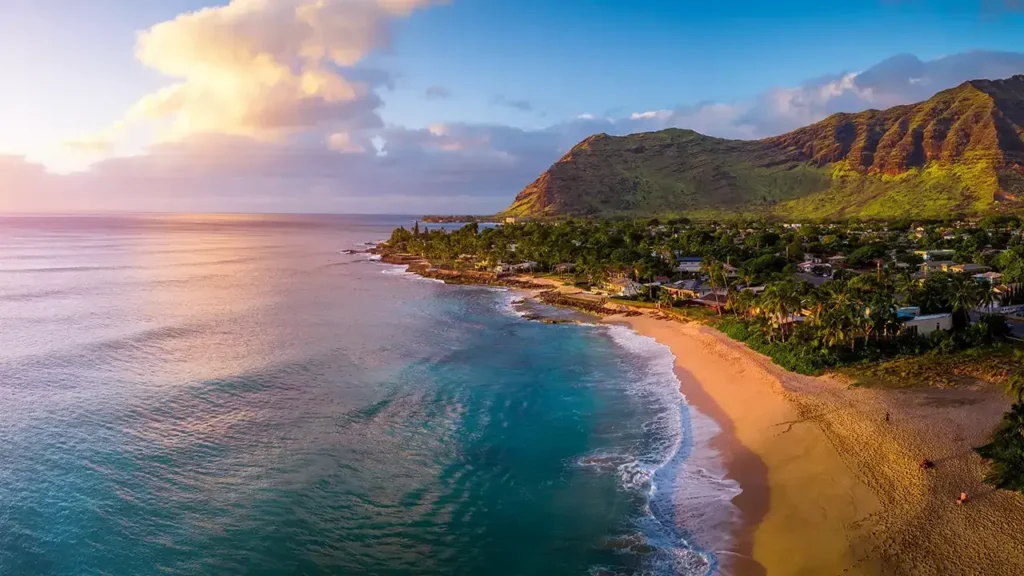
Big Waves and Winter Swells
Hawaii’s North Shore on Oahu is legendar, iconic breaks like Pipeline, Sunset Beach, and Waimea Bay draw surfers from around the world.
This region’s peak surf season runs from November through February, when winter storms in the North Pacific send powerful long-period swells across the ocean to the islands.
During this time, waves can reach epic proportions, with winter storms stirring up surf so big it challenges even professionals.
This period also hosts some of surf culture’s most storied events and moments, such as The Eddie Aikau Invitational, which only runs when waves exceed 20 feet and conditions align.
For those seeking heavy waves, winter and early spring (through March and into May) are ideal.
For more manageable conditions, shoulder seasons like April and October still provide quality surf with fewer crowds.
California:
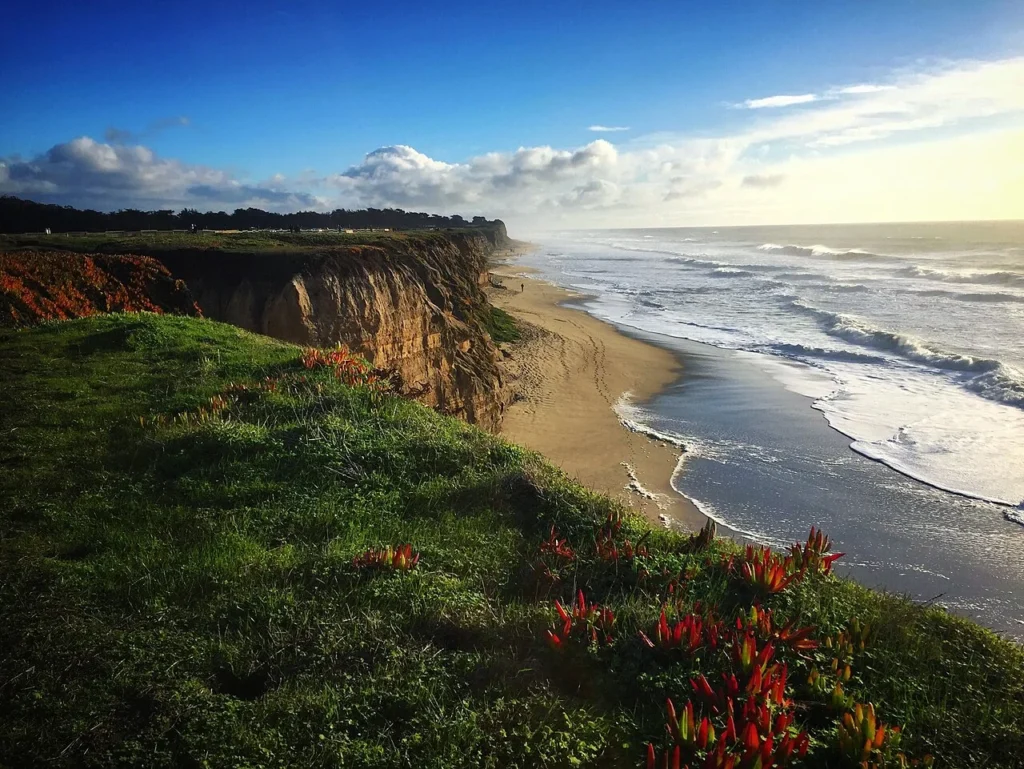
Year-Round Surf with Winter Punch
California offers surf on demand through much of the year thanks to its vast Pacific exposure, but the best waves typically roll in during winter (December through March), driven by strong North Pacific swells.
Spots like Mavericks near Half Moon Bay can see massive storm-driven swells, sometimes exceeding 60 feet, which attract only the most experienced big-wave riders.
Summer may bring smaller but more consistent and user-friendly surf, particularly closer to Southern California beaches like Malibu or San Diego, making it a good season for intermediate riders.
Central and South America
Year-Round Waves with Seasonal Peaks
Many surf towns in Central and South America offer surf throughout the year, but peak times vary by region.
Costa Rica & Nicaragua

Costa Rica and Nicaragua benefit from a mix of swells from the Pacific and the Caribbean.
While both are technically year-round surf destinations, the prime time to surf Costa Rica and Nicaragua is during the Pacific high season, roughly May through October, when consistent swells roll in from the Southern Hemisphere.
This period often overlaps with the rainy season, but surf quality is high, and waves tend to be more consistent and powerful.
Brazil
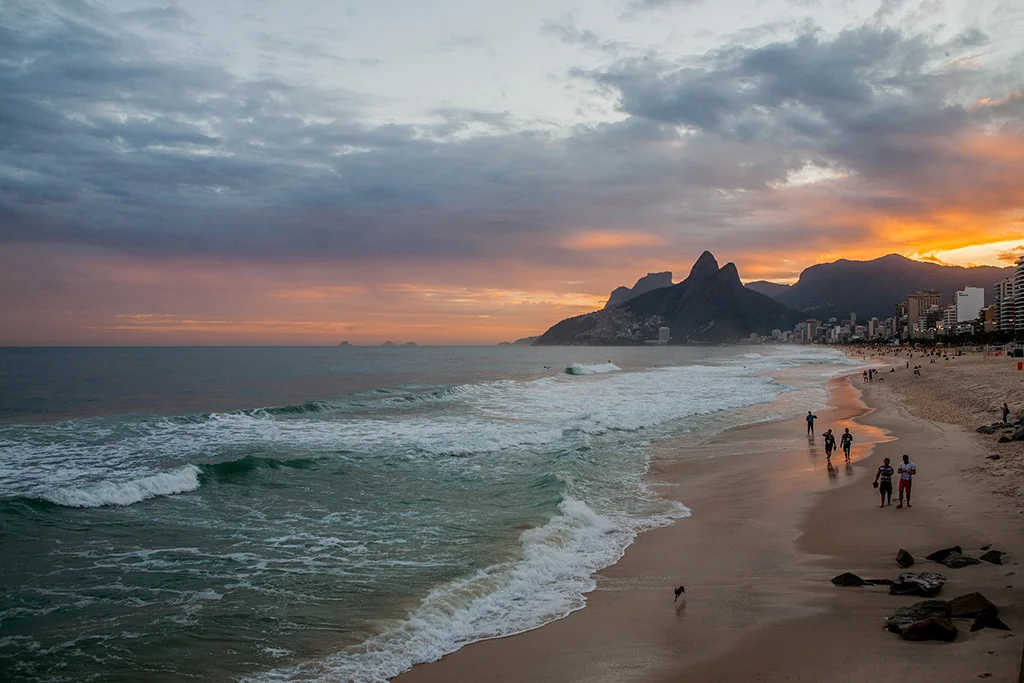
Brazil also enjoys year-round surf, with its southern beaches (e.g., Florianópolis and Rio de Janeiro) seeing particularly good conditions between April and September, while its northern surf zones often peak from November to March.
Combined with warm water and lively surf culture, these conditions make Brazil a versatile surf destination in 2026.
Oceania- The Southern Hemisphere Surf Machine
Australia
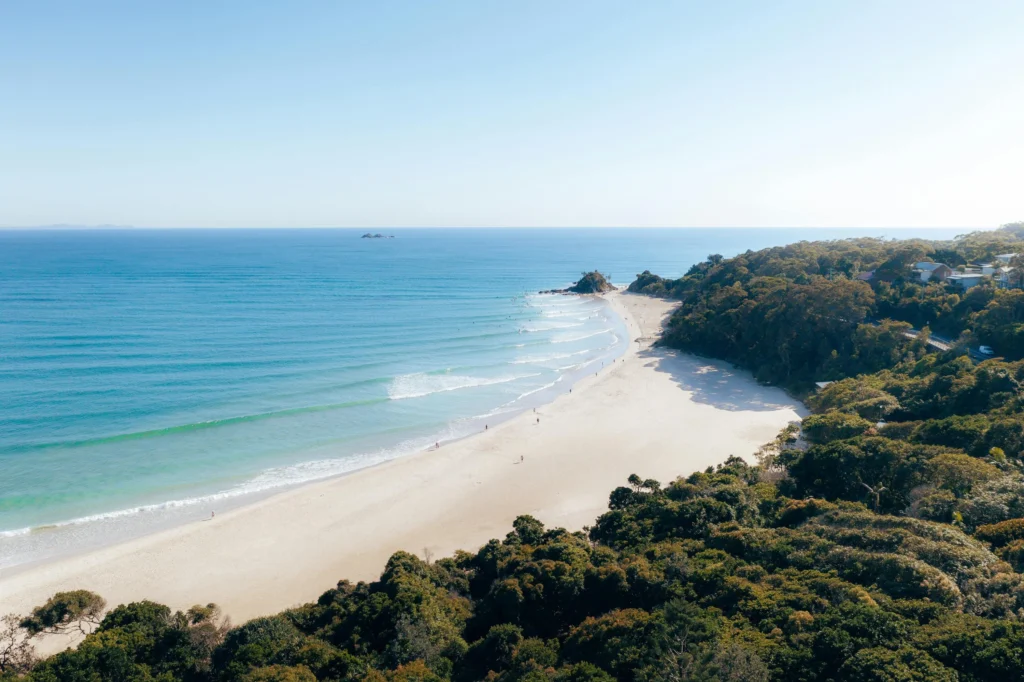
Australia’s surf offerings are arguably among the most diverse in the world.
The East Coast, including hotspots like the Gold Coast, Snapper Rocks, and Byron Bay, enters excellent conditions from March through May, transitioning into a period of big autumn swells between June and September.
Western Australia’s Margaret River also peaks in the southern winter (June–September), offering powerful and consistent reef breaks that appeal to advanced surfers.
New Zealand
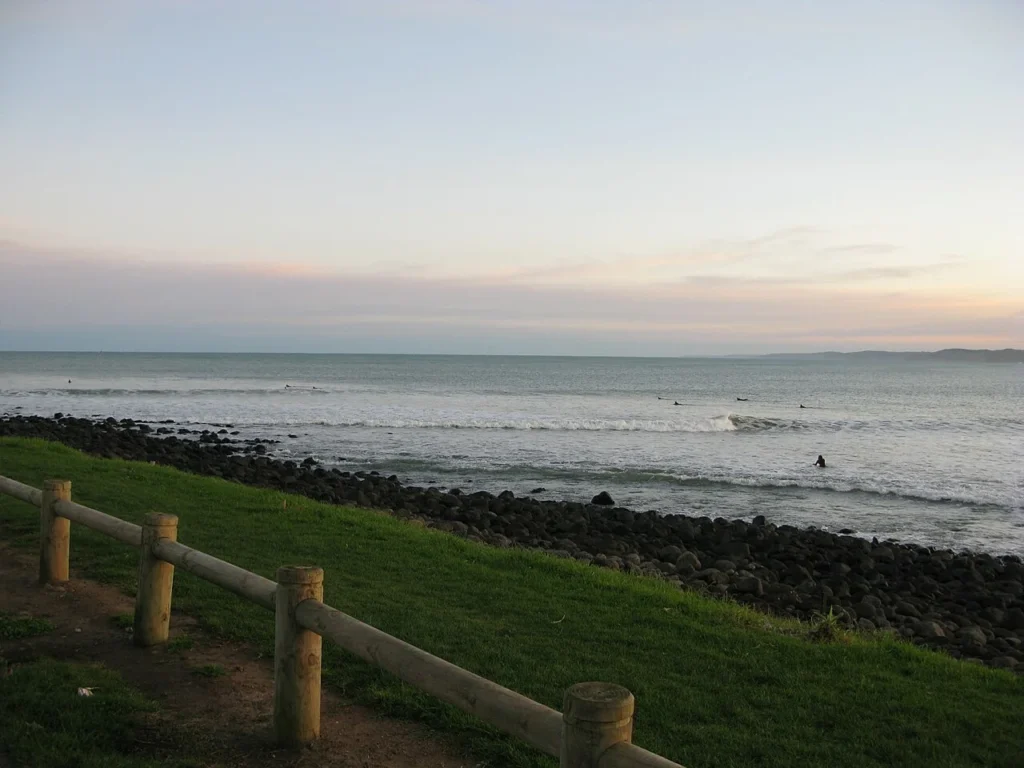
Raglan and other New Zealand west coast spots enjoy good surf in late autumn and winter months (April–September), when the Southern Ocean’s swells are most active.
Fiji & Tahiti
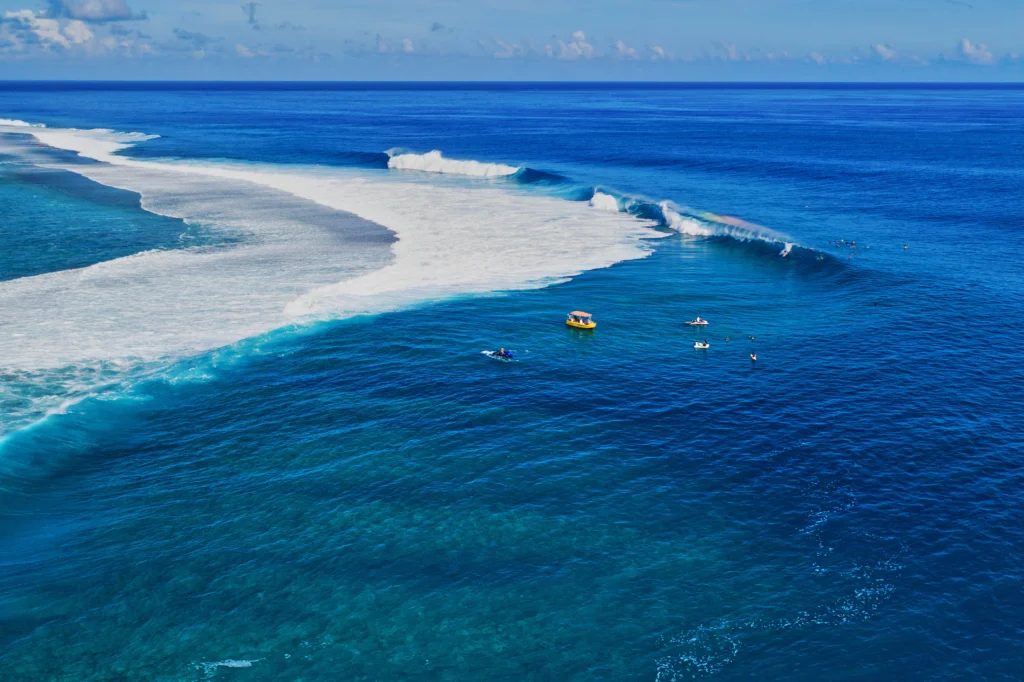
The Pacific islands of Fiji and Tahiti are perennial surf paradises. Fiji’s Cloudbreak and Tahiti’s Teahupo’o see prime conditions from April through October, when large, clean swells bring perfect barrels, a favorite for both pros and skilled surfers.
Asia – Tropical Swells and Dry-Season Magic
Indonesia:
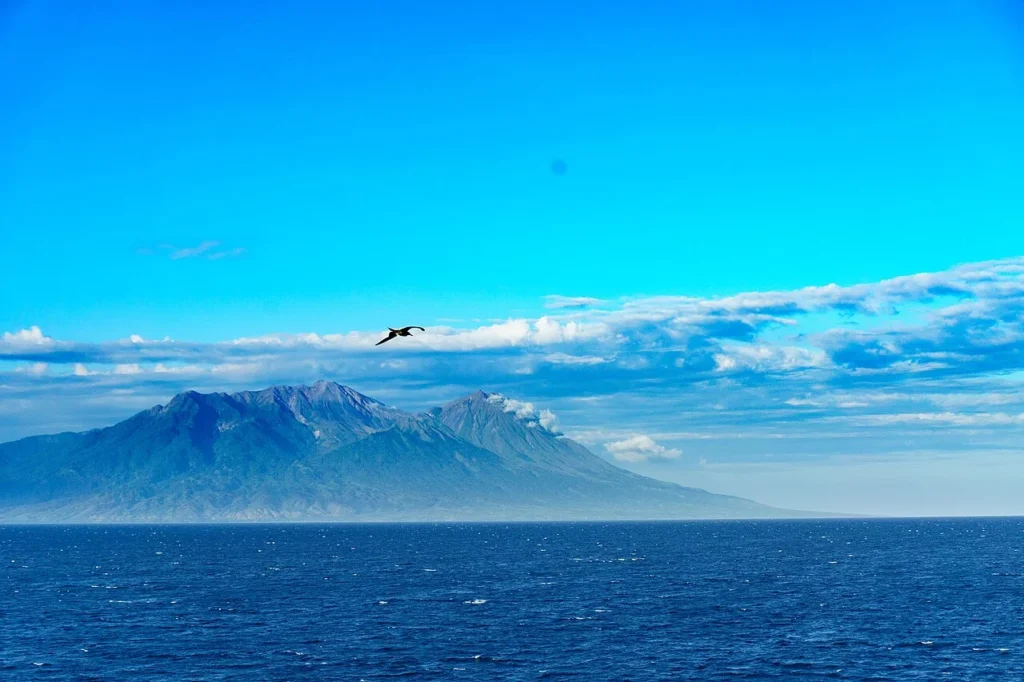
Surf Capital of the Tropics
Indonesia remains an epicenter of global surf culture.
Epics breaks in Bali, the Mentawai Islands, Sumbawa, and beyond ride the Indian Ocean swells from April through October. During this “dry season,” offshore winds and consistent swells shape world-class waves that surfers chase year after year.
This is also an ideal period for surf trips combining waves with tropical weather and local culture.
Sri Lanka
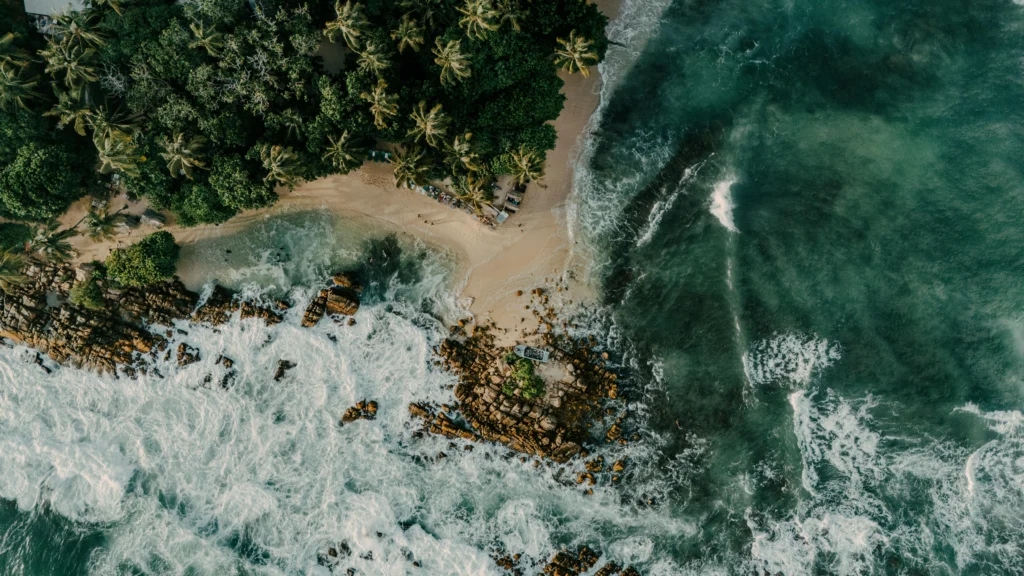
Sri Lanka’s surf season varies by coast: the west and south coasts peak from November to March, while the east coast sees its best conditions from April through October.
This dual rhythm allows surfers to plan around two distinct seasons on one island.
Philippines

While the Philippines offers surf year-round, some of the best conditions are seen from December through April, especially in places like Siargao, which draws surfers from all levels.
Europe – Autumn Swells and Year-Round Options
Portugal & Western Europe
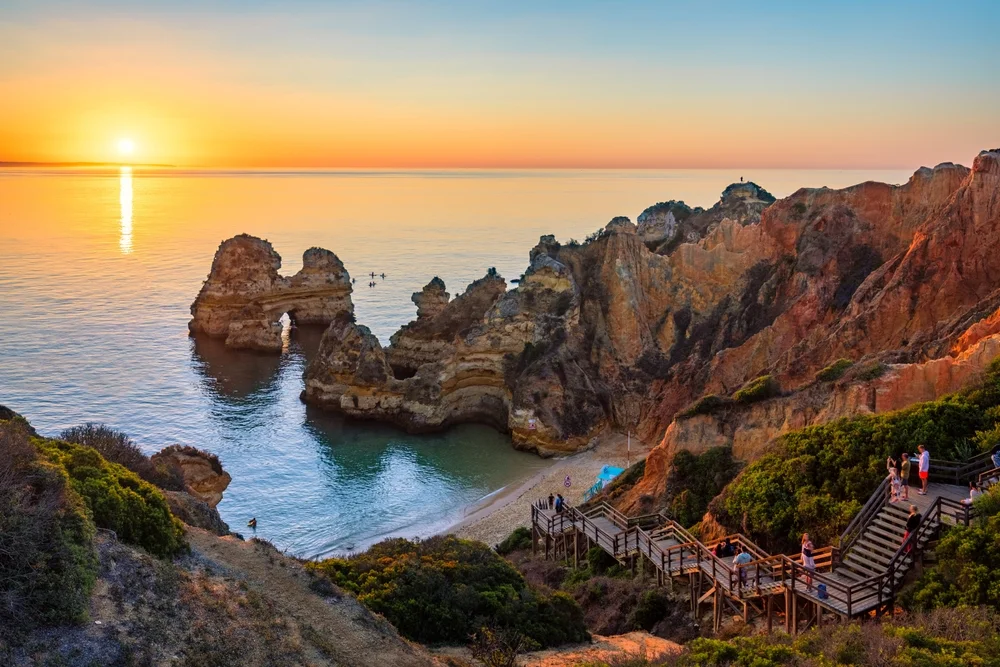
Europe’s Atlantic coast lights up with surf starting in September and extending through April, fueled by North Atlantic storm systems that deliver consistent swell and powerful beach and reef breaks.
Portugal, in particular, remains a favorite, from Bombora-friendly Peniche to the world-renowned big waves of Nazaré in winter (October–March), while the Algarve and Ericeira offer rideable, scenic points with less crowd pressure.
France & Spain
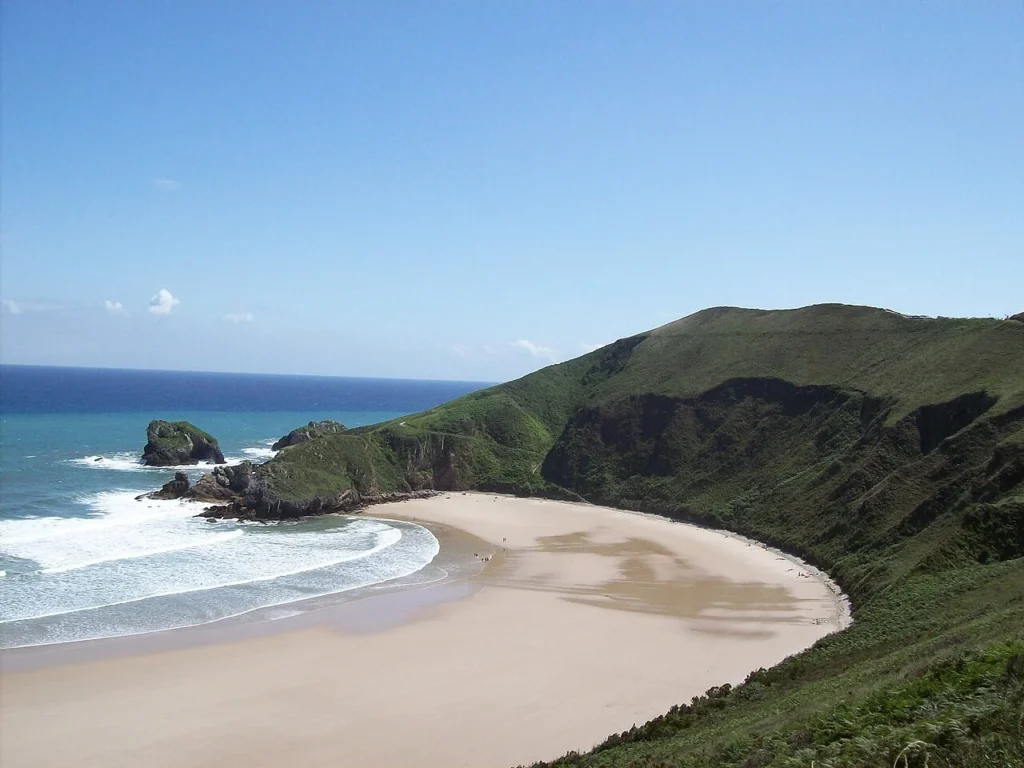
Both countries enjoy similar Atlantic-driven seasons.
France’s famed Hossegor hosts autumn swells that can attract competitive and advanced surfers, while Spain’s northern coasts (Asturias, Basque Country) deliver long seasonal runs through fall and early winter.
Africa – South Atlantic Energy and Exotic Swells
Jeffreys Bay, South Africa
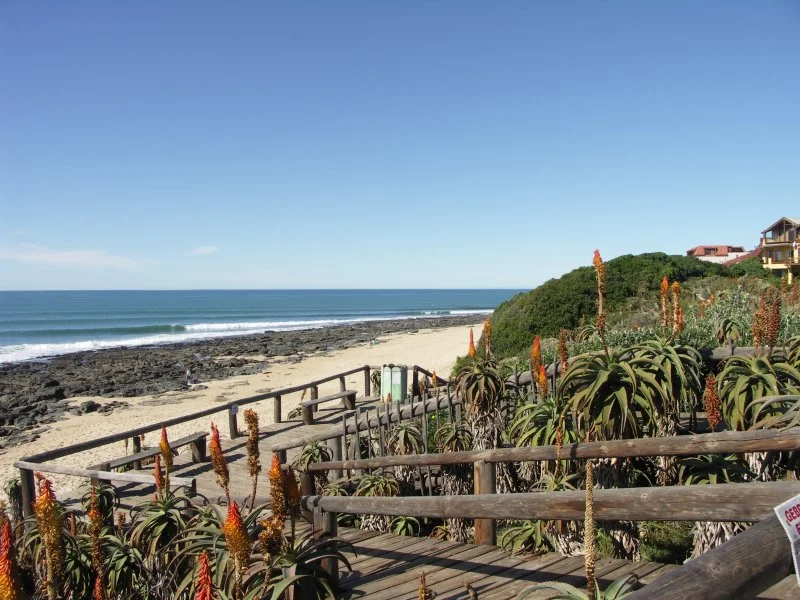
Jeffreys Bay is legendary for its long, perfect right-hand point breaks and consistent surf between May and September, aligning with the Southern Hemisphere winter swells.
This timing makes it a prime destination for surfers seeking iconic waves in the latter half of the year.
Morocco & Canary Islands
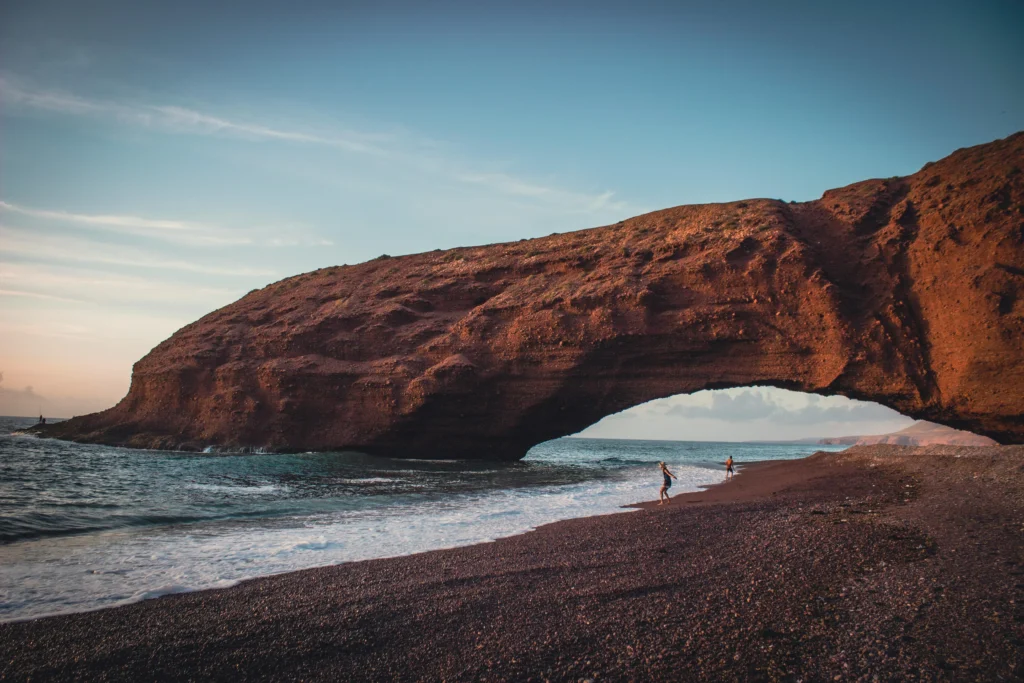
Morocco and the Canaries offer strong winter swell options.
The surf season in the Canaries peaks between October and February, while Morocco’s Atlantic coast lights up from September through April, offering wetsuit-mandated but powerful rides.
North America – Atlantic & Gulf Options
East Coast (USA & Caribbean)

Surf on the U.S. East Coast varies, but coastal storms in the fall and winter bring stronger swells and bigger surf from October through February along beaches from New Jersey to Florida, and even down into the Caribbean.
Local conditions and cold weather mean seasonal planning and proper gear are essential.
Mexico

On Mexico’s Pacific side, prime surf is typically seen from June through September, with warm water and consistent energy drawing surfers from around the world, while the Gulf and Caribbean coasts offer gentler but rideable waves almost year-round.
Surf Seasons by Skill Level
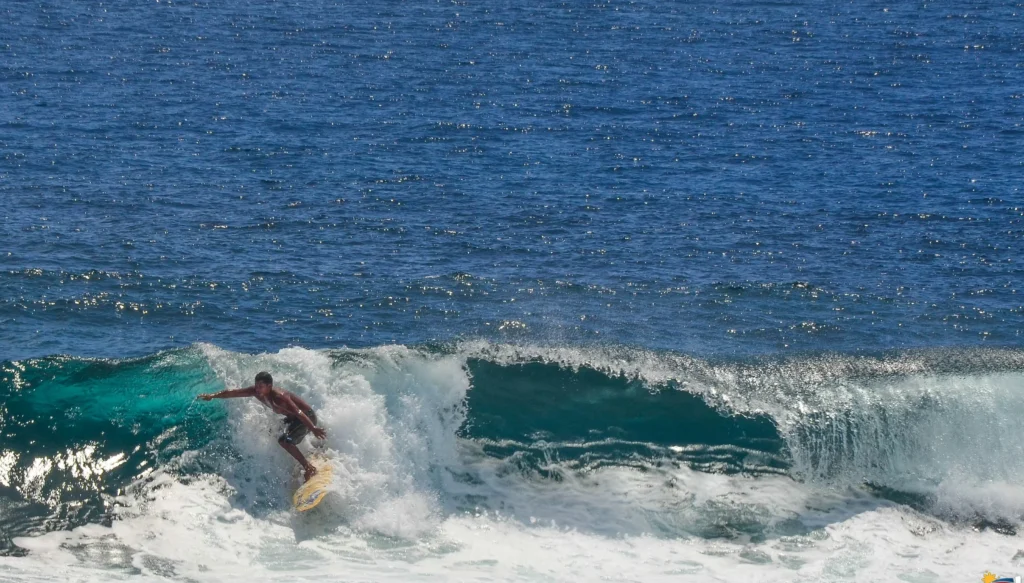
Not all “peak” surf seasons are ideal for everyone.
Best Surf Seasons for Beginners
Beginners benefit from smaller, more forgiving waves, even if they’re less dramatic.
- Bali (Indonesia): November to March on the east coast
- Sri Lanka (South/West Coast): November to March
- Portugal (Peniche & Algarve): May to September
- Southern California: June to August
- Philippines (Siargao): February to April (outside typhoon peak)
These months offer:
- Softer swell energy
- More beach breaks than reef breaks
- Better learning conditions and surf schools
Best Surf Seasons for Intermediate Surfers
Intermediate surfers want consistency without extreme danger.
- Costa Rica & Nicaragua: May to October
- Australia East Coast: March to May
- Mexico Pacific Coast: June to September
- Morocco: September to November
These seasons balance power, shape, and rideability.
Best Surf Seasons for Advanced & Big-Wave Surfers
These are the headline-making months.
- Hawaii (North Shore): November to February
- Nazaré, Portugal: October to March
- Tahiti (Teahupo’o): May to August
- Mavericks, California: December to March
- Jeffreys Bay: June to August
These windows are not beginner-friendly and require experience, fitness, and safety awareness.
Surf Calendar for 2026
Here’s a high-level view of when waves tend to peak in key global regions:
January–March
- Hawaii winter swells peak
- European autumn swells continue
- Philippines ripe for tropical surf
April–June
- Indonesia and Sri Lanka (east coast) pick up
- Early summer surf in California
- Beginning of Australian surf seasons
July–September
- Strong Pacific and Indian Ocean swells (Indonesia, Fiji, Tahiti)
- Africa’s J-Bay and Brazil’s southern beaches
- Central America’s Pacific coast prime
October–December
- European Atlantic swells return
- Morocco and Canary Islands ramp up
- Hawaii enters big winter season again
Wind Patterns: Why Swell Alone Isn’t Enough
A destination can have massive swell and still be unsurfable.
Offshore winds (blowing from land to sea) groom waves and hold them open.
Onshore winds (sea to land) destroy wave shape.
Examples:
- Indonesia dry season (April–October): Consistent offshore winds = world-class surf
- Europe autumn: Frequent offshore winds after cold fronts
- Caribbean winter: Trade winds can make or break daily conditions
Smart surfers don’t just track swell, they track wind forecasts daily.
Tides and Moon Cycles
Many iconic breaks only work on specific tides:
- Reef breaks: Often best on mid to high tide
- Beach breaks: Can favor low to mid tide
- Point breaks: More forgiving across tide ranges
Spring tides (full & new moons) can dramatically change wave shape and intensity.
Advanced surfers plan sessions around tide + swell + wind, not just season.
Crowds: The Hidden Cost of “Peak Season”

Peak surf season ≠ best experience for everyone.
- Hawaii winter = world-class waves + extreme crowds
- Bali dry season = perfect waves + packed lineups
- Europe autumn = fewer crowds + colder water
Shoulder seasons often deliver:
- Slightly smaller waves
- Fewer surfers
- More relaxed lineups
- Lower accommodation costs
This is a key insight many surf guides ignore, yours shouldn’t.
Water Temperature & Wetsuit Planning
Surf season also determines what you wear, not just where you go.
- Tropics: Boardshorts or rash guard year-round
- Europe winter: 4/3 to 5/4 wetsuits + boots
- California winter: 4/3 with hood
- South Africa winter: 3/2 to 4/3 depending on coast
Ignoring water temperature is a common planning mistake.
Climate Change: How Surf Seasons Are Shifting
This is a 2026-level update most older articles don’t include.
- Storm tracks are becoming less predictable
- Swell intensity is increasing in some regions
- Traditional “peak months” are shifting by weeks
- El Niño and La Niña cycles now impact surf more frequently
What this means:
- Flexibility matters more than fixed dates
- Long travel windows outperform rigid itineraries
- Surf forecasting tools are now essential
Regional Safety Considerations
Peak surf often equals higher risk.
- Reef cuts: Indonesia, Fiji, Tahiti
- Strong currents: Hawaii, Portugal, South Africa
- Cold water shock: Europe & California winter
- Marine life: Seasonal shark activity varies by region
High-quality surf guides don’t just inspire, they inform responsibly.
How to Plan Your 2026 Surf Trip
Planning isn’t just about timing, it’s about understanding what you want from your surf experience:
Skill level: Gentle beach breaks vs. hollow reef barrels
Crowds vs. solitude: High seasons draw big crowds, off-peak offers peace
Weather: Tropical vs. temperate climates
Travel logistics: Flight access and visa requirements
Following the season calendar lets you travel smarter and score the waves you came for without unpleasant surprises.
Final Takeaway
Surfing isn’t a one-season sport; it’s a global one. By learning the surf season rhythms around the planet, from Hawaii’s winter giants to Indonesia’s tropical swells and Europe’s autumn barrels, surfers of all levels can build an unforgettable 2026 surf year.
Whether chasing perfect barrels, mellow rides, or swells off the beaten path, the world’s oceans have rideable waves waiting for you… year-round.
Stay tuned with us. Further, follow us on social media for the latest updates.
Join us on X, Instagram for the Latest Travel related updates.