
Not all tropical beaches follow the same rhythm. While palm trees, turquoise water, and warm sand may look similar in photos, the best beach season worldwide varies dramatically depending on geography, wind patterns, monsoons, hurricanes, and ocean currents.
That’s why travelers often return from one destination raving about perfect weather, while another comes back disappointed, even though both trips were to “tropical beaches.”
This in-depth guide compares the beach seasons of the world’s most popular tropical destinations, including the Caribbean, Hawaii, Maldives, Bali, Seychelles, Mauritius, and a few overlooked alternatives.
Instead of vague “best time to visit” advice, this article explains how each destination behaves across the year, so you can choose the right beach for the right season.
How to Read This Comparison

Instead of labeling destinations as simply “good” or “bad,” this guide evaluates each region across five critical beach factors:
- Weather comfort (rain, humidity, heat)
- Sea conditions (waves, currents, clarity)
- Activity suitability (snorkeling, surfing, swimming)
- Crowds & pricing
- Seasonal risks (storms, monsoons, cyclones)
This is the information most beach guides leave out and why travelers sometimes feel disappointed despite good weather.
Why Beach Seasons Matter More Than You Think
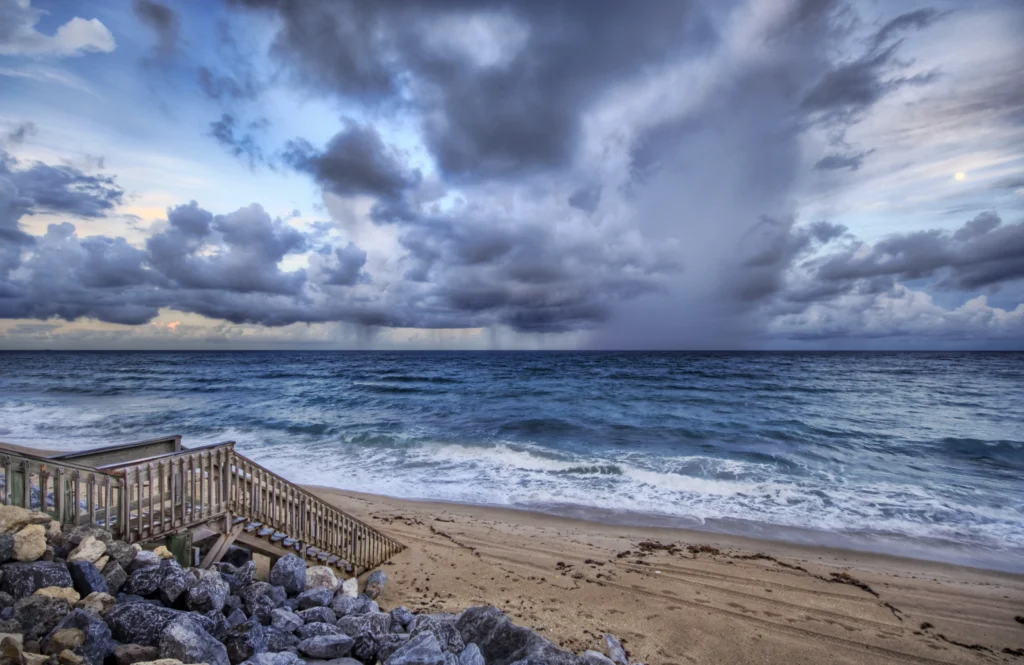
A beach trip isn’t just about sunshine. Seasonality affects:
- Ocean clarity for snorkeling and diving
- Wave size for surfing or calm swimming
- Humidity levels and comfort
- Crowd density and pricing
- Wildlife sightings (whales, turtles, manta rays)
- Risk of storms, monsoons, or hurricanes
Understanding beach seasons lets you match your travel style to the destination, not the other way around.
Caribbean Beach Seasons:

Classic but Seasonal
The Caribbean is one of the most famous beach regions in the world, but it also has one of the most misunderstood seasons.
Best Beach Season: December to April
This is the Caribbean’s dry season and peak travel period.
- Warm days, low humidity
- Calm seas ideal for swimming and snorkeling
- Minimal rainfall
It’s perfect for travelers wanting postcard-perfect beach weather, but it’s also the most expensive and crowded time.
Shoulder Season: May & November
- Still warm and sunny
- Short, passing showers
- Fewer crowds and better prices
These months are often the best value for experienced travelers.
Risk Season: June to October
This overlaps with Atlantic hurricane season.
- August to October carries the highest risk
- Weather can be beautiful or unpredictable
- Travel insurance becomes essential
Important nuance: Not all Caribbean islands are equally affected. Aruba, Curaçao, and Bonaire sit outside the main hurricane belt and are safer summer options.
Best for: Winter escapes, first-time beach travelers
Worst for: Those needing predictable summer travel without insurance
Hawaii Beach Seasons:
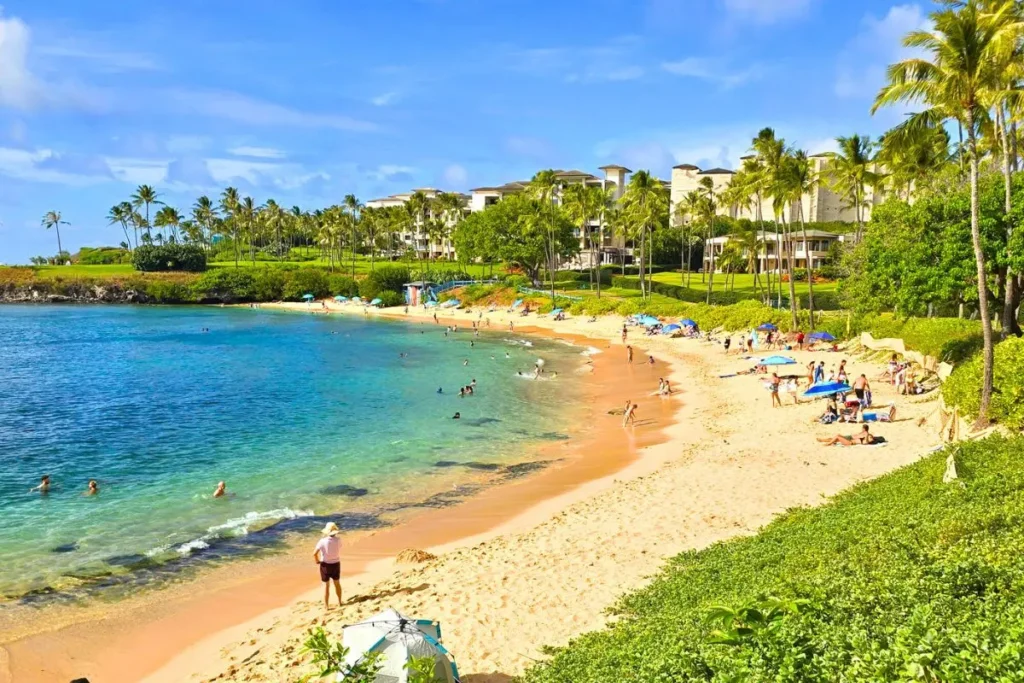
Reliable Year-Round, With a Twist
Hawaii stands out because it doesn’t have monsoons or hurricanes in the same way other tropical destinations do.
Best Overall Beach Months: April to October
- Calm waters on most beaches
- Ideal for swimming, snorkeling, and paddleboarding
- Long daylight hours
This period is particularly great for families and relaxed beach travelers.
Winter Months: November to March
- Still warm and sunny
- North Shore surf becomes world-class but dangerous
- South shore beaches remain calmer
This is peak whale-watching season, especially from January to March.
Hawaii’s Advantage
Even in its “off” months, Hawaii rarely delivers bad beach weather, it simply changes personalities, shifting from calm swimming to dramatic surf.
Best for: Year-round flexibility, mixed interests
Worst for: Travelers expecting uniform beach conditions everywhere
Maldives Beach Seasons:
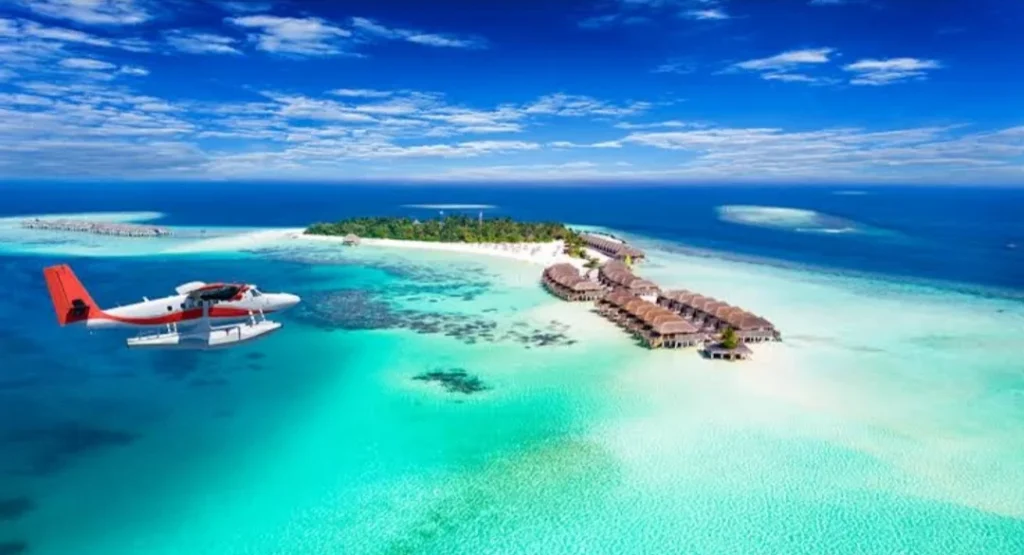
Lagoon Perfection with Subtle Shifts
The Maldives is often described as “perfect year-round,” and while that’s mostly true, seasonal differences matter for specific activities.
Best Beach & Lagoon Season: January to April
- Bright sunshine
- Low humidity
- Glass-clear lagoons
- Excellent visibility for snorkeling and diving
This is peak season and also the most expensive.
Transition & Monsoon Season: May to October
- More cloud cover and short rain showers
- Stronger winds (great for kitesurfing)
- Manta ray sightings increase due to plankton
Unlike other destinations, the Maldives rarely experiences full-day rain. Even in wetter months, beach time is still very possible.
Clearer skies vs richer marine life, you rarely get both at once.
Best for: Luxury travelers, snorkelers, divers
Worst for: Travelers expecting identical conditions year-round
Bali Beach Seasons:

Two Coasts, Two Experiences
Bali’s beach seasons are defined by monsoon winds, and choosing the wrong coast at the wrong time can impact your experience.
Dry Season: April to October
- Best overall beach weather
- Calm seas on the east coast (Nusa Dua, Sanur)
- Ideal for snorkeling, swimming, and beach clubs
This is peak season, especially July and August.
Wet Season: November to March
- Higher humidity and tropical downpours
- West coast beaches may experience debris wash-up
- Surfing remains excellent
Savvy travelers still enjoy Bali in wet season by choosing protected beaches or inland resorts and timing beach visits between showers.
Expert tip: East coast beaches (Sanur, Nusa Dua) stay calmer year-round.
Best for: Culture + beach travelers
Worst for: Those expecting pristine beaches without planning
Seychelles Beach Seasons:
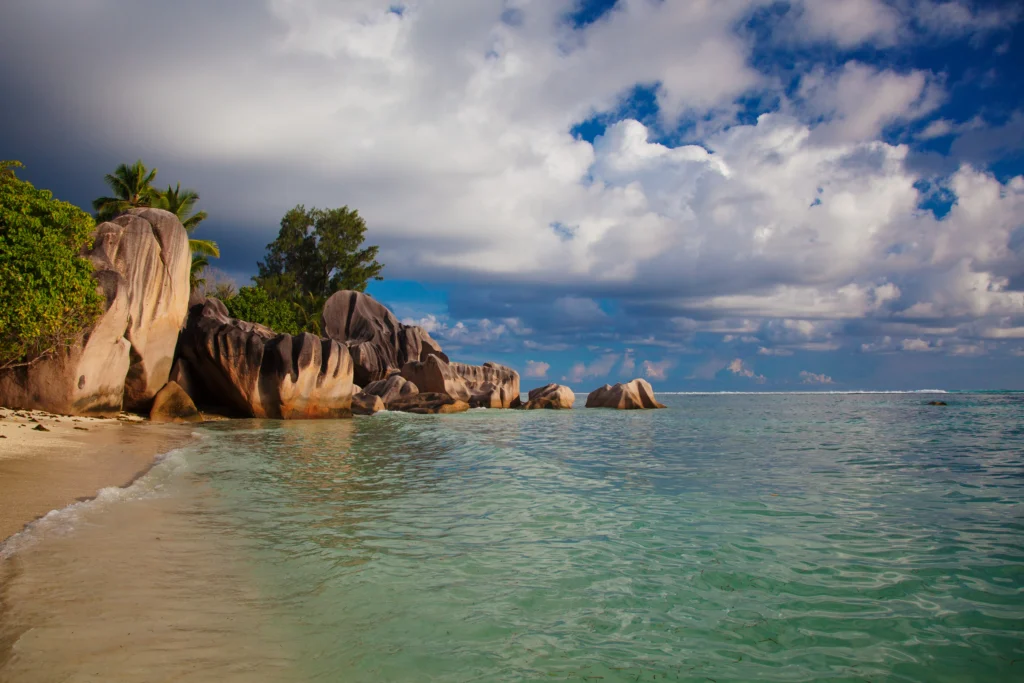
Subtle, Sophisticated, Seasonal
Seychelles doesn’t follow traditional wet/dry seasons. Instead, it’s shaped by trade winds, which influence sea conditions more than rainfall.
Best Beach Months: April, May, October, November
These transitional months are Seychelles’ sweet spot.
- Calm seas
- Excellent visibility for snorkeling
- Comfortable humidity
Trade Wind Seasons
- May to September: Southeast trade winds bring breezes and waves (good for surfing and sailing)
- December to March: Warmer, more humid, occasional rain
Seychelles rewards travelers who time their visit carefully, the right month makes a huge difference.
Best for: Nature lovers, snorkelers
Worst for: Travelers who don’t want to plan beach choice by wind
Mauritius Beach Seasons:

Structured and Predictable
Mauritius offers one of the most predictable beach climates among tropical islands.
Best Beach Season: May to November
- Cooler, drier weather
- Lower humidity
- Calm lagoon conditions
This is ideal for swimming, snorkeling, and active travelers.
Summer Months: December to April
- Hotter and more humid
- Short tropical rains
- Cyclone risk peaks from January to March
Unlike the Caribbean, cyclones here are less frequent but more intense, making season choice important.
Best for: Relaxed resort holidays
Worst for: Summer travelers avoiding humidity
How These Destinations Compare
| Destination | Best Beach Months | Weather Risks | Ideal For |
|---|---|---|---|
| Caribbean | Dec–Apr | Hurricanes (Aug–Oct) | Winter sun seekers |
| Hawaii | Apr–Oct | Large winter surf | Year-round travel |
| Maldives | Jan–Apr | Minimal | Luxury lagoon lovers |
| Bali | Apr–Oct | Monsoon rains | Culture + beaches |
| Seychelles | Apr–May, Oct–Nov | Trade winds | Snorkeling & nature |
| Mauritius | May–Nov | Cyclones (Jan–Mar) | Calm lagoons |
Rule of thumb: Shoulder seasons deliver 80–90% of the experience at 60–70% of the cost.
Lesser-Known Tropical Alternatives
Zanzibar (Tanzania)
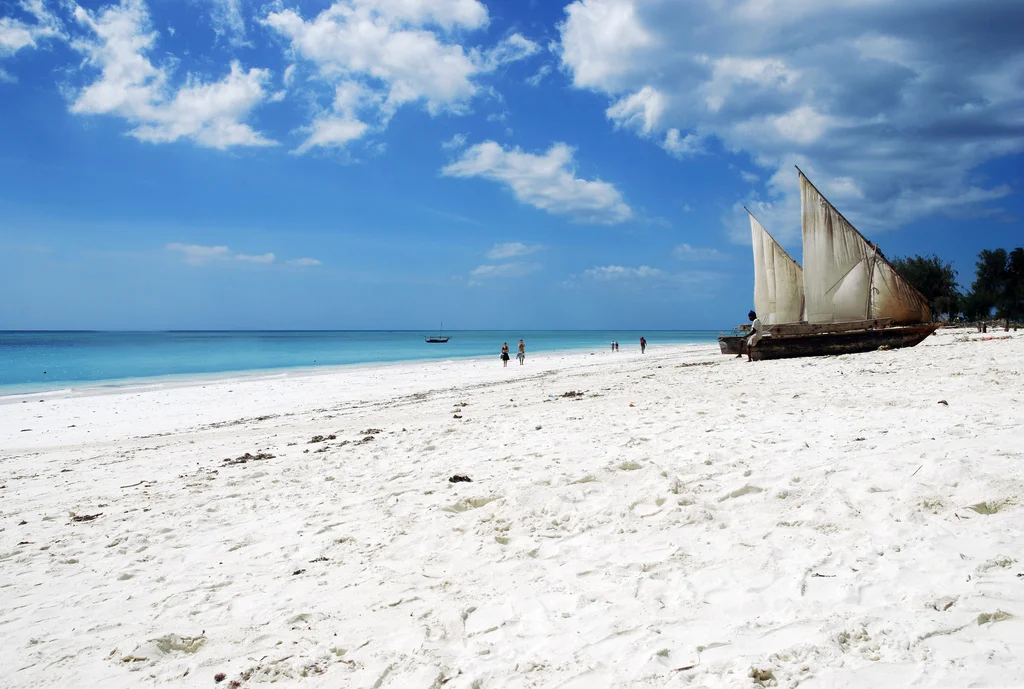
- Best: June to October
- Combines beaches with safari travel
- Clear waters and cultural depth
Fiji

- Best: May to October
- Warm, welcoming, and less crowded than Hawaii
- Excellent coral reefs
Philippines

- Best: December to May
- Diverse beaches, islands, and marine life
- Typhoon season mid-year
Which Beach Destination Fits Your Style?
- For guaranteed sunshine: Hawaii or Maldives
- For budget travel: Caribbean shoulder season or Bali wet season
- For snorkeling: Maldives, Seychelles (transition months)
- For surfing: Bali, Hawaii (season-dependent)
- For luxury escapes: Maldives, Seychelles, Mauritius
- For adventure + beach: Zanzibar or Philippines
Climate Change
In 2026 and beyond, beach seasons are becoming less predictable:
- Shorter dry seasons
- Heavier but shorter rain events
- Warmer sea temperatures affecting coral and wildlife
This makes flexibility and destination choice more important than ever.
Final Thoughts
There’s no single best beach destination, only the best destination for the month you’re traveling.
Understanding beach seasons allows you to:
- Avoid weather disappointment
- Save money without sacrificing experience
- Match activities to ocean conditions
- Travel smarter, not just farther
Whether you’re planning a luxury island escape, a family beach holiday, or a once-in-a-lifetime tropical adventure, choosing the right season is the difference between a good trip and an unforgettable one.
Stay tuned with us. Further, follow us on social media for the latest updates.
Join us on X, Instagram for the Latest Travel related updates.