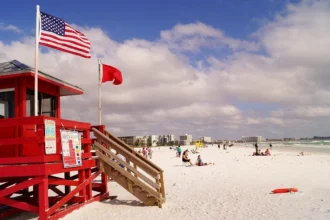

A beach vacation looks simple on the surface. Sun, sand, sea, and relaxation. In reality, beach travel comes with a unique set of risks that many travelers underestimate. From water sports injuries and sudden medical emergencies to weather disruptions, lost equipment, and expensive evacuations from remote islands, beach travel insurance is not optional anymore. It is essential.
Why beach travel insurance is different from regular travel insurance

Beach destinations involve risks that city trips or mountain holidays do not. Water activities, remote coastal locations, and unpredictable weather make insurance needs very specific.
Common beach-related risks include:
- Injuries while swimming, snorkeling, surfing, or diving
- Accidents involving jet skis, boats, scooters, or beach buggies
- Medical emergencies in destinations with limited healthcare facilities
- Expensive medical evacuation from islands or coastal regions
- Trip cancellations due to cyclones, hurricanes, or storms
- Loss or damage of high-value gear like cameras, dive equipment, and drones
Standard travel insurance often excludes or limits these scenarios. Beach travel insurance fills those gaps.
Core coverage every beach traveler must have

Emergency medical coverage
This is the foundation of any travel insurance policy. Beach travelers should always choose high medical limits because injuries involving water sports can be serious and treatment abroad is costly.
What to look for:
- Hospitalization and emergency treatment
- Doctor visits and diagnostic tests
- Prescription medication
- Coverage valid near oceans, islands, and coastal areas
For beach and water activity travel, higher medical limits are always safer than minimum plans.
Medical evacuation and repatriation

This is the most overlooked yet most critical coverage for beach travel.
If you are injured on a remote island or small coastal town, the nearest hospital may not be equipped to treat you.
Medical evacuation covers transport to the nearest suitable facility or back to your home country.
Key points:
- Evacuation costs can reach extremely high amounts
- Boat transfers, helicopters, or air ambulances may be required
- Without insurance, evacuation costs are paid out of pocket
Any beach travel policy without strong evacuation cover is incomplete.
Trip cancellation and trip interruption

Beach trips are often booked months in advance and involve non-refundable flights, resorts, cruises, and tours.
This coverage reimburses prepaid expenses if:
- You fall ill or are injured before departure
- A close family emergency occurs
- Severe weather makes the destination unsafe
- You must return home early due to an emergency
For high-value beach vacations, this benefit protects your financial investment.
Baggage and personal belongings
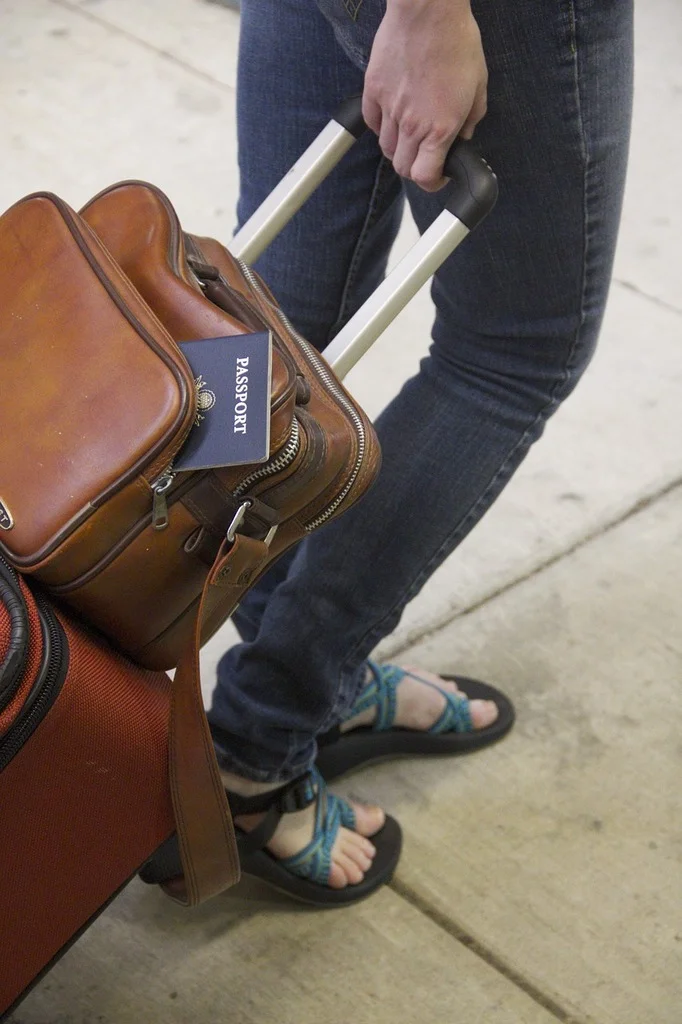
Beach travel often includes expensive personal items.
Commonly claimed items:
- Cameras and action cameras
- Mobile phones and laptops
- Snorkeling and diving equipment
- Surfboards and wetsuits
Always check:
- Total baggage coverage limit
- Single item limits
- Coverage for theft, loss, and accidental damage
If you carry valuable equipment, low baggage limits can make a policy useless.
Personal liability coverage
This protects you if you accidentally cause injury to another person or damage property.
Examples:
- Injuring someone while surfing
- Damaging rented equipment
- Causing an accident during a group excursion
Legal claims abroad can be extremely expensive, making this coverage very important.
Water sports and adventure activity coverage

This is where most travelers make mistakes.
Insurance providers classify activities into categories, and coverage depends on where the activity falls.
Usually covered
- Swimming in designated areas
- Beach walking and casual recreation
- Paddleboarding in calm waters
Covered with add-ons or upgrades
- Surfing
- Kayaking
- Scuba diving within depth limits
- Parasailing with licensed operators
Often excluded unless declared
- Jet skiing
- Free diving
- Competitive water sports
- Professional or instructional activities
Always check the activity list in the policy wording. If an activity is not listed, assume it is not covered.
Dedicated dive and surf insurance vs standard travel insurance
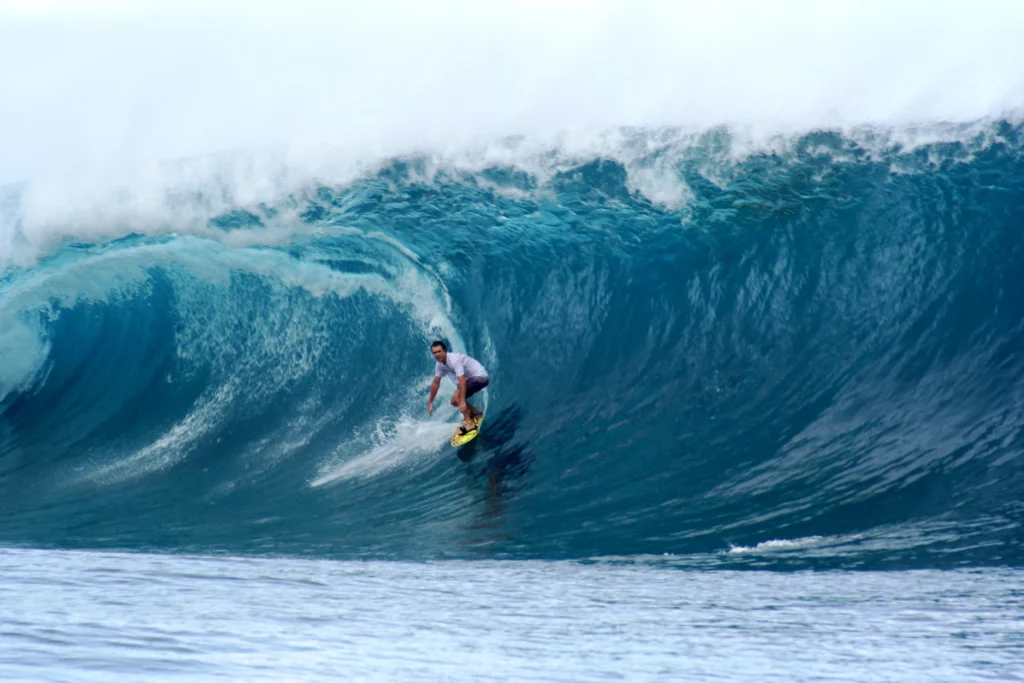
Serious divers and surfers should consider specialist insurance.
Dedicated dive or surf insurance often includes:
- Decompression sickness treatment
- Hyperbaric chamber expenses
- Dive accident evacuation
- Equipment damage or loss
Standard travel insurance usually:
- Has depth and certification limits
- Requires licensed supervision
- Excludes technical or advanced diving
If your beach trip revolves around diving or surfing, specialist coverage is often the safer option.
Parametric insurance for beach destinations
Parametric travel insurance is a newer concept that is becoming more relevant for beach travel.
Instead of reimbursing actual losses, parametric insurance pays a fixed amount when a predefined event occurs.
Examples:
- Automatic payout if a cyclone reaches a defined strength near your destination
- Compensation for flight delays beyond a set number of hours
- Weather-triggered hotel night reimbursements
Why it matters:
- Beach destinations are highly weather-sensitive
- Claims are faster and require minimal paperwork
Best used as a supplement to traditional travel insurance.
Beach travel insurance for families

Families traveling to beach destinations have unique needs.
Important features:
- Coverage for children in water parks and resort activities
- Pediatric emergency care
- Lost stroller and child equipment coverage
- Emergency accommodation if a parent is hospitalized
Common mistake:
Parents assume children are automatically covered for adventure activities. Many policies require explicit inclusion.
Family plans with higher medical limits and no co-pay for children are ideal.
Beach travel insurance for senior citizens

Senior travelers face higher medical risks, especially during beach trips involving heat, humidity, and physical activity.
What seniors should prioritize:
- Declared pre-existing condition coverage
- Cardiac and stroke-related treatment
- Higher hospitalization limits
- Clear claim procedures
Avoid:
- Policies with age-based caps on medical payouts
- Policies that exclude common chronic conditions
Senior-specific plans offer better protection even if premiums are higher.
Rental vehicles, scooters, and beach buggies
Beach destinations often rely on rented transport.
Common issues:
- Scooter accidents not covered without a valid license
- Engine capacity restrictions
- Exclusions for off-road driving
Always confirm:
- Self-drive rental coverage
- Helmet and safety gear requirements
- Collision damage waiver options
One small oversight can invalidate an entire claim.
COVID-19 and infectious disease coverage
Most modern travel insurance policies now include COVID-related benefits, but coverage varies.
Possible inclusions:
- Medical treatment during travel
- Quarantine accommodation costs
- Trip cancellation due to a positive test
Always check:
- Infectious disease exclusions
- Government travel advisory clauses
This is especially important for international beach travel.
Understanding deductibles, co-pay, and sub-limits
Many travelers misunderstand these terms.
- Deductible: The amount you pay before insurance applies
- Co-pay: The percentage you share with the insurer
- Sub-limit: The maximum payout for a specific expense
A policy with high overall limits but low sub-limits may not be as useful as it seems.
Why beach travel insurance claims get rejected
Knowing this helps prevent denial.
Common reasons:
- Non-disclosure of medical history
- Participation in excluded activities
- Alcohol-related incidents
- Delayed notification to the insurer
- Missing original documents
Prevention tips:
- Declare everything honestly
- Contact the insurer immediately during emergencies
- Keep all receipts and reports
Credit card travel insurance vs standalone travel insurance

Many travelers rely on credit card insurance without understanding its limits.
Credit card insurance often:
- Has low medical limits
- Excludes water sports
- Covers short trips only
Standalone travel insurance:
- Offers higher and customizable limits
- Covers adventure activities
- Provides dedicated assistance support
For beach travel, standalone insurance is strongly recommended.
Legal and regulatory considerations
Some destinations and operators require proof of insurance.
Examples:
- Scuba diving operators requesting insurance certificates
- Cruise lines requiring evacuation coverage
- Countries requiring medical insurance for entry
Always carry digital and printed proof of insurance.
Guide to choosing the right beach travel insurance
- List all planned activities
- Choose high medical and evacuation limits
- Verify water sports coverage
- Check baggage and equipment limits
- Review exclusions carefully
- Confirm 24/7 assistance access
- Buy the policy soon after booking
Pre-travel insurance checklist
- Policy document saved offline
- Emergency contact numbers stored
- Receipts for valuables
- Medical summaries if applicable
- Passport and visa copies
Preparation makes claims smoother.
Frequently Asked Questions
Many policies cover basic snorkeling, but depth, supervision, and location restrictions may apply.
Often no. It usually requires an add-on or specialist cover.
Yes, especially for islands and remote coastal destinations.
It is usually a small percentage of total trip cost and far cheaper than paying for emergencies yourself.
Final thoughts
Beach travel insurance is not about fear. It is about freedom. The right policy allows you to swim, explore, dive, and relax knowing that medical emergencies, cancellations, or unexpected disruptions will not ruin your finances.
A strong beach travel insurance policy includes high medical limits, explicit water sports coverage, robust evacuation benefits, and clear claim procedures. Read policy wordings carefully, avoid assumptions, and choose protection that matches how you actually travel.
With the right insurance in place, your beach vacation stays what it should be. Relaxing, memorable, and worry-free.
Stay tuned with us. Further, follow us on social media for the latest updates.
Join us on X, Instagram for the Latest Travel related updates.