

Swimming in the ocean or at a lakeside beach is one of the most enjoyable travel experiences in the world. Yet beaches are natural environments, not swimming pools, which is why choosing safe beaches for swimming matters.
Conditions change by the hour, and safety depends on awareness, preparation, and informed choices.
This in-depth guide explains exactly what makes a beach safe for swimming, how authorities assess risk, how you can evaluate a beach yourself, and how families and solo swimmers can dramatically reduce danger.
What defines a safe beach for swimming
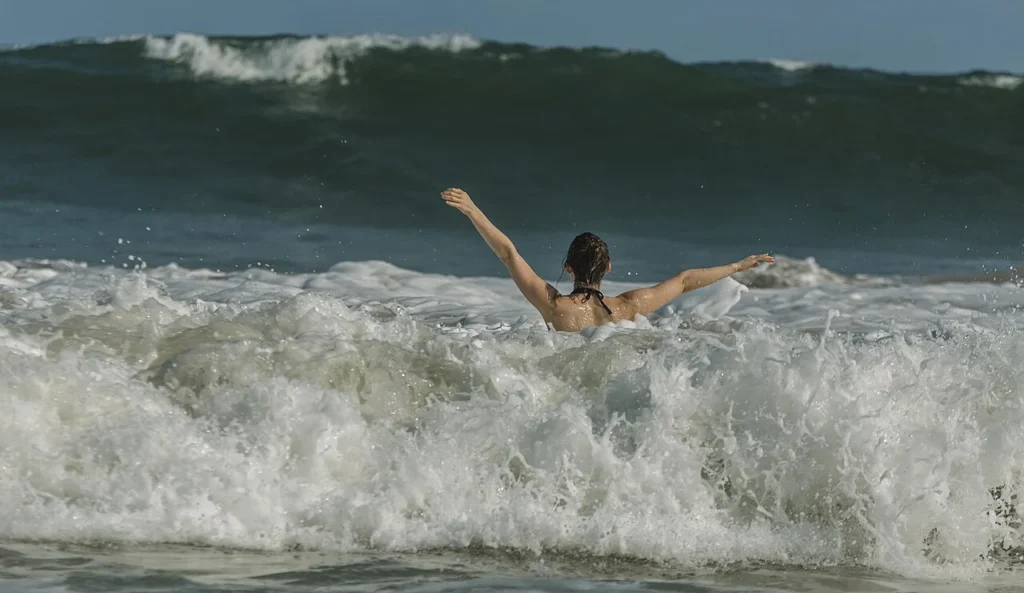
A safe beach is not defined by beauty or popularity. It is defined by risk management. There are three non-negotiable pillars of beach safety:
- Supervision by trained lifeguards
Beaches with professional lifeguards have significantly lower drowning rates. Lifeguards assess conditions daily, choose safe swimming zones, and respond immediately to emergencies. Organizations such as the Royal National Lifeboat Institution consistently advise the public to choose patrolled beaches whenever possible. - Good water quality
Safe swimming beaches are monitored for harmful bacteria and pollution. Health agencies regularly test water and issue advisories or closures when thresholds are exceeded. The World Health Organization provides global standards that many countries follow. - Manageable natural conditions
This includes minimal rip current activity, gentle seabed gradients, predictable wave patterns, and absence of seasonal hazards such as algal blooms or dangerous marine life.
A beach can meet all three criteria in the morning and fail them by afternoon. Safety is dynamic.
Lifeguarded and flagged beaches

Always the safest choice.
If there is one rule that overrides all others, it is this: swim at lifeguarded beaches and stay between the red and yellow flags.
Red and yellow flags mark the safest area to swim, selected after lifeguards analyze currents, tides, wave patterns, underwater hazards, and swimmer ability.
According to the Royal National Lifeboat Institution and Surf Life Saving authorities worldwide, the majority of rescues occur outside flagged areas.
Beach safety flags explained
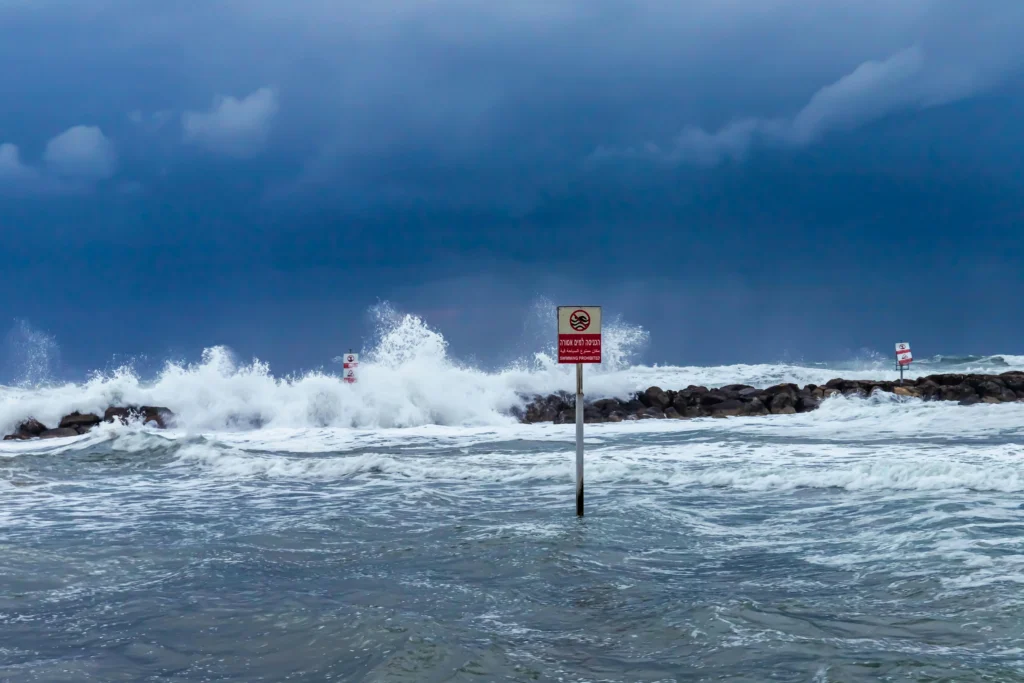
- Red and yellow flags: Safest swimming zone under lifeguard supervision
- Red flag: Dangerous conditions, swimming strongly discouraged or prohibited
- Yellow flag: Moderate hazard, caution advised
- Black and white flags: Area for boards and watercraft, not for swimming
- Purple or blue flags: Marine life hazards such as jellyfish or stingrays
Understanding flags is one of the most practical safety skills a swimmer can have.
Rip currents: the biggest danger

Rip currents are the leading cause of ocean rescues globally. They can form even on calm, sunny days.
The National Oceanic and Atmospheric Administration explains that rip currents are fast, narrow channels of water flowing away from shore.
Key facts about rip currents
- They pull swimmers away from shore, not under the water
- They can move faster than an Olympic swimmer
- Panic and exhaustion cause most drownings, not the current itself
What to do if caught in a rip current
- Stay calm and float on your back
- Do not fight the current
- Swim parallel to the shore to escape
- Signal for help by waving one arm
Swimming at a flagged, lifeguarded beach greatly reduces rip current risk because lifeguards place flags away from active rips.
How water quality determines if a beach is safe
Many people assume clear water is safe water. That is not always true.
Public health authorities test recreational water for indicator bacteria, which signal contamination from sewage or animal waste. The most common indicators are:
- Enterococcus in ocean water
- E. coli in freshwater
The Centers for Disease Control and Prevention explains that elevated levels increase the risk of gastrointestinal illness, skin infections, and ear problems.
When water quality risk is highest
- After heavy rainfall
- Near river mouths and storm drains
- During sewage overflow events
- When harmful algal blooms are present
If a beach has a posted swimming advisory, respect it even if the water looks clean.
Ocean beaches vs freshwater beaches: safety comparison
Ocean beaches
Pros
- Better dilution of contaminants
- Stronger monitoring and lifeguard presence
Cons
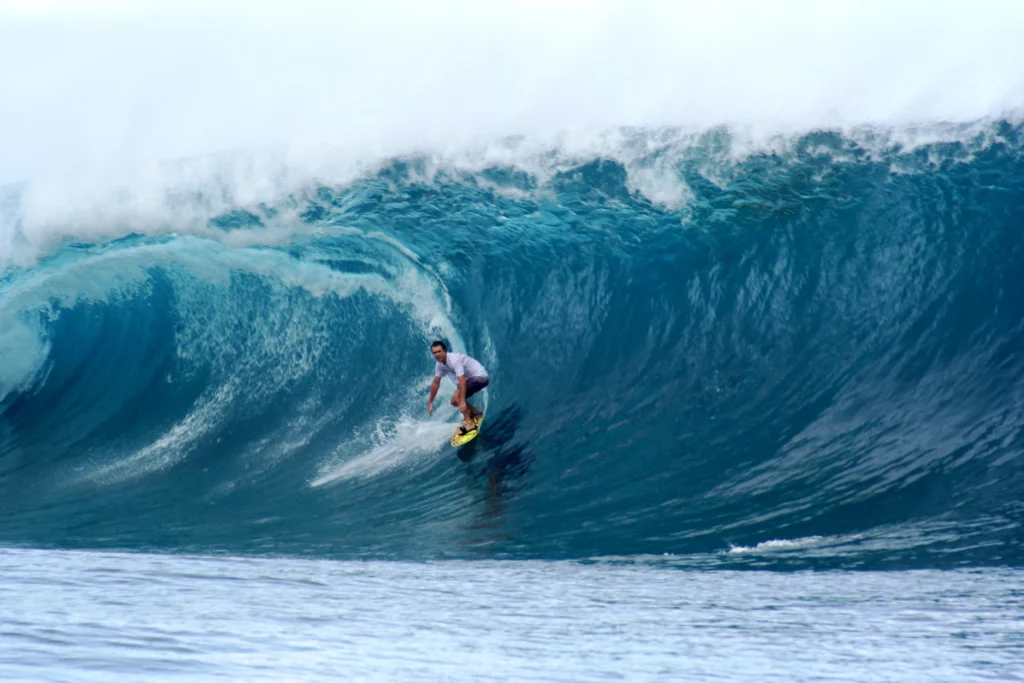
- Rip currents and waves
- Marine life hazards
Freshwater beaches

Pros
- No tides or waves
- Often calmer for children
Cons
- Bacteria persist longer
- Algal blooms are more common
- Lifeguard coverage is often limited
According to the Centers for Disease Control and Prevention, freshwater swimming is more frequently linked to illness, while ocean swimming carries higher drowning risk.
Supervision and water quality matter more than water type.
Seasonal factors that affect swimming safety
Seasonal changes can completely transform a beach.
- Monsoon and storm seasons increase rip current intensity
- Summer heat increases algal bloom risk
- Winter storms create steep shorebreaks and uneven seabeds
A beach known for calm swimming in one season may be unsafe in another. Always check seasonal patrol schedules and local advisories.
How to evaluate a beach in 3 minutes
When you arrive, do this quick assessment.
- Find the lifeguard tower and flags
No lifeguards means higher risk. Consider another beach. - Scan the water visually
Avoid swimming if you see discoloration, foam, strong shorebreaks, or debris. - Ask the lifeguard one question
“What is the main hazard today?” Their answer tells you exactly what to watch for.
If no lifeguard is present and you are unsure, do not swim.
Clothing and gear that improve swimming safety
Small choices can significantly improve safety.
- Bright colored swimwear increases visibility
- Rash guards reduce fatigue and sunburn
- Neoprene footwear protects against rocks and shells
- Properly fitted life jackets for weak swimmers
Visibility is critical during rescues, especially in waves.
Alcohol, fatigue, and swimming risk

Alcohol is involved in a significant number of drowning incidents worldwide. Even small amounts reduce judgment, coordination, and reaction time.
Avoid swimming after drinking alcohol and never supervise children while impaired.
Fatigue and dehydration also increase risk. Take breaks, hydrate frequently, and leave the water if you feel tired.
Family and child swimming safety
- Always assign a dedicated water watcher
- Rotate supervision every 15 minutes
- Use life jackets for inexperienced swimmers
- Teach children to float on their backs
- Explain flag meanings before entering the water
Never rely on inflatable toys as safety devices.
Accessibility and inclusive beach safety
Modern safe beaches increasingly provide:
- Beach wheelchairs
- Accessible paths and ramps
- Clear signage
- Trained staff for assisted entry
Accessibility features improve safety for everyone, not just people with disabilities.
When to skip swimming entirely
Do not swim if:
- Red flags or danger warnings are displayed
- There is no lifeguard present and conditions are unclear
- Recent heavy rainfall has occurred
- Algal bloom advisories are active
- You feel uncertain or uncomfortable
Choosing not to swim is always the safest option.
Emergency response basics every swimmer should know
- Know the local emergency number before entering the water
- If someone is in trouble, alert lifeguards immediately
- Use the reach or throw method rather than entering rough water
- Keep a basic first aid kit nearby
Quick communication saves lives.
Simple pre swim safety checklist
- Swim at a lifeguarded beach
- Stay between red and yellow flags
- Check water quality reports
- Observe waves and currents
- Use life jackets for weak swimmers
- Keep a charged phone nearby
Why modern beach safety is improving
Many regions now use technology such as drones, public alert systems, and real time water testing to improve swimmer safety.
Combined with education campaigns from organizations like the National Oceanic and Atmospheric Administration, these efforts have reduced incidents at well managed beaches.
Frequently Asked Questions
Q: How do I know if a beach is safe for swimming?
A beach is safe for swimming if it has lifeguards, red and yellow safety flags, clean water reports, calm conditions, and no active warnings.
Q: Are ocean beaches safe for swimming?
Ocean beaches are safe when lifeguarded and flagged. The biggest risks are rip currents, which are reduced by swimming between flags.
Q: What beach is safest for kids?
The safest beaches for kids are lifeguarded beaches with gentle slopes, calm water, clear visibility, and designated swim zones.
Final thoughts
No beach is completely risk free, but informed choices drastically reduce danger. Lifeguards, flags, water quality data, and personal awareness work together to keep swimmers safe.
Treat every beach visit as a fresh decision, not a habit, and you will enjoy the water with confidence and care.
Safe swimming is not about fear. It is about understanding the environment and respecting it.
Stay tuned with us. Further, follow us on social media for the latest updates.
Join us on X, Instagram for the Latest Travel related updates.