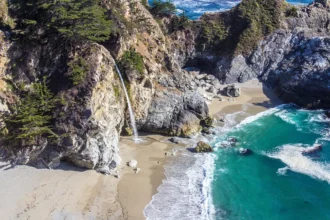

Beach hiking trails offer one of the most rewarding ways to explore coastlines.
Unlike inland hikes, these trails follow shorelines where land meets sea, combining sand walking, rocky shelves, dramatic cliffs, tidal pools, and sweeping ocean views.
What is beach hiking and how is it different from coastal hiking?
Understanding this distinction improves planning and safety.
Beach hiking
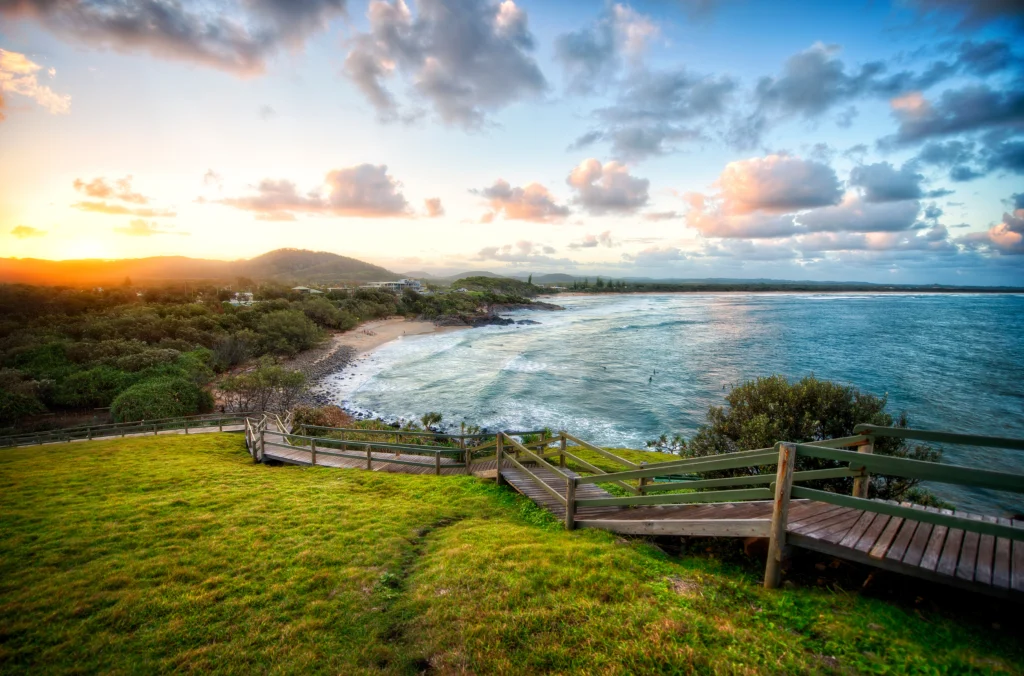
- Takes place directly on sand, pebbles, tidal flats, or rocky shorelines
- Often depends on tide timing
- Requires more energy due to soft sand and uneven surfaces
Coastal hiking
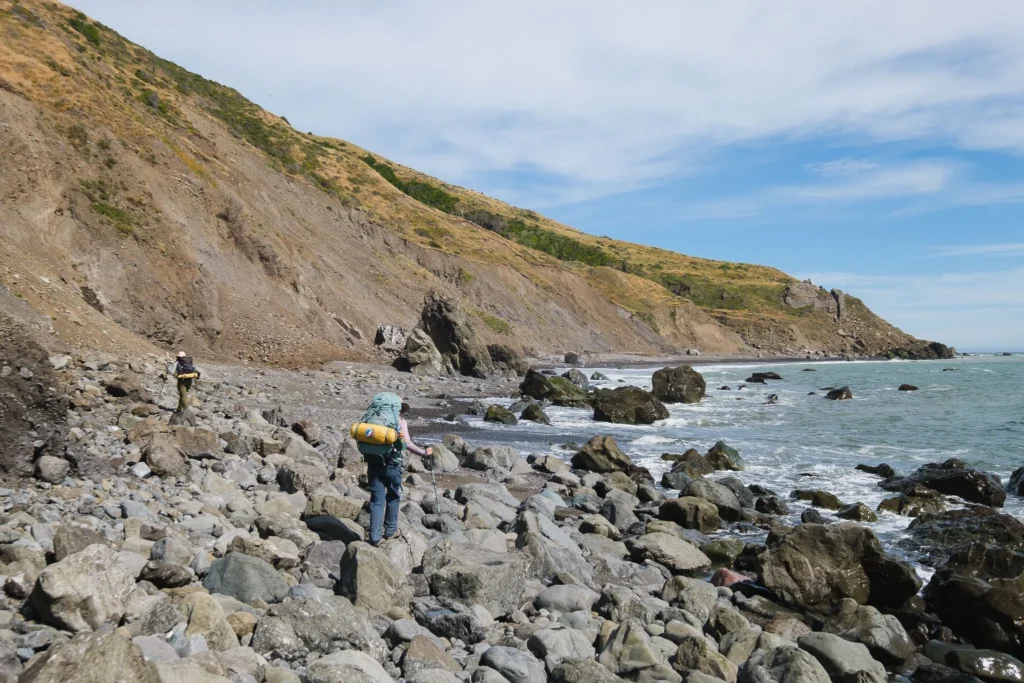
- Usually follows established paths along cliffs, headlands, or bluffs
- Less tide-dependent
- Often involves elevation gain and exposed viewpoints
Many of the world’s best routes combine both, shifting between beach sections and cliff-top trails.
Why beach hiking trails feel so special
Beach hiking engages all senses. The sound of waves replaces traffic, salty air cools the skin, seabirds replace city noise, and landscapes constantly change with the tide.
No two hours on a beach trail feel the same. Low tide reveals caves and rock platforms. High tide transforms the same coast into a narrow ribbon of sand framed by water.
This dynamic nature is what makes beach hiking powerful and why it demands better preparation than standard hikes.
Beach hiking difficulty scale
Use this scale to choose the right trail.
- Easy: Firm sand, short distance, no tide restriction
- Moderate: Mixed sand and rock, some tide awareness needed
- Challenging: Long distances on soft sand, sun exposure, limited exits
- Expert: Tidal choke points, cliff exposure, remote access, slow rescue
Understanding tides in plain language
Tides determine whether many beach hiking trails are safe or impossible.
- Low tide exposes sandbars, rock shelves, caves, and headlands
- High tide can block routes entirely
- Spring tides occur during full and new moons and create the largest tidal swings
- Neap tides are milder and better for beginners
Golden rule: if a section is marked “low tide only,” start earlier than planned and turn back sooner than you think you need to.
Essential safety rules for beach hiking
Beach hiking safety is not optional. Conditions change fast.
- Always check local tide tables for your exact location and date
- Watch for rip currents and never swim across strong channels
- Avoid walking too close to unstable cliff edges or beneath eroding cliffs
- Rogue waves can reach far beyond the normal surf line
- Tell someone your route and return time
- Carry a whistle, headlamp, and offline maps
Emergency response along coasts is often slower than inland areas due to wind, fog, and access limits.
Footwear guide for beach hiking
This is one of the biggest mistakes hikers make
Choose footwear based on terrain.
Best options
- Soft sand: lightweight trail runners with gaiters
- Rocky shoreline: water-capable hiking shoes with toe protection
- Reef and tidal pools: sturdy reef shoes with hard soles
- Cliff approaches: mid-cut hiking boots for ankle support
Avoid
- Flip flops or sandals
- Standard running shoes
- Heavy mountaineering boots
Wet sand and rocks dramatically increase fatigue and injury risk with poor footwear.
Packing checklist for beach hiking trails
Day hike essentials
- Map and offline navigation
- Reef-safe sunscreen, sun hat, sunglasses
- 1.5 to 2 liters of water per person
- Energy snacks
- Lightweight waterproof jacket
- First aid kit and whistle
- Dry bag for electronics
Overnight beach backpacking extras
- Lightweight tent with good ventilation
- Sleeping bag and pad to insulate from sand
- Compact stove and fuel where permitted
- Water filtration or purification
- Trash bags to pack out everything
Training for longer beach hikes

Beach hiking feels easier than it is.
- Walk on sand regularly to condition ankles and calves
- Train with a loaded pack
- Strengthen hips and core to handle uneven footing
- Expect slower speeds than inland trails
Best beach hiking trails in the world
Below are some of the most iconic and rewarding beach and coastal hiking routes, chosen for scenery, uniqueness, and hiking experience.
Kalalau Trail
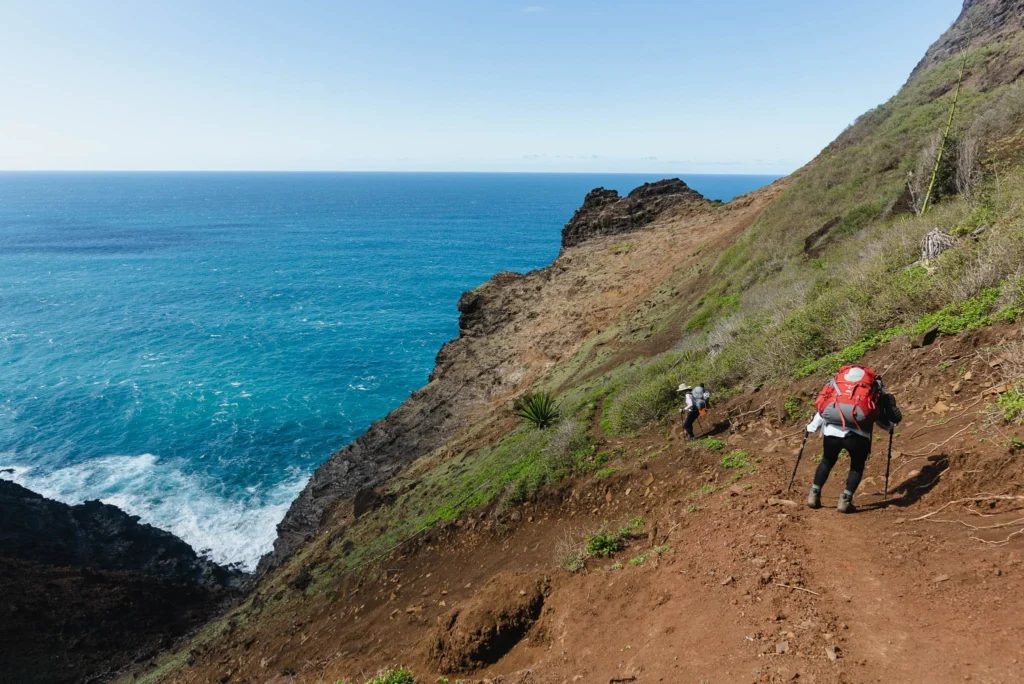
Difficulty: Expert
Why it stands out: Towering sea cliffs, waterfalls, and remote beaches.
Best season: April to October
Key notes: Slippery sections, river crossings, permits required for overnight camping.
Lost Coast Trail
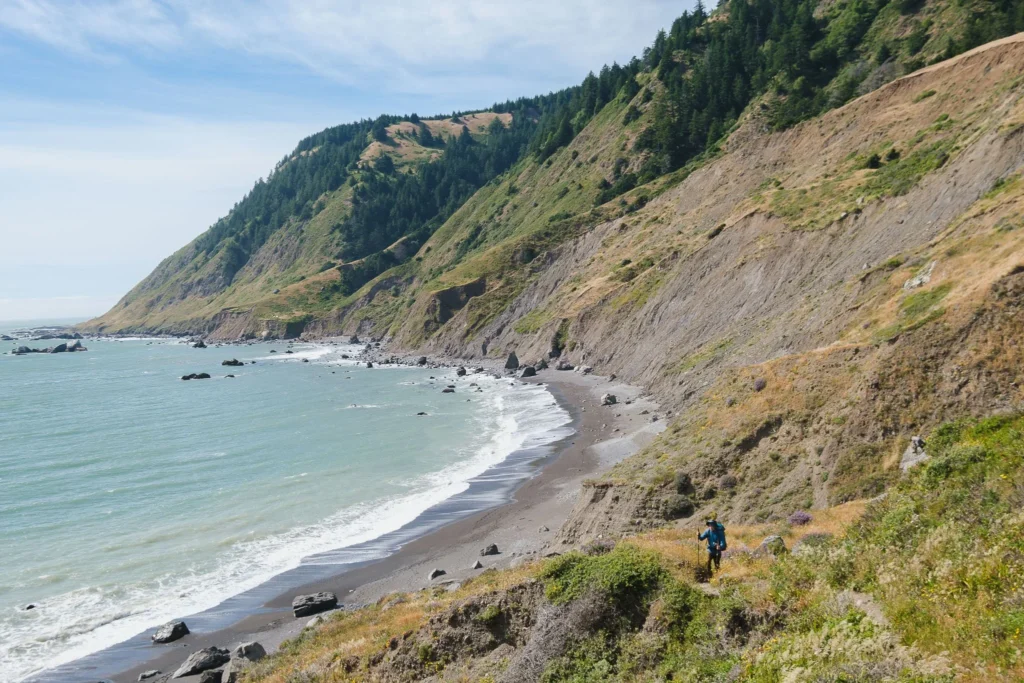
Difficulty: Expert
Why it stands out: One of the wildest coastlines in North America.
Best season: Late spring to early fall
Key notes: Tidal choke points and remote access demand careful planning.
Oregon Coast Trail
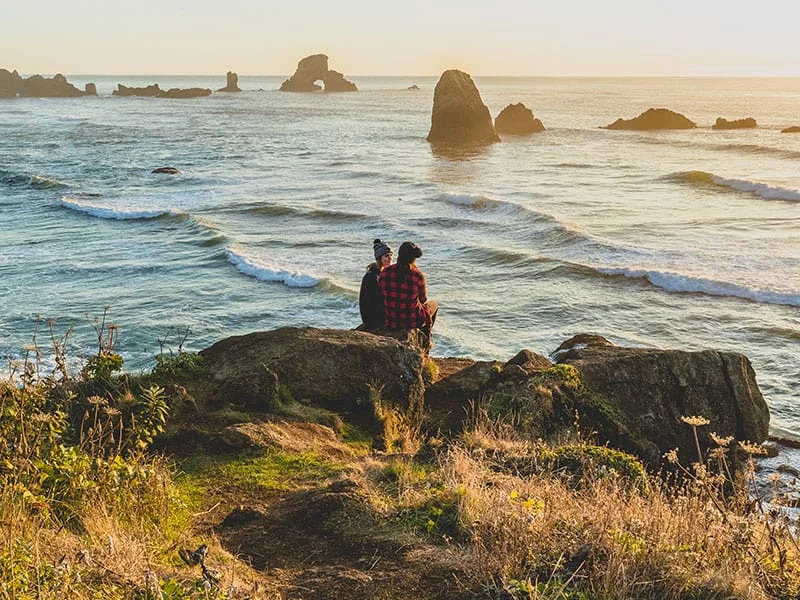
Difficulty: Easy to challenging depending on section
Why it stands out: Beaches, forests, headlands, and small coastal towns.
Best season: Summer to early fall
Key notes: Watch for rogue waves and weather shifts.
Pembrokeshire Coast Path
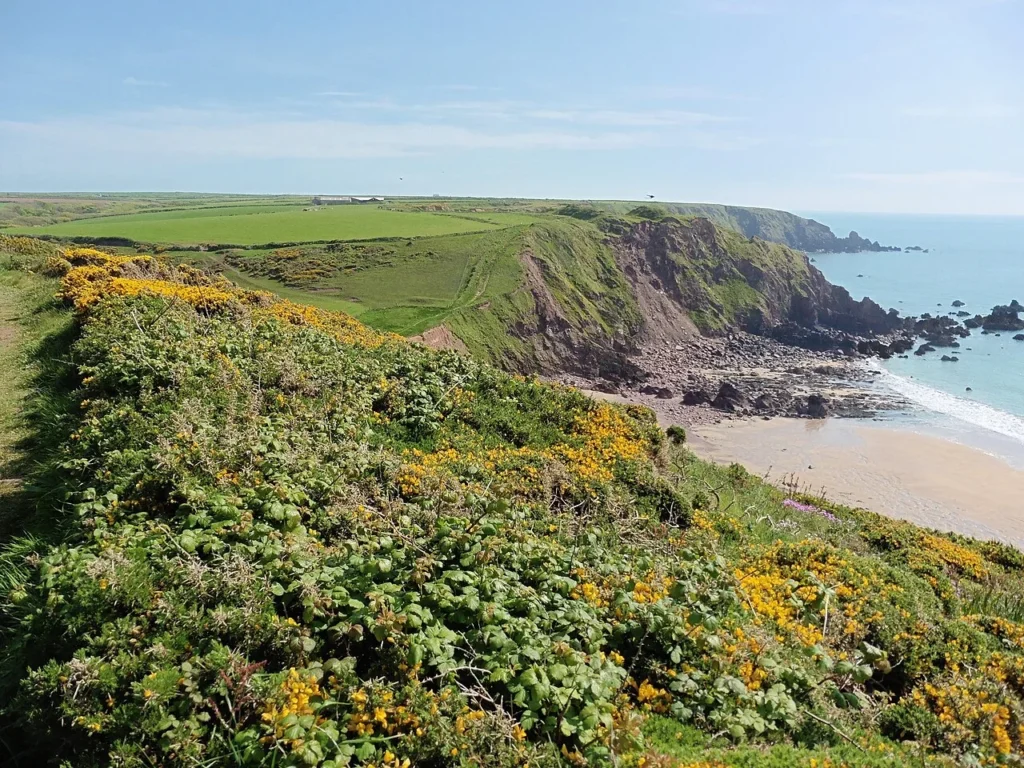
Difficulty: Moderate to challenging
Why it stands out: Cliffs, coves, wildlife, and historic villages.
Best season: Late spring to early autumn
Key notes: Wind and elevation changes add difficulty.
South West Coast Path
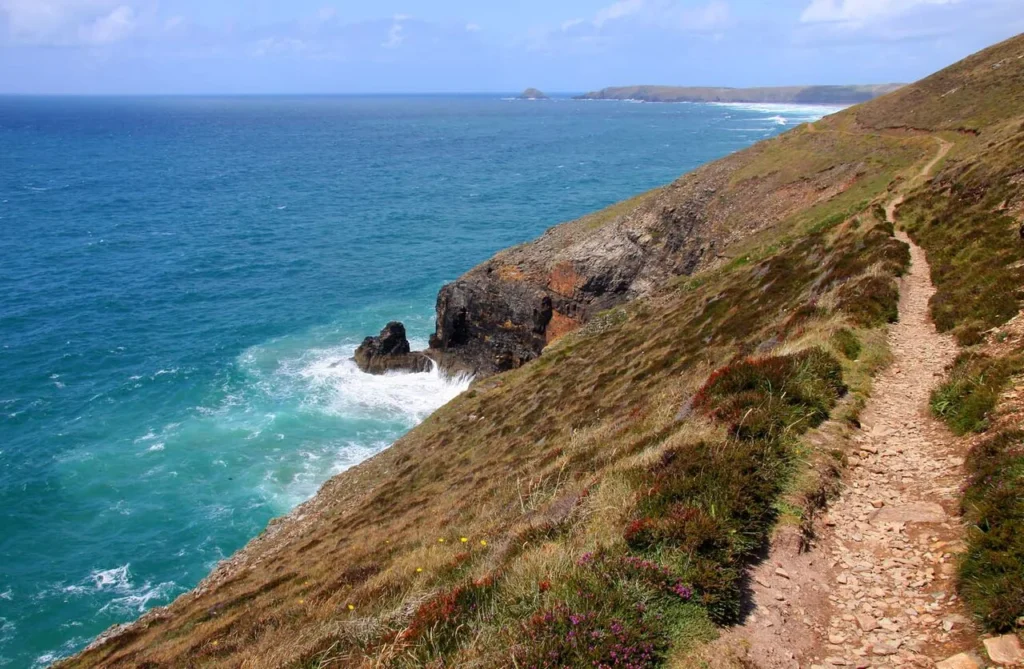
Difficulty: Moderate to challenging
Why it stands out: England’s longest coastal trail with dramatic scenery.
Best season: May to September
Key notes: Steep ascents and descents add cumulative fatigue.
Sentiero Azzurro
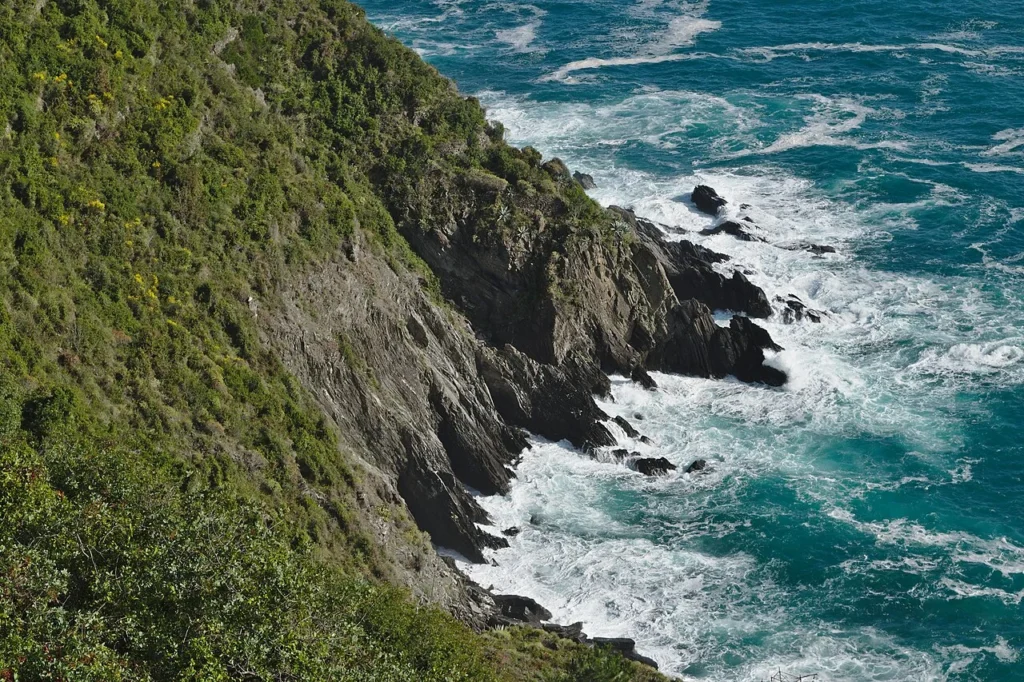
Difficulty: Moderate
Why it stands out: Sea views linking colorful cliffside villages.
Best season: Spring and autumn
Key notes: Some sections close for maintenance.
Cape to Cape Track
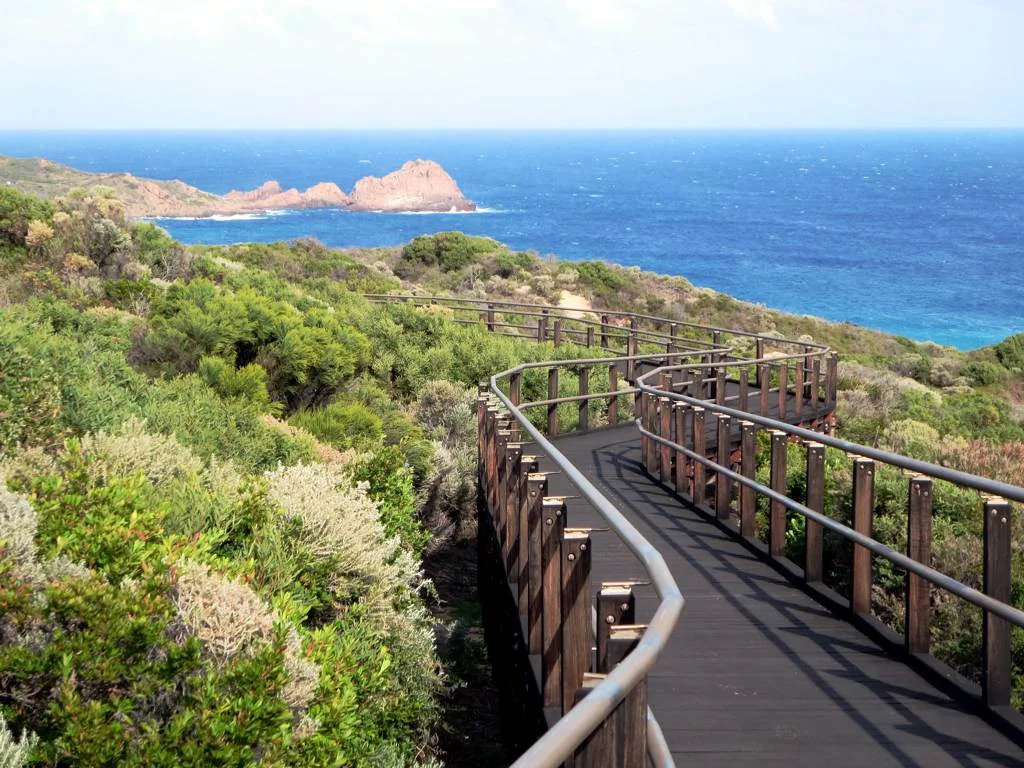
Difficulty: Moderate to challenging
Why it stands out: Rugged headlands, wild surf beaches, and lighthouses.
Best season: Autumn to spring
Key notes: Limited shade and strong coastal winds.
Kalbarri Coastal Cliffs Walk
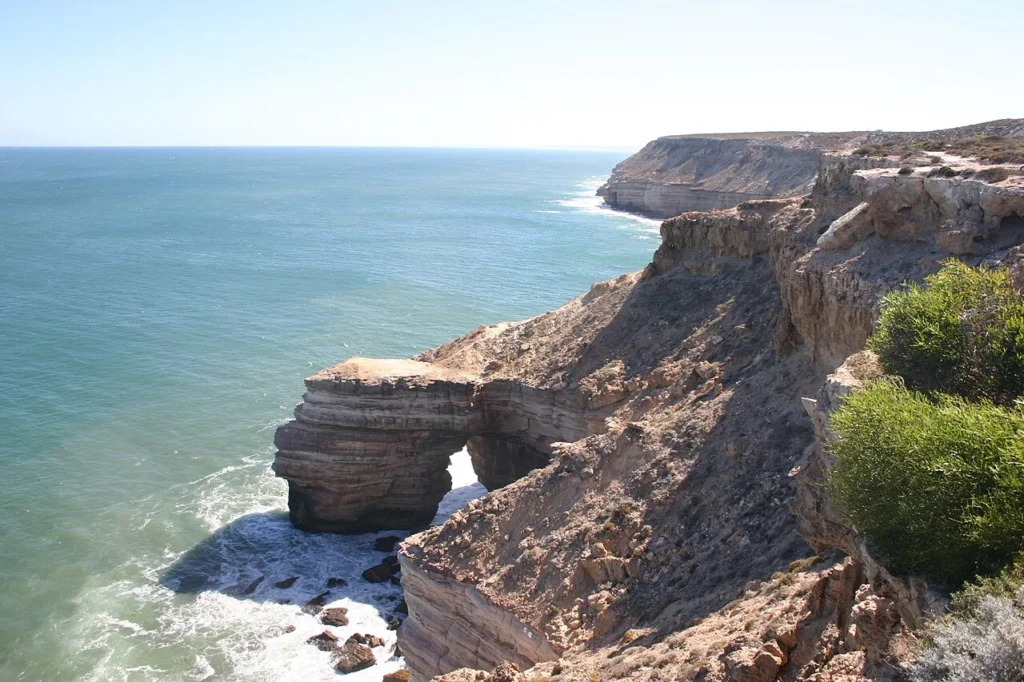
Difficulty: Easy to moderate
Why it stands out: Red cliffs above turquoise ocean.
Best season: Spring and autumn
Key notes: Strong sun exposure, bring water.
Ruta de los Acantilados
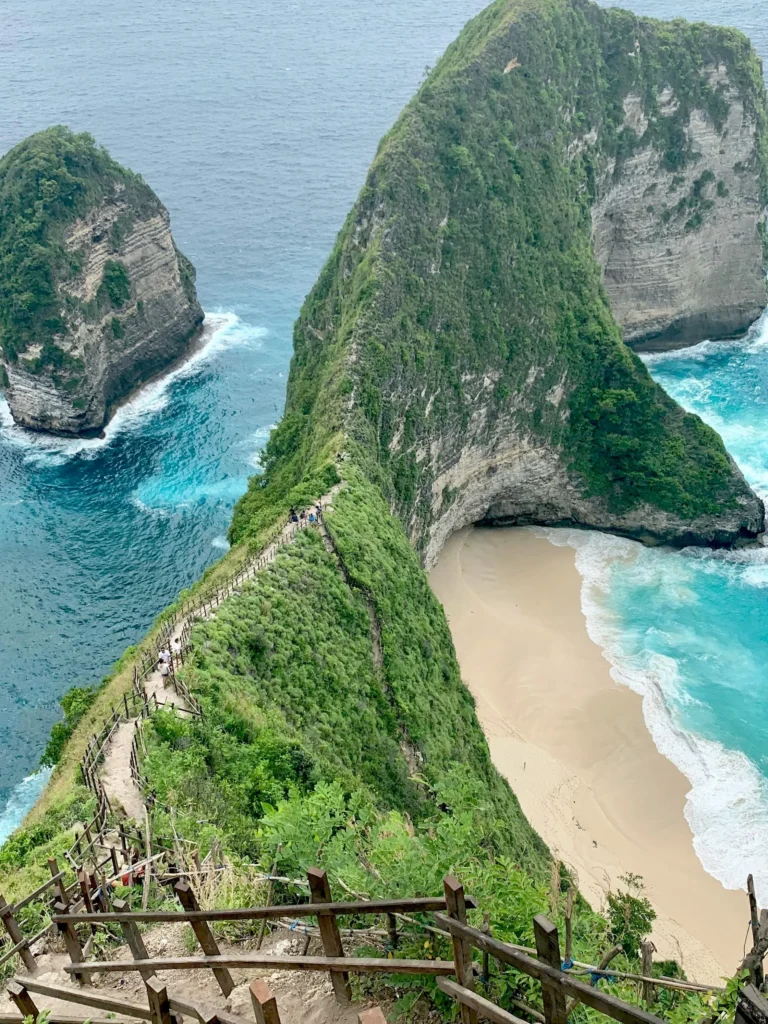
Difficulty: Moderate
Why it stands out: Atlantic cliffs, fishing villages, raw coastal beauty.
Best season: Late spring to early autumn
Key notes: Atlantic storms can change conditions quickly.
Wildlife awareness on beach hiking trails
Beach hikers share space with wildlife.
- Seabirds nest in dunes and cliff edges
- Seals and sea lions rest on beaches
- Tide pools host fragile marine life
Rules to follow:
- Never approach or feed animals
- Avoid dune vegetation
- Do not touch marine life
Accessibility and inclusive beach hiking
Not all beach hikes are extreme.
More accessible routes often have
- Firm sand at low tide
- Boardwalks or compacted coastal paths
- Gentle elevation
Less accessible routes include
- Cliff ladders
- Boulder scrambling
- Narrow erosion-prone paths
Including accessibility information helps more travelers enjoy coastal landscapes safely.
Best global seasons for beach hiking
- Tropical regions: Dry season, typically November to April
- Temperate coasts: Late spring through early autumn
- Southern hemisphere: October to April
- Monsoon zones: Avoid peak rainfall months
Always check local weather and swell forecasts.
Permits, rules, and legal access
- Many coastal routes pass through protected parks
- Overnight beach camping often requires permits
- Fires are frequently prohibited
- Seasonal closures protect wildlife
Check official park or coastal authority pages before you go.
Responsible beach hiking and conservation
Protecting coastlines ensures they remain wild.
- Use reef-safe sunscreen
- Pack out all trash
- Stay on established paths
- Respect visitor limits and closures
- Support local guides and communities
Photography tips for beach hiking trails
- Shoot during golden hour for softer light
- Use a polarizing filter to reduce glare
- Capture tide lines and scale with people or rocks
- Follow local drone rules and avoid wildlife disturbance
FAQs
Beach hiking trails follow coastlines along sand, rock, or tidal zones and often require tide planning and special footwear
Yes. Water-capable hiking shoes or trail runners with grip are ideal.
Absolutely. Start with short, low-tide walks on firm sand.
Often yes. Soft sand and exposure increase effort.
Some protected coastal routes and overnight beach hikes require permits. Always check local park authorities.
Yes, when hikers check tides, wear proper footwear, avoid unstable cliffs, and follow local safety guidelines.
Final thoughts
Beach hiking trails offer something few other adventures can. They combine movement, solitude, ocean energy, and constantly changing landscapes.
With proper planning, tide awareness, and respect for nature, these trails deliver some of the most memorable hiking experiences on Earth.
Stay tuned with us. Further, follow us on social media for the latest updates.
Join us on X, Instagram for the Latest Travel related updates.