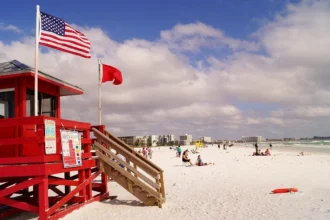
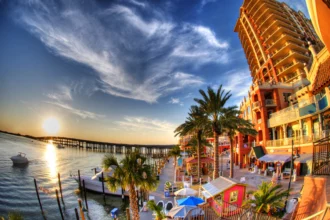
Beaches are often presented as universal playgrounds where anyone can step into the sea and feel safe. Travel brochures, social media reels, and postcards show calm blue water, smiling faces, and gentle waves brushing the shore.
For many travelers, especially first-timers, this creates the impression that beaches are naturally safe spaces. The reality is very different.
Some of the world’s most famous beaches are also among the worst beaches for non-swimmers.
Strong currents, sudden depth changes, unpredictable waves, cold water, and open-ocean exposure can turn even shallow water into a serious risk.
What makes these beaches especially dangerous is that the danger is often invisible.
This article is written for backpackers, cautious travelers, and anyone who is not confident in the water. It explains why certain beaches are unsafe for non-swimmers, even when they look beautiful, popular, or crowded, and how to recognize these risks before stepping into the sea.
Why non-swimmers experience the ocean differently

Non-swimmers face a very different reality in the water compared to confident swimmers. When a wave knocks a swimmer off balance, recovery is often instinctive.
For a non-swimmer, the same moment can trigger panic, loss of footing, and difficulty breathing.
Most incidents involving non-swimmers happen:
- Close to the shoreline
- In knee- to waist-deep water
- During moments when conditions look calm
The biggest dangers include rip currents that pull water away from shore, shore-break waves that collapse suddenly, seabed’s that drop steeply without warning, and cold water that shocks the body.
These risks do not require storms or bad weather. They exist on bright, sunny days as well.
Why popularity creates a false sense of safety
One of the most common mistakes travellers make is assuming that popular beaches are safe beaches.
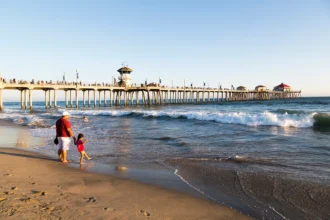
Crowds create confidence. If many people are in the water, it feels natural to assume the conditions are manageable.
In reality, popular beaches often face open oceans, receive powerful swells, and change conditions rapidly.
Lifeguards usually patrol only specific sections, and many visitors enter unpatrolled areas without understanding warning flags or local advice.
Fame does not calm the ocean. It only attracts more people to it.
1. Bondi Beach, Australia

Bondi Beach is one of the most recognisable beaches in the world and one of the most dangerous for non-swimmers.
The Pacific Ocean here regularly forms rip currents that can pull people away from shore within seconds.
Although lifeguards mark safe swimming zones, many tourists enter the water outside flagged areas or misunderstand the system entirely.
Sudden wave surges close to shore often knock people off their feet.
For non-swimmers, Bondi is best enjoyed from the coastal walkways, cafés, and viewpoints rather than the water itself.
2. Copacabana Beach, Brazil

Copacabana’s wide shoreline looks gentle, but beneath the surface the seabed drops steeply. The Atlantic Ocean here can go from ankle-deep to chest-deep within a few steps.
Waves often break forcefully near the shore, creating strong shore breaks that can easily knock non-swimmers down. During high tide or stormy periods, conditions worsen rapidly.
Copacabana is a beach to admire and walk, not one to casually wade into without experience.
3. Reynisfjara, Iceland

Reynisfjara is one of the most visually striking beaches on the planet and one of the most dangerous. The beach is known for sneaker waves, which rush far up the shore without warning.
These waves can knock people over and drag them toward freezing water almost instantly. Cold-water shock here can disrupt breathing within seconds, even for strong swimmers.
Reynisfjara is not a swimming beach. It is a place to observe from a safe distance.
4. Kuta Beach, Indonesia

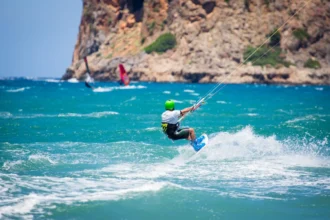
Kuta Beach is often assumed to be beginner-friendly because of its crowds and central location. In reality, it experiences strong seasonal rip currents, especially during monsoon months.
Crowded waters filled with surfers and boards add another layer of risk. Non-swimmers are frequently pulled into deeper water after being knocked over close to shore.
5. Banzai Pipeline, Hawaii

Pipeline is legendary among surfers and extremely dangerous for everyone else. Waves break with enormous force directly over a shallow coral reef.
Even experienced swimmers avoid this beach unless conditions are perfectly calm. For non-swimmers, entering the water here is never advisable.
6. Playa Zicatela, Mexico

Often called the Mexican Pipeline, Playa Zicatela faces the open Pacific Ocean and receives long, powerful waves year-round.
There are no protected swimming zones, and strong pull-back currents exist even on calm-looking days. Swimming here is unsafe for non-swimmers in almost all conditions.
7. Anse Lazio, Seychelles

Anse Lazio looks calm and postcard-perfect, but conditions change seasonally. During certain months, ocean swells create strong currents and sudden depth changes.
Non-swimmers visiting at the wrong time of year often underestimate the risk because the water appears clear and inviting.
Why different oceans behave differently
Not all oceans act the same way, and this matters greatly for non-swimmers.
The Pacific Ocean is the most powerful, producing long-distance swells and strong rip currents. Many of the world’s most dangerous beaches face the Pacific.
The Atlantic Ocean often hides steep seabeds and aggressive shore breaks, making shallow water deceptive.
The Indian Ocean changes dramatically with monsoon seasons. A beach that feels calm one month can become hazardous the next.
Understanding which ocean a beach faces is one of the simplest ways to assess risk.
The psychology of panic in non-swimmers
Panic is the hidden factor behind most non-swimmer accidents. When balance is lost, breathing becomes shallow, muscles tense, and movements become uncoordinated.
Cold water, unexpected depth changes, and waves approaching from multiple directions intensify this response. This is why most incidents occur close to shore rather than far out at sea.
How social media increases beach danger
Social media has changed how people behave at beaches. Many travellers move closer to waves for dramatic photos without understanding local conditions.
At places like Reynisfjara, this behaviour has led to serious accidents. Seeing others pose near the water creates a false sense of safety and encourages imitation.
The ocean does not respond to trends or likes.
Dangerous beaches vs non-swimmable beaches
Not all beaches on this list are dangerous in the same way.
Some beaches are actively dangerous, where even standing near the water is risky. Others are non-swimmable, meaning they are simply not suitable for swimming but can still be enjoyed safely from the shore.
Knowing the difference helps travellers make smarter decisions.
How to read beach warning flags
- Red flags indicate dangerous conditions
- Red and yellow flags mark safer swimming zones
- Black flags usually mean extreme danger or closure
Ignoring flags is one of the most common causes of beach accidents worldwide.
A realistic safety checklist for non-swimmers
Before entering the water, ask yourself:
- Is this an open-ocean beach?
- Are locals swimming or only surfers?
- Are warning flags present?
- Is it storm, swell, or monsoon season?
- Have I consumed alcohol?
If there is doubt, staying out is the safest choice.
Safe ways non-swimmers can still enjoy beaches
You do not need to swim to enjoy the coast. Safer alternatives include:
- Shallow lagoons and reef-protected bays
- Natural tidal pools
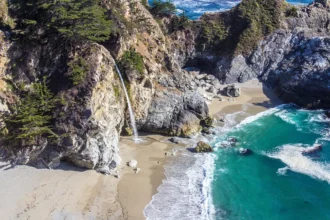
- Coastal walks and viewpoints
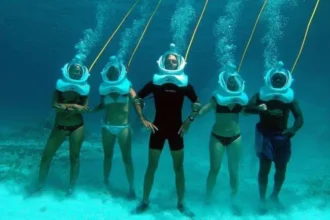
- Boat trips with proper safety gear
Choosing the right beach matters more than avoiding beaches entirely.
Why this matters for backpackers
Backpackers often travel solo, rely on public beaches, and follow social media inspiration rather than safety guidance. Budget travel also means fewer guided experiences.
Understanding which beaches are unsafe for non-swimmers is a critical travel skill, not optional knowledge.
Final thoughts
Some beaches are breathtaking but unforgiving. Beauty does not equal safety, and popularity does not reduce risk.
For non-swimmers, knowing when not to enter the water is wisdom, not fear. Respecting the ocean is part of responsible travel.
A safe beach memory will always be better than a risky one.
Stay tuned with us. Further, follow us on social media for the latest updates.
Join us on X, Instagram for the Latest Travel related updates.