
Beaches represent freedom, relaxation, and adventure. They attract families, solo travelers, couples, athletes, and wellness seekers from every part of the world. Despite their beauty, beaches are powerful natural environments shaped by tides, weather, geology, and marine ecosystems, which is why understanding essential Beach Safety Tips is crucial before stepping onto the sand.
Many beach accidents happen not because people are careless, but because they underestimate how quickly conditions can change.
This comprehensive guide brings together environmental science, public safety guidance, travel awareness, and practical experience to help you enjoy beaches safely.
It covers everything from swimming risks and sun exposure to rare hazards, crowd safety, medical preparedness, and smart decision making.
Whether you are visiting a popular tourist beach or a remote shoreline, these tips are designed to protect lives, prevent injuries, and encourage respectful interaction with nature.
Understanding the Beach Environment

Every beach behaves differently. Ocean beaches experience waves, tides, rip currents, and shifting sandbars.
Sea beaches may feel calmer but can still hide sudden depth changes. Lake beaches often have colder water and steep drop offs. River beaches involve strong directional currents and unstable footing.
Before entering the water, spend time observing wave patterns, water color, current movement, and how experienced locals behave.
Beaches can change daily after storms, high tides, or seasonal shifts. A beach that felt safe yesterday may behave very differently today.
Geography also matters. Beaches near cliffs, reefs, jetties, or river mouths often experience unpredictable currents and wave reflections. Never assume familiarity equals safety.
Lifeguards, Signage, and Flag Systems

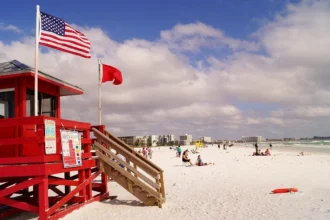
Swimming near lifeguards is one of the most effective safety measures available. Beaches with professional lifeguard patrols have significantly lower drowning rates.
Lifeguards monitor ocean behavior continuously and can respond quickly to emergencies.
Always read posted signs when arriving. These signs warn about rip currents, unstable sand, marine life, pollution, or restricted zones. Ignoring signage is a leading cause of preventable beach accidents.
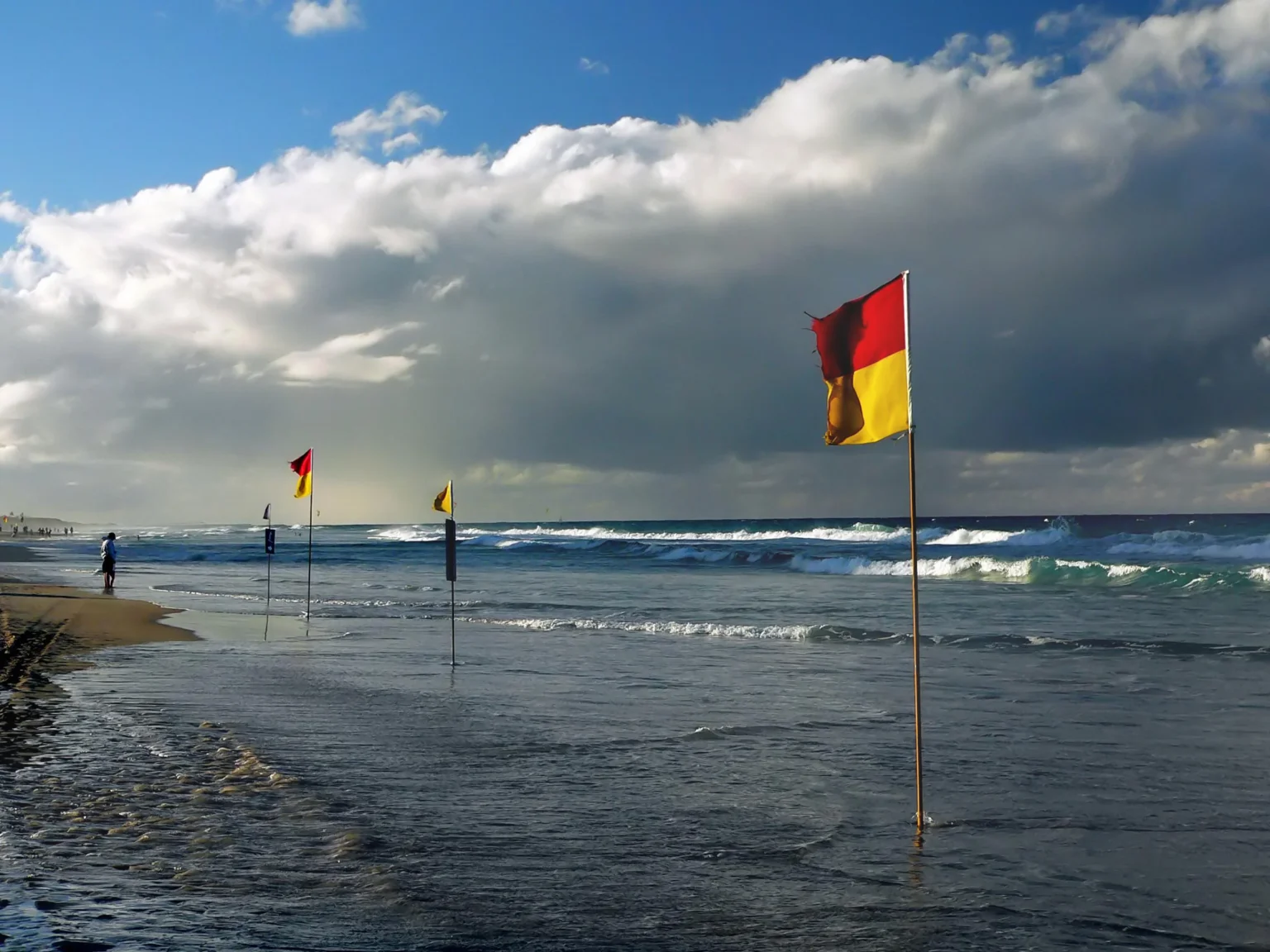
Many beaches use flag systems. Green flags indicate calm conditions. Yellow flags mean caution. Red flags signal dangerous surf.
Double red flags usually mean swimming is prohibited. Purple flags warn of hazardous marine life. Treat these warnings seriously regardless of your swimming ability.
Water Safety Fundamentals

The ocean demands respect. Strong swimmers can still be overwhelmed by waves, currents, or fatigue.
Never turn your back on the water, especially near rocky areas, as unexpected waves can knock people over.
Never swim alone. A swimming partner increases safety and ensures help is available if something goes wrong. Families should use a buddy system for children and teenagers.
Avoid swimming at night or in poor visibility. Most rescues occur during daylight hours when help is accessible.
Rip Currents and How to Survive Them
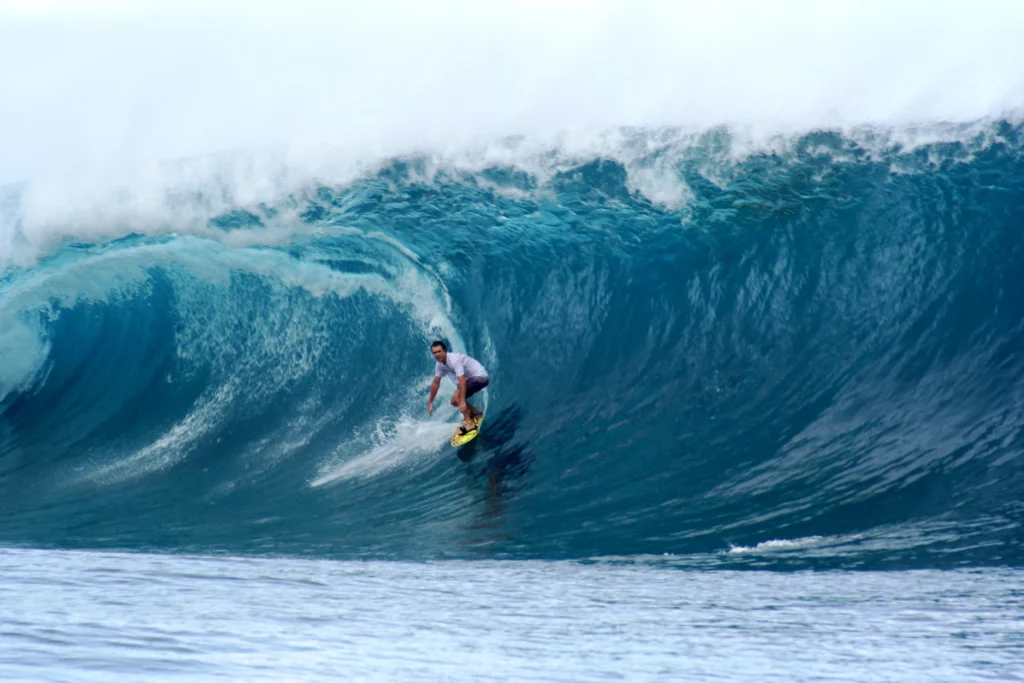
Rip currents are fast moving channels of water that pull swimmers away from shore. They are responsible for a large percentage of ocean rescues worldwide.
Common signs include darker water, fewer breaking waves, foam moving seaward, or a visible gap in wave patterns.
If caught in a rip current, remain calm. Do not swim directly against it. Float on your back to conserve energy. Swim parallel to the shore until free from the current, then return to land at an angle.
Teaching rip current awareness saves lives.
Beach Safety for Children

Children require constant supervision near water. Accidents happen quickly and quietly. Always keep young children within arm’s reach and assign a dedicated adult as the water watcher.
Swimming lessons are valuable but do not replace supervision. Inflatable toys are not safety devices and can drift rapidly.
Use properly fitted life jackets for children who are not confident swimmers. Teach basic rules such as staying within marked areas and recognizing flags.
Establish a family meeting point in case someone becomes separated.
Sun Safety and Heat Protection
Sun exposure is one of the most underestimated beach risks. Prolonged exposure can cause sunburn, heat exhaustion, dehydration, and long term skin damage.
Apply broad spectrum sunscreen well before sun exposure and reapply regularly. Wear protective clothing, hats, and sunglasses. Seek shade during peak sun hours.
Drink water frequently even if you do not feel thirsty. Avoid excessive alcohol, which increases dehydration and impairs judgment.
Recognize signs of heat illness such as dizziness, nausea, headache, and confusion. Leave the sun immediately if symptoms appear.
Weather, Tides, and Changing Conditions
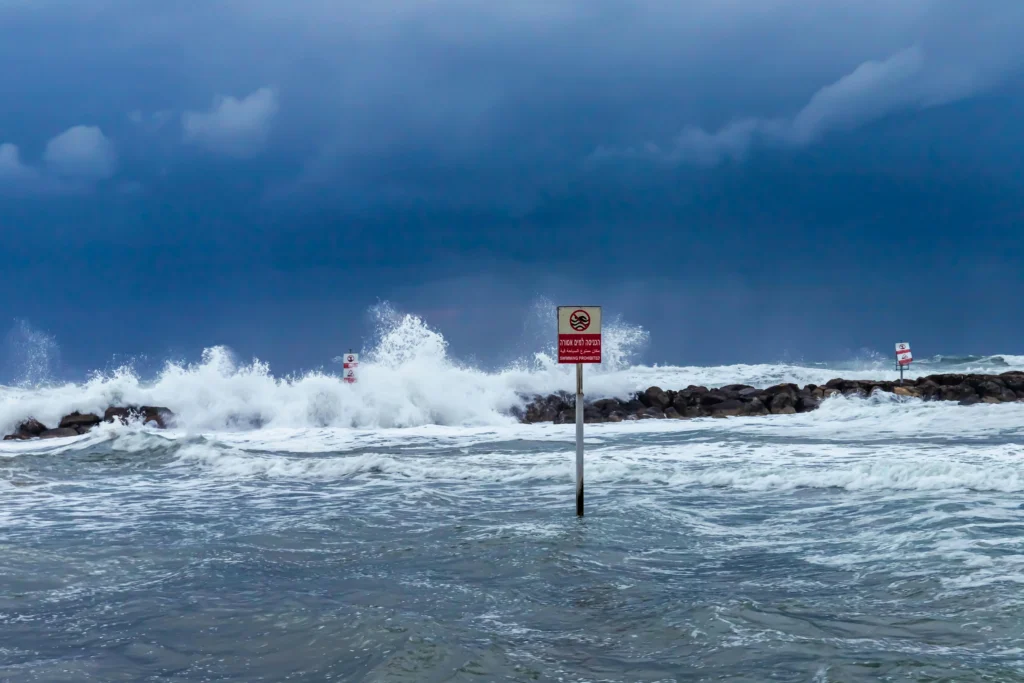
Always check weather forecasts before visiting the beach. Coastal weather can change rapidly. Rising winds, dark clouds, or sudden wave increases are signals to exit the water early.
If thunder is heard, leave the beach immediately. Water conducts electricity and lightning strikes near coastlines are extremely dangerous.
Understand tide schedules. Incoming tides can trap people against cliffs or rocks and increase wave energy unexpectedly.
Marine Life Awareness
Most marine animals avoid humans, but accidental encounters occur. Jellyfish, stingrays, sea urchins, and certain fish cause common beach injuries.
Shuffle your feet in shallow water to alert stingrays. Avoid touching marine life, even if it appears harmless.
If stung by a jellyfish, rinse with seawater and remove tentacles carefully. Seek medical attention for severe reactions.
Never approach stranded or injured marine animals. Contact local authorities instead.
Equipment and Activity Safety
Use equipment appropriate for conditions and skill level. Surfing, paddleboarding, kayaking, and snorkeling require knowledge of currents, wind, and weather.
Wear leashes where appropriate and avoid crowded swimming zones when using boards or watercraft.
Inflatable rafts are easily blown offshore and should only be used near shore in calm conditions.
Protect your feet from hot sand, sharp shells, and hidden rocks with suitable footwear.
Alcohol and Decision Making
Alcohol significantly increases beach risk. It impairs balance, reaction time, and judgment while increasing dehydration and sun sensitivity.
Never combine alcohol with swimming or water sports. Assign sober supervision for children and vulnerable individuals.
Many beach fatalities involve alcohol as a contributing factor.
Crowd Safety and Personal Security
Crowded beaches introduce risks beyond nature. Children can become lost quickly. Collisions occur in the water. Theft increases during peak seasons.
Choose visible landmarks for meeting points. Teach children how to seek help if separated.
Secure valuables and avoid displaying expensive items unnecessarily.
During emergencies, remain calm and move away from danger zones rather than toward crowds.
Coastal Geography and Hidden Hazards
Cliffs, dunes, and rocky shorelines are unstable environments. Coastal erosion weakens structures that appear solid. Falling rocks and collapsing sand shelves cause serious injuries.
Avoid sitting under cliffs or digging deep sand holes. Sand collapses quickly and has caused fatal accidents.
Wet rocks are extremely slippery. Keep a safe distance from wave exposed rock formations.
Rare but Serious Ocean Events
While uncommon, tsunamis, abnormal surges, and seiches do occur. If the ocean suddenly recedes far beyond normal tide levels, leave immediately and move to higher ground.
Learn evacuation routes in regions prone to seismic activity. Do not wait for official alerts if natural warning signs appear.
Nighttime and Low Visibility Risks

Swimming after sunset is highly dangerous. Visibility is limited, marine animals are more active, and lifeguards are usually off duty.
Walking beaches at night requires caution. Carry light sources, avoid alcohol, and stay well above the waterline.
Seniors and Medical Considerations
Older adults face increased risk from dehydration, heat stress, balance issues, and cardiac strain. Cold water immersion can shock the body even in warm climates.
People with medical conditions should carry medication, inform companions, and avoid strenuous activity during extreme heat.
Enter water gradually and rest frequently.
Technology and Modern Beach Safety
Use technology responsibly. Enable emergency location services on phones and protect devices from water and heat.
Weather and tide apps are useful but should never replace visual assessment and local guidance.
Avoid distraction from excessive phone use near water.
Environmental Health and Pollution
Water quality can deteriorate after heavy rainfall due to runoff. Avoid swimming in discolored or foul smelling water.
Do not swim with open wounds. Shower after swimming when possible to reduce infection risk.
Respect natural environments. Healthy beaches are safer beaches.
Remote Beaches and Solo Travel
Remote beaches require extra caution. Help may be far away and mobile coverage limited.
Inform someone of your plans, carry sufficient supplies, and trust your instincts. If conditions feel unsafe, leave.
Solitude should never compromise safety.
Psychological Awareness and Risk Behavior
Vacations reduce risk awareness. Peer pressure, relaxation, and alcohol cause people to ignore warnings.
Actively remind yourself that beaches are powerful natural environments, not controlled swimming pools.
Good judgment prevents more accidents than any rescue.
Emergency Preparedness
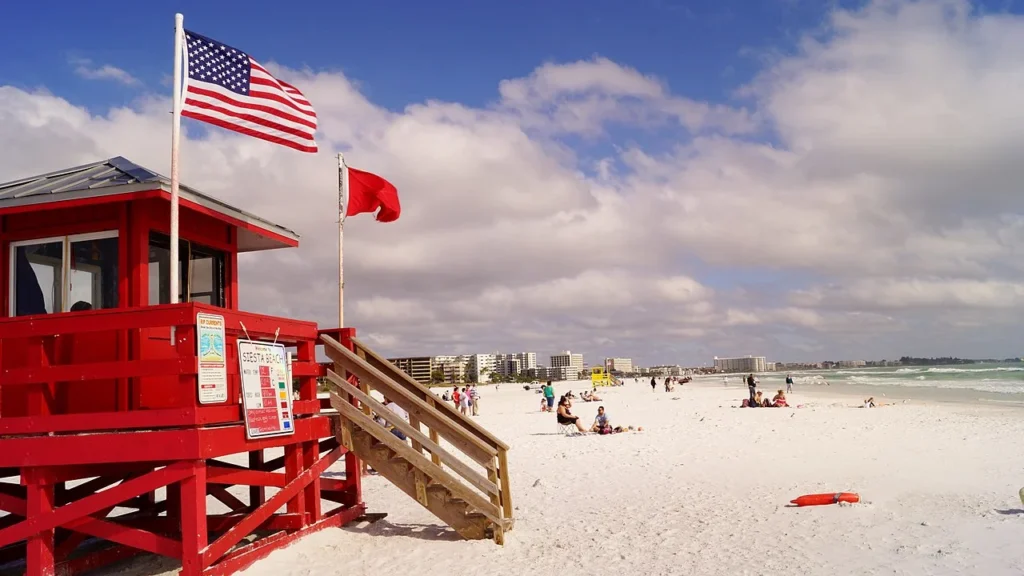
Know local emergency numbers and lifeguard locations. Carry a basic first aid kit.
If someone is in trouble, do not enter the water unless trained. Call for help and use flotation aids from a safe distance.
Learning basic first aid and resuscitation skills can save lives.
Final Thoughts
Beach safety is not about fear or restriction. It is about respect, awareness, and preparation. When you understand the environment and your limits, beaches become places of joy rather than risk.
By following these guidelines, staying alert, and making thoughtful decisions, you protect yourself and others while preserving the freedom that makes beach experiences unforgettable.
FAQs
A. Near lifeguards and within designated swimming areas
A. They pull swimmers away from shore and cause fatigue if fought directly.
A. Yes, ultraviolet rays penetrate clouds and still damage skin.
A. They are risky and should only be used close to shore in calm conditions.
A. Leave the water immediately and follow local safety guidance.
Stay tuned with us. Further, follow us on social media for the latest updates.
Join us on X, Instagram for the Latest Travel related updates.