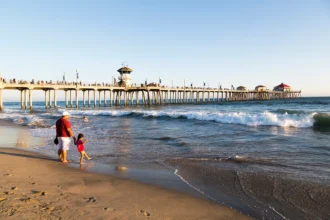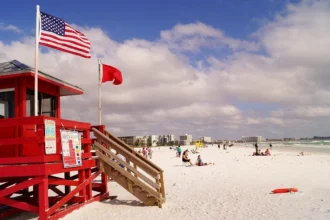

Traveling to the beach without a car is not a compromise. In many coastal destinations, especially the most walkable beach cities, it is often the best way to truly experience the place.
Walkable beach cities allow travelers to move freely from accommodation to cafés, markets, historic areas, and the shoreline without worrying about parking, traffic, or rental costs. Everything happens at a human pace, which is exactly how beach travel should feel.
This guide covers the most walkable beach cities in the world for travelers without a car. It explains what walkability truly means, how to choose the right city for your travel style, and how to plan a smooth car-free beach trip.
You will also find safety advice, budget tips, accessibility notes, and common mistakes to avoid.
What Makes a Beach City Truly Walkable

Not every coastal city is walkable just because it has a beach. True walkability for car-free travelers depends on several practical factors.
A genuinely walkable beach city offers:
- Beaches within 500 meters to 1.5 kilometers of accommodation
- Continuous sidewalks or promenades with lighting and shade
- Daily essentials like grocery stores, cafés, and pharmacies on foot
- Reliable public transport for longer trips
- Flat or gently sloping terrain suitable for long walks
Cities that meet these criteria allow travelers to enjoy the coast fully without depending on taxis or rental vehicles.
How Far Is Actually Walkable
Marketing terms like “close to the beach” can be misleading. For most travelers:
- 0 to 500 meters feels effortless
- 500 meters to 1 kilometer is comfortably walkable
- 1 to 2 kilometers is manageable with breaks or bikes
- Over 2 kilometers usually requires public transport
When booking accommodation, always check walking time rather than distance.
Europe’s Most Walkable Beach Cities
Barcelona, Spain
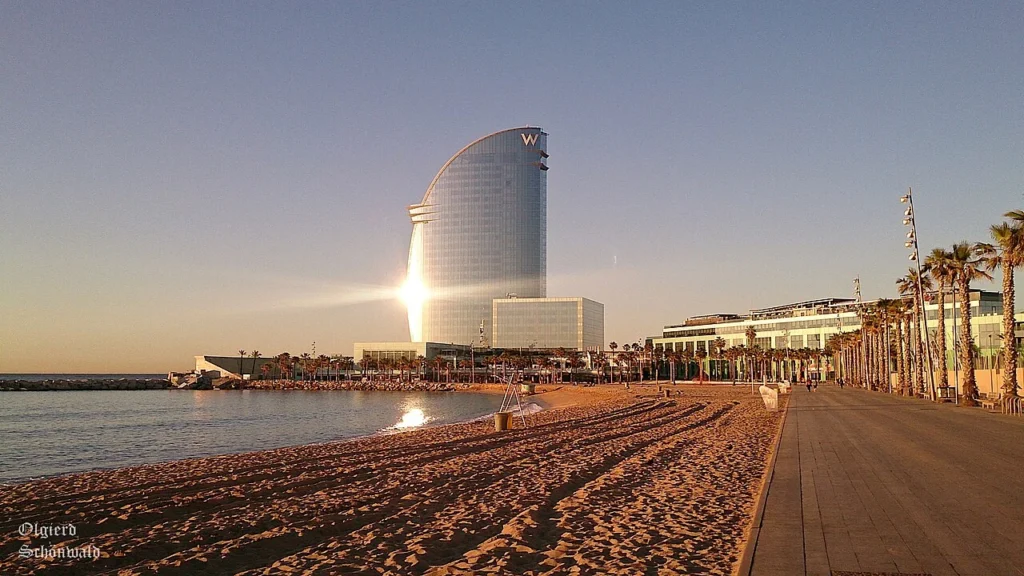
Barcelona is one of the world’s best examples of a walkable beach city. The Barceloneta neighborhood connects directly to a long, flat seaside promenade linking beaches, harbors, restaurants, and historic districts.
The city’s grid layout makes navigation easy, and the metro covers longer distances efficiently.
Why it works without a car:
- Beach and city center are tightly connected
- Flat promenades and wide sidewalks
- Excellent metro and bus system
Best areas to stay: Barceloneta, El Born, Gothic Quarter
Ideal for: Solo travelers, couples, digital nomads
Nice, France
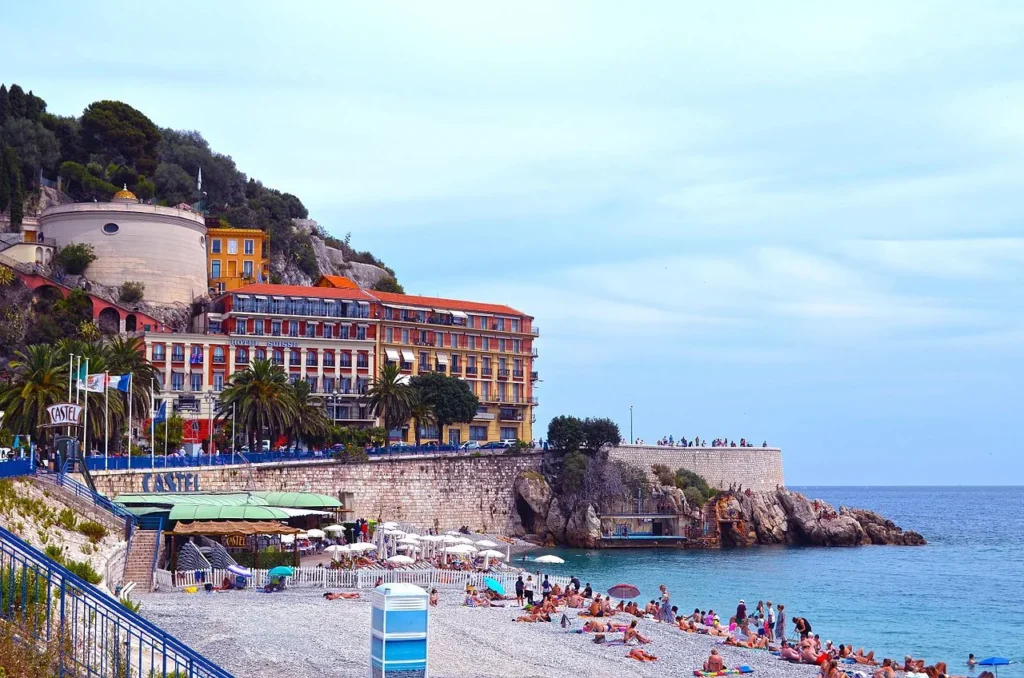
Nice’s Promenade des Anglais defines coastal walkability. The long waterfront path connects beaches, gardens, cafés, and Old Town in one continuous walk.
The city center is compact and flat, with trams and buses as backup.
Why it works without a car:
- Iconic seaside promenade
- Short distances between attractions
- Excellent regional train access
Best areas to stay: Old Town, Promenade districts
Ideal for: Relaxed beach walkers, older travelers
San Sebastián, Spain
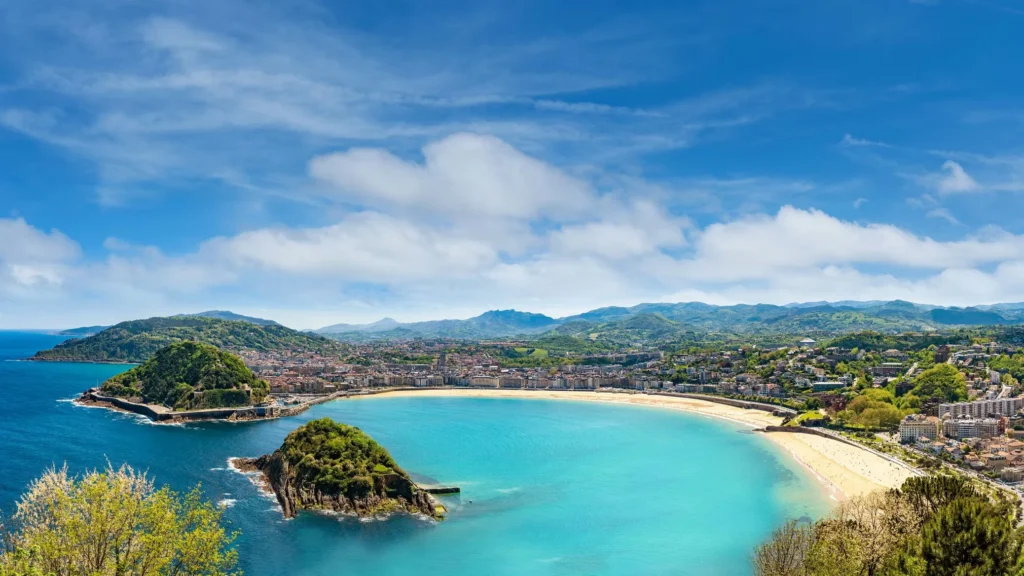
San Sebastián combines a perfect urban beach with a compact, food-focused old town. La Concha Beach sits directly beside pedestrian streets filled with cafés and pintxos bars.
Why it works without a car:
- Everything within walking distance
- Safe and lively promenades
- Easy public transport for nearby towns
Best areas to stay: Old Town, Gros
Ideal for: Food lovers, slow travelers
Brighton, UK, England
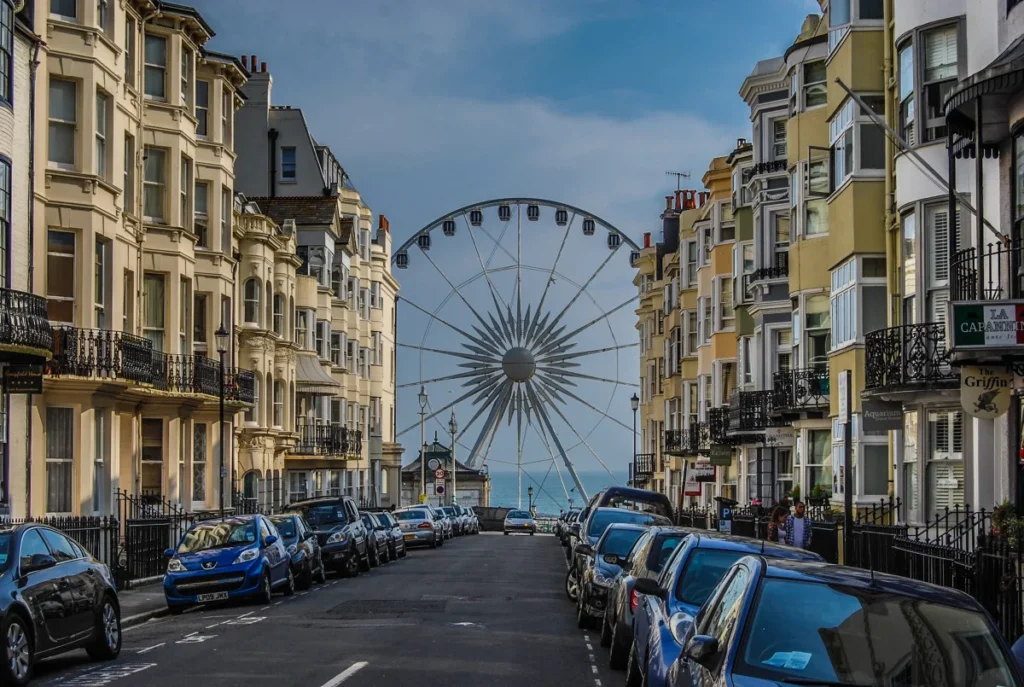
Brighton is a classic seaside city where the beach, pier, shopping streets, and nightlife cluster tightly together. The city is small, energetic, and well connected by rail.
Why it works without a car:
- Compact layout
- Direct train access from London
- Flat seafront walks
Best areas to stay: North Laine, seafront
Ideal for: Short breaks, solo travelers
Mediterranean and North Africa
Dubrovnik, Croatia
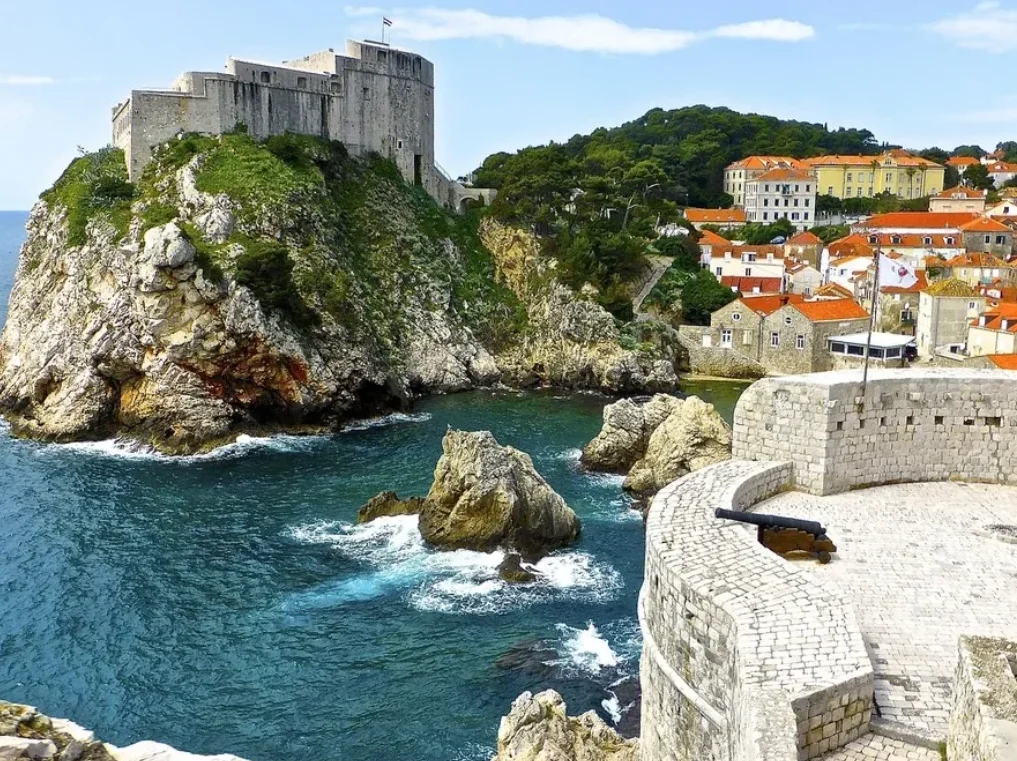
Dubrovnik’s historic Old Town sits within walking distance of several beaches. While the city is hilly in parts, the main areas remain accessible on foot, and buses cover longer routes.
Why it works without a car:
- Beaches near the Old Town
- Pedestrian historic core
- Ferries for nearby islands
Best areas to stay: Old Town, Lapad
Ideal for: History lovers with light luggage
Essaouira, Morocco
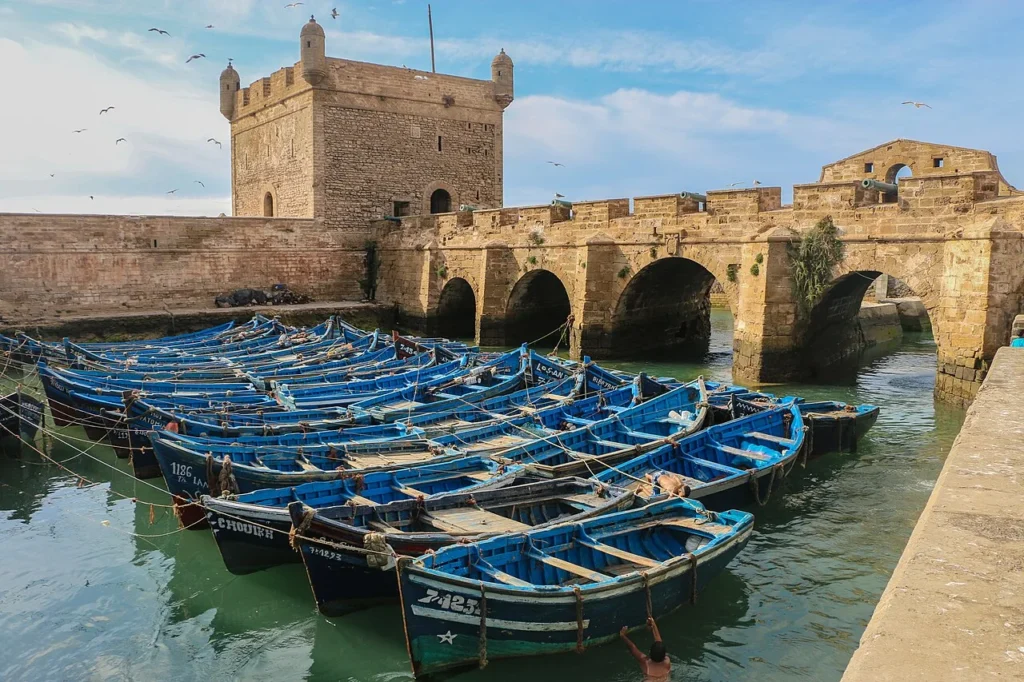
Essaouira’s medina, harbor, and wide Atlantic beach are all connected by walkable streets and ramparts. The city’s compact size makes it easy to explore entirely on foot.
Why it works without a car:
- Small pedestrian medina
- Long walkable beach
- Easy bus connections
Best areas to stay: Medina or beachfront riads
Ideal for: Budget travelers, creatives
Middle East and Asia
Tel Aviv, Israel
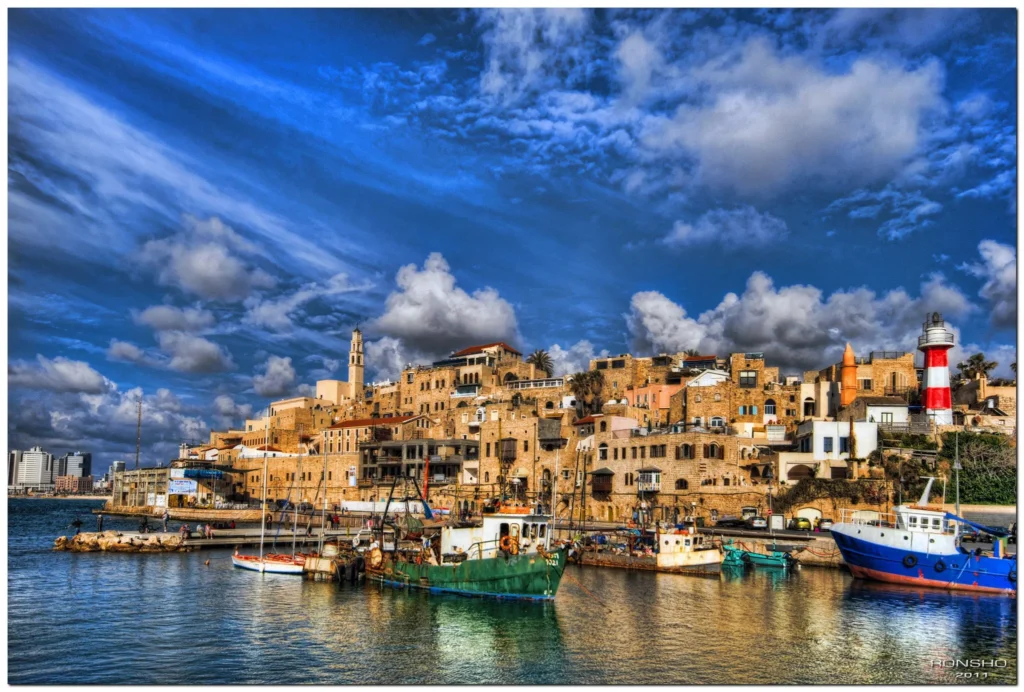
Tel Aviv stretches along a long, flat promenade connecting beaches, parks, and neighborhoods from Jaffa to the north. The city is vibrant, social, and easy to navigate on foot.
Why it works without a car:
- Continuous beachfront promenade
- Strong bus and tram network
- Bike lanes everywhere
Best areas to stay: Gordon Beach, Old Jaffa
Ideal for: Nightlife lovers, digital nomads
Hoi An, Vietnam
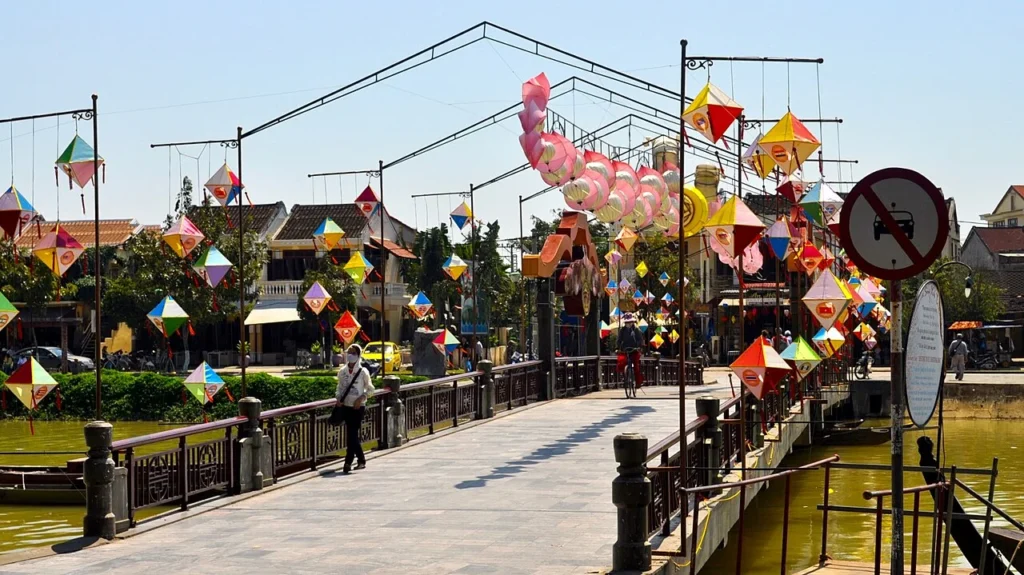
Hoi An’s Old Town is one of Southeast Asia’s most walkable historic centers. Nearby beaches are accessible by walking, cycling, or short tuk-tuk rides.
Why it works without a car:
- Pedestrian old town
- Flat terrain
- Bike friendly culture
Best areas to stay: Old Town, An Bang
Ideal for: Slow travel, long stays
Oceania and the Pacific
Byron Bay, Australia

Byron Bay’s town center, main beach, and coastal walks sit within easy walking distance. The laid back culture encourages moving on foot.
Why it works without a car:
- Compact town
- Walkable beaches
- Shuttle services for longer trips
Best areas to stay: Town center, Main Beach
Ideal for: Wellness travelers, surfers
Honolulu, Hawaii

Waikiki is one of the most car-free friendly beach districts in the world. Hotels, beaches, dining, and parks are all within minutes of each other.
- Dense beach neighborhood
- Excellent public buses
- Organized tours for day trips
Best areas to stay: Waikiki, Kapiolani
Ideal for: First-time beach travelers
North America
Santa Monica, California

Santa Monica offers a highly walkable core with the pier, promenade, and beach all clustered together. Public transport links the city to greater Los Angeles.
Why it works without a car:
- Flat beachfront paths
- Good public transport
- Dense shopping and dining
Best areas to stay: Near the pier, Ocean Avenue
Ideal for: Urban beach lovers
Public Transport and Backup Mobility
Even the best walking cities benefit from transport support. The most successful car-free beach cities provide:
- Frequent buses or trams
- Day and weekly passes
- Ferries or water taxis
- Bike and scooter sharing
Public transport extends walkability rather than replacing it.
Walkable Beach Cities for Solo and Female Travelers
Walkable cities often feel safer due to foot traffic and lighting. Promenades with cafés and shops create natural security.
Tips:
- Stay near central promenades
- Avoid isolated beaches at night
- Choose areas with evening activity
Cities like Barcelona, San Sebastián, Brighton, Tel Aviv, and Waikiki consistently rate well for solo and female travelers.
Digital Nomads and Long-Stay Travelers
Walkable beach cities are ideal for remote workers. Look for:
- Reliable WiFi cafés
- Co working spaces near the beach
- Grocery stores on foot
- Long-stay accommodation options
Barcelona, Tel Aviv, Hoi An, and Santa Monica stand out for car-free digital nomad life.
Budget Tips for Car-Free Beach Travel
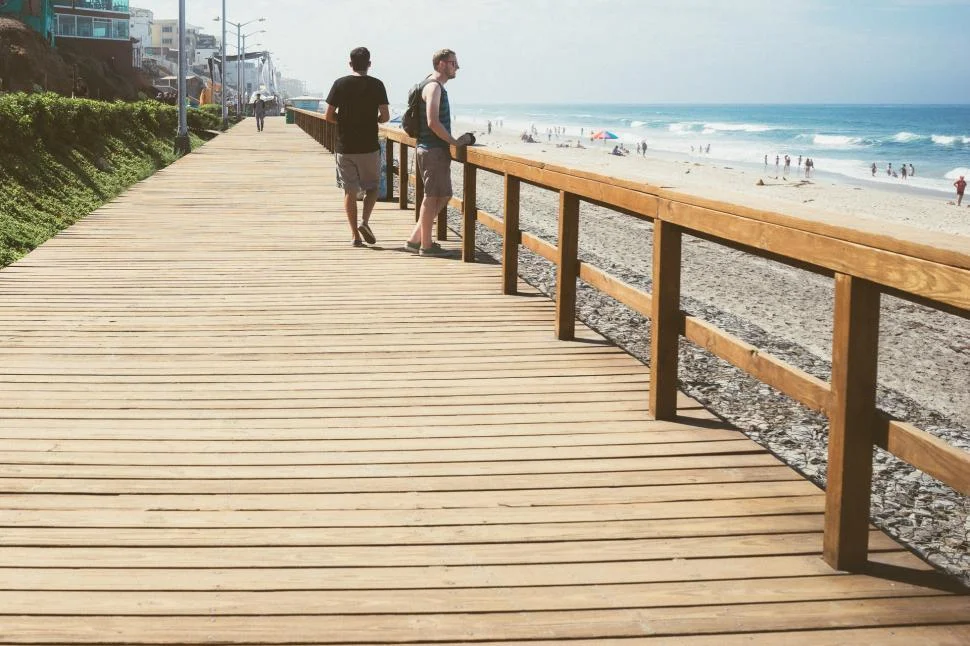
- Save on rentals, fuel, and parking
- Use transit passes instead of taxis
- Stay centrally to reduce transfers
- Walk to local eateries instead of tourist zones
Car-free travel almost always lowers daily costs.
Common Mistakes to Avoid
- Booking far from the beach to save money
- Ignoring terrain and heat
- Assuming all coastal cities are walkable
- Staying in resort zones outside town
- Not checking airport transport options
Walkability starts with accommodation choice.
Accessibility Considerations
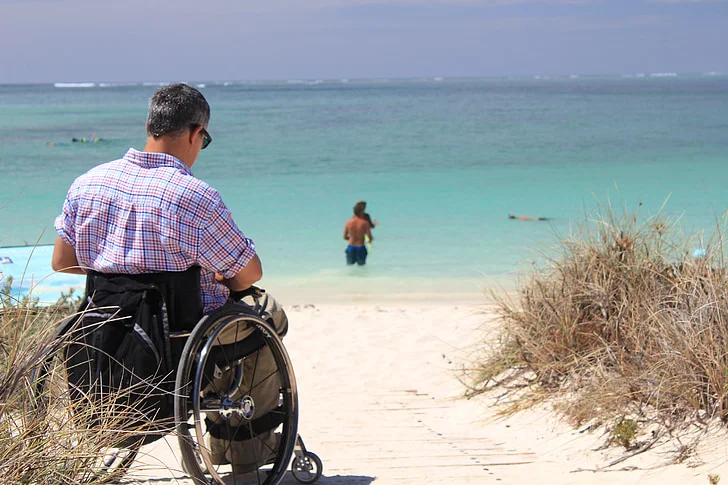
Many walkable beach cities now offer:
- Wheelchair friendly promenades
- Beach access ramps
- Public transport accessibility
Check official tourism accessibility pages before booking.
Packing for a Car-Free Beach City
Essentials:
- Comfortable walking shoes
- Lightweight daypack
- Reusable water bottle
- Portable charger
- Sun protection
- Compact rain layer
Travel light and mobility improves dramatically.
Final Thoughts
Walkable beach cities offer one of the most relaxed and rewarding ways to travel. Without a car, you move at the rhythm of the coast, discover local life, and remove unnecessary stress from your journey. Whether you prefer historic streets, lively promenades, or quiet seaside towns, the right walkable beach city turns simple travel into meaningful experience.
Stay tuned with us. Further, follow us on social media for the latest updates.
Join us on X, Instagram for the Latest Travel related updates.