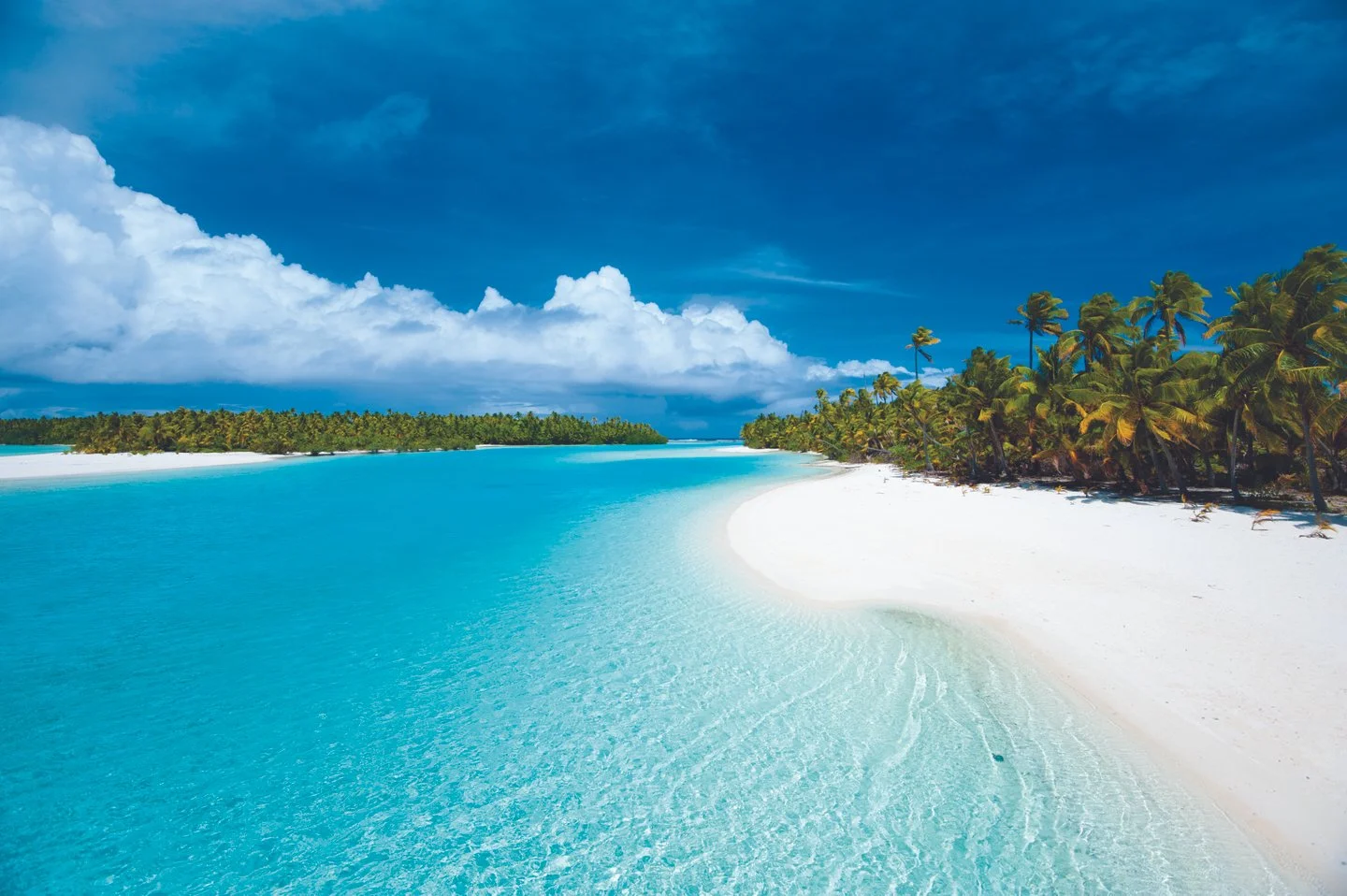

Crystal clear ocean water is one of the most powerful sights in travel. It creates an immediate emotional reaction and transforms an ordinary beach into an unforgettable destination, especially at beaches with clearest water, where every shade of blue feels almost unreal.
When water is truly clear, you can see the seabed beneath your feet, watch fish glide past without goggles, and feel a deeper connection to the natural environment.
What determines ocean water clarity
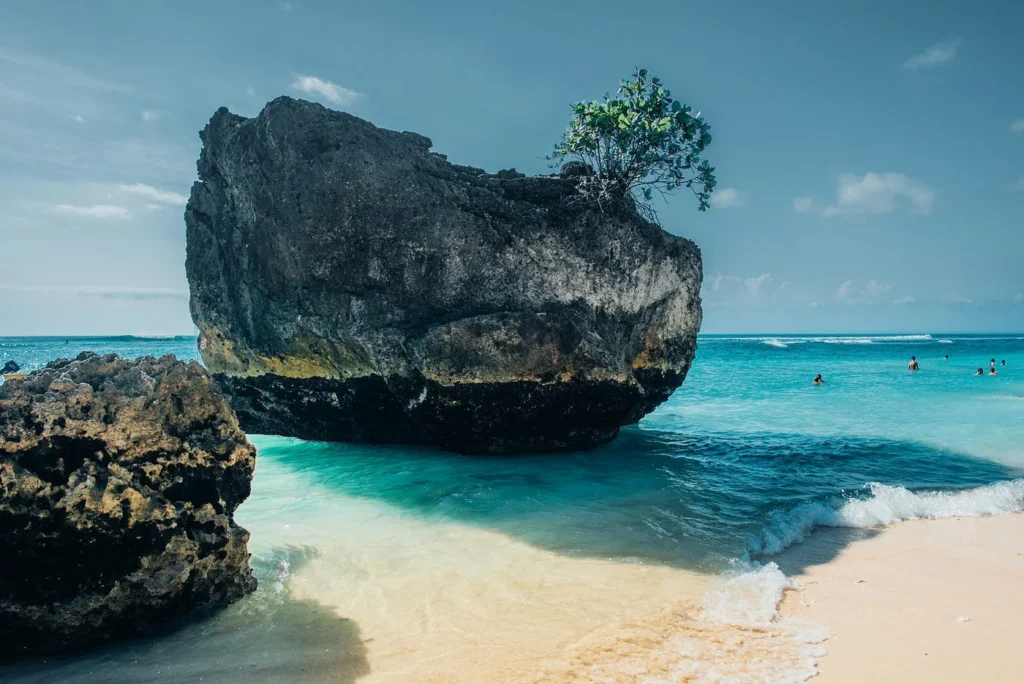
Water clarity is influenced by a combination of natural geography and human activity. The clearest beaches on Earth typically share several defining characteristics.
Low sediment levels are essential. Beaches without nearby rivers or runoff experience far less silt entering the ocean.
Coral reefs and sandbanks also play a major role by acting as natural wave barriers, preventing the seabed from being disturbed.
Plankton concentration affects clarity as well. While plankton is vital for marine ecosystems, high concentrations reduce visibility. This is why some nutrient rich waters appear green rather than blue.
Seabed composition matters significantly. White sand and coral reflect sunlight, enhancing brightness and visibility, while darker volcanic or rocky seabeds absorb light.
Finally, coastal development strongly influences clarity. Beaches with strict building regulations, marine protected areas, and limited boat traffic consistently maintain clearer water than overdeveloped coastlines.
How water clarity is measured

Scientists commonly use a method called Secchi depth to measure clarity. A circular disk is lowered into the water until it disappears from view. The depth at which it vanishes indicates water transparency.
Divers also measure horizontal visibility, while satellites now track turbidity and sediment concentration from space.
For travelers, consistent reports of high underwater visibility, calm seas, and reef protection usually indicate excellent clarity.
Beaches with the clearest water in the world
Whitehaven Beach

Whitehaven Beach is widely regarded as one of the clearest beaches on Earth. Its sand is composed almost entirely of silica, which reflects sunlight intensely and does not cloud the water. The result is a striking palette of white, turquoise, and deep blue.
The beach lies within a protected national park and has no permanent structures. Access is controlled by licensed operators, which helps maintain pristine conditions.
Best time to visit is between April and October when seas are calm and visibility is highest. The shallow waters near Hill Inlet are often clear enough to see sand ripples from above the surface.
Grace Bay Beach
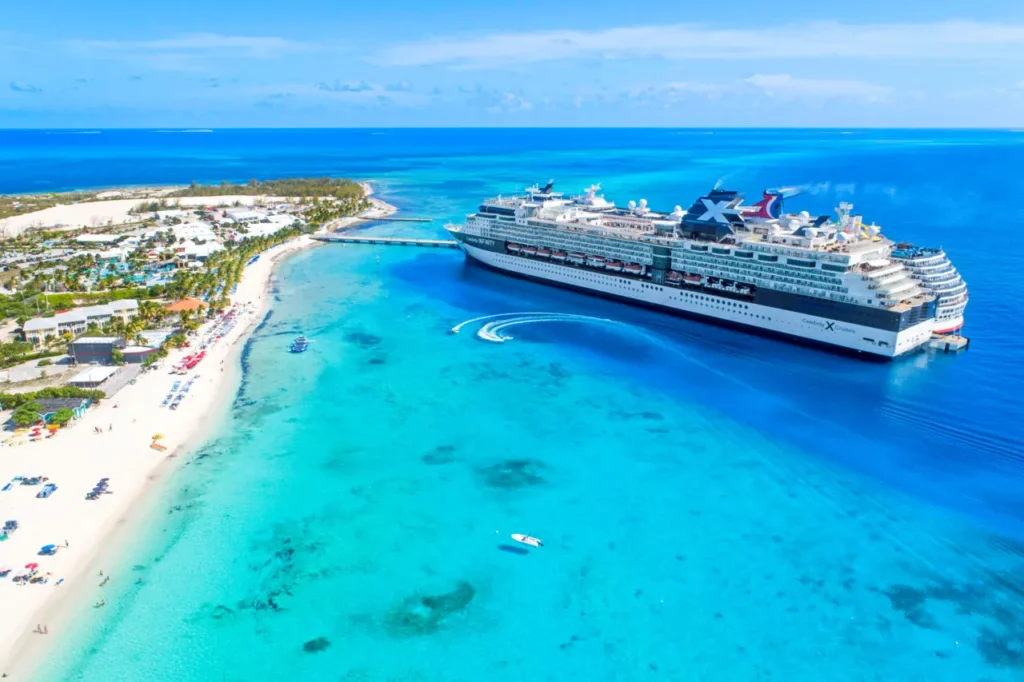
Grace Bay is consistently ranked among the clearest beaches in the Caribbean. Its offshore barrier reef reduces wave action, keeping sand undisturbed and water calm.
The seabed slopes gently, allowing sunlight to penetrate deeply across a wide area. Even novice swimmers can experience exceptional clarity close to shore.
Peak clarity occurs from December to April during the dry season. Despite development nearby, strict coastal management has preserved water quality.
Anse Source d’Argent
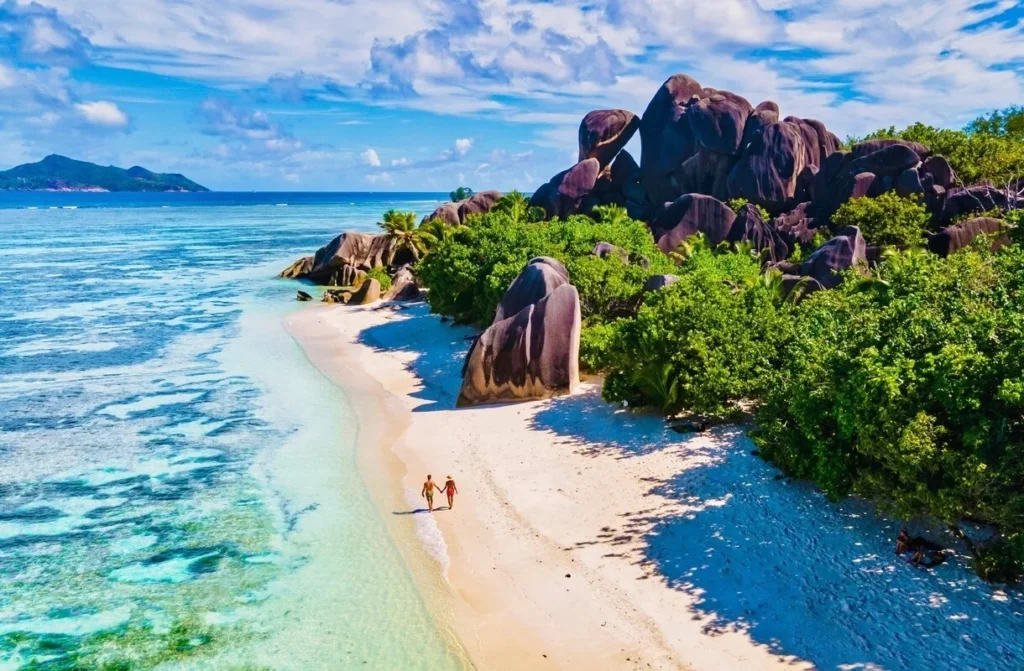
Anse Source d’Argent is famous for its granite boulders, but its lagoon water is equally remarkable. Coral reefs shield the beach from strong currents, creating warm, shallow, crystal clear water.
Visibility remains high throughout most of the year, particularly during calmer months between April and October. The lagoon is ideal for gentle snorkeling and wading.
Crowds can affect the experience, so early morning visits offer the clearest conditions and best light.
Matira Beach
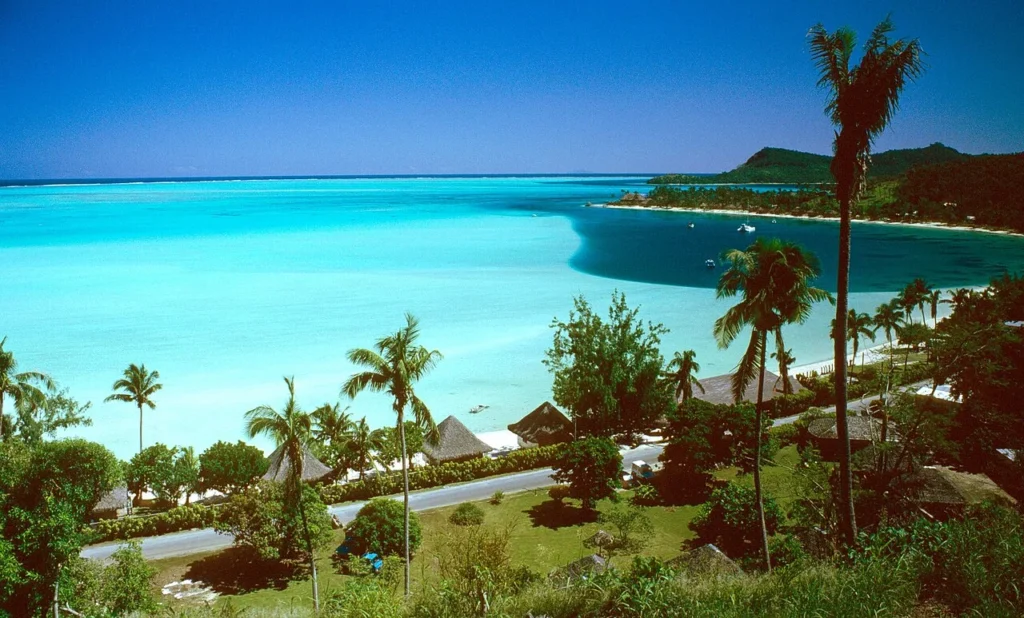
Matira Beach sits inside Bora Bora’s legendary lagoon, protected by a coral ring that filters waves and sediment. The water is exceptionally clear and shallow, with vibrant marine life visible from shore.
From May to October, dry weather and light winds produce near perfect conditions. Fish, rays, and coral formations are easily visible without diving equipment.
Matira remains public access, making it one of the most accessible ultra clear beaches in the South Pacific.
Baía do Sancho

Baía do Sancho combines isolation with strict environmental protection. Access is limited, visitor numbers are capped, and marine regulations are enforced.
The result is deep turquoise water with remarkable visibility. Sea turtles and reef fish are frequently seen just offshore.
The clearest conditions occur between August and December. Conservation fees directly support ecosystem preservation.
Exuma Cays
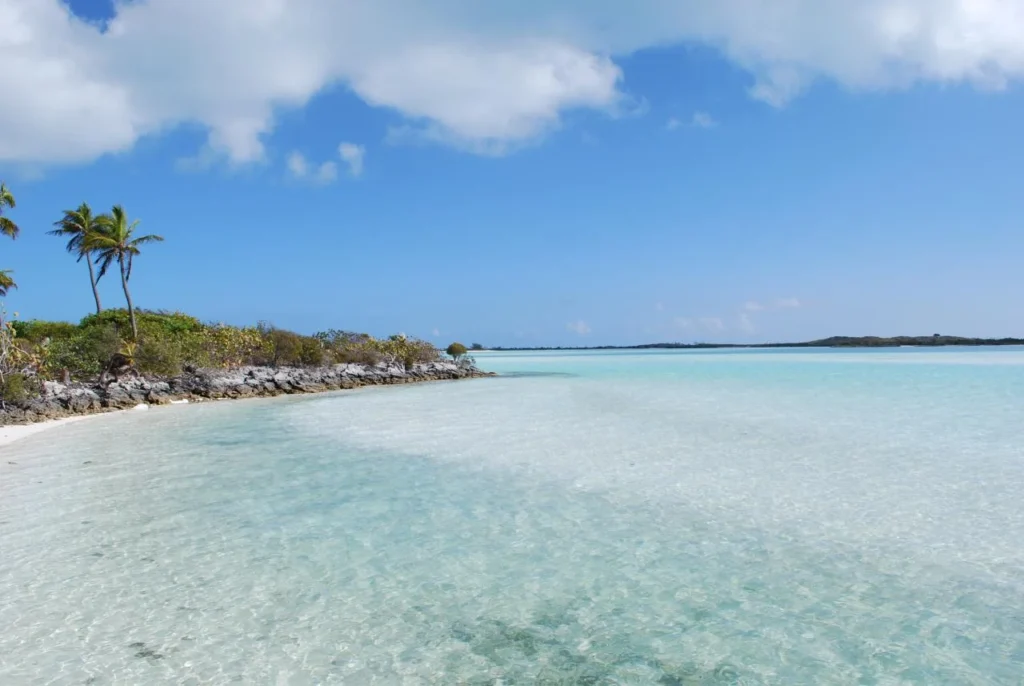
The Exuma Cays are known for surreal shades of blue and extraordinary transparency. Shallow sandbars allow travelers to see the ocean floor even from boats.
Minimal development and limited runoff help preserve clarity, although increased tourism has raised conservation concerns. Responsible operators now emphasize low impact experiences.
The best time to visit is November to April for calm seas and maximum visibility.
Veligandu Island
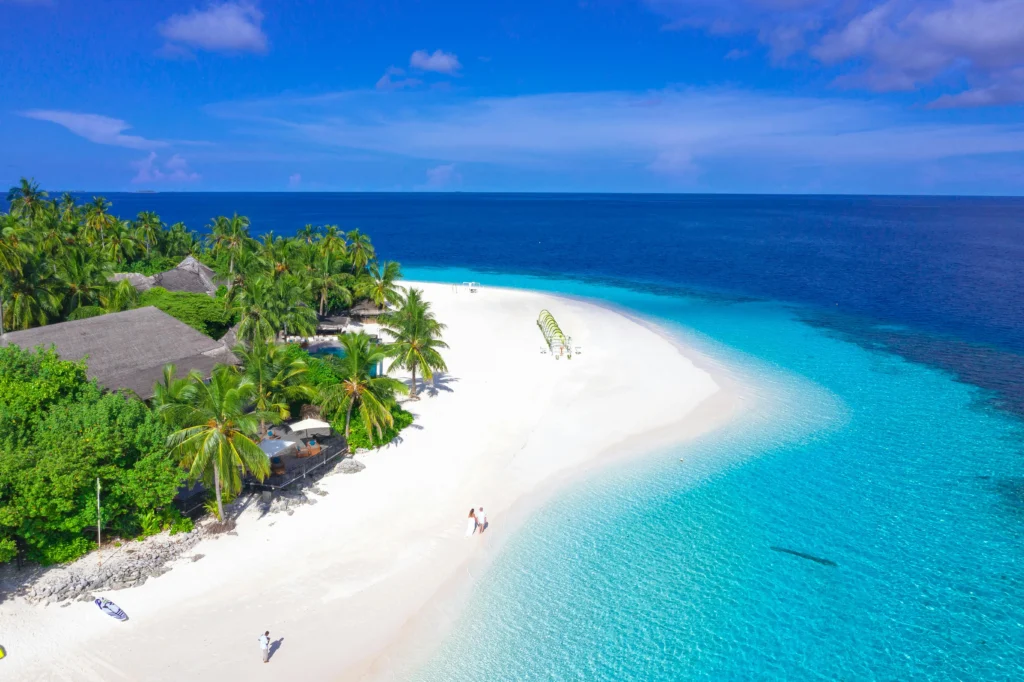
The Maldives are synonymous with clear water, and Veligandu exemplifies this reputation. Coral reefs encircle the island, acting as natural filters.
Visibility often exceeds thirty meters during dry season months from November to April. House reef snorkeling offers unmatched clarity directly from the beach.
Sustainable resorts play a critical role in preserving these fragile ecosystems.
Playa de Ses Illetes

Ses Illetes proves that crystal clear water exists beyond the tropics. On calm days, this Mediterranean beach rivals Caribbean visibility.
Shallow sandbanks and protected waters allow sunlight to penetrate deeply. Posidonia seagrass beds help stabilize sediment and improve water quality.
The best clarity occurs between May and September, especially early in the morning.
Seven Mile Beach
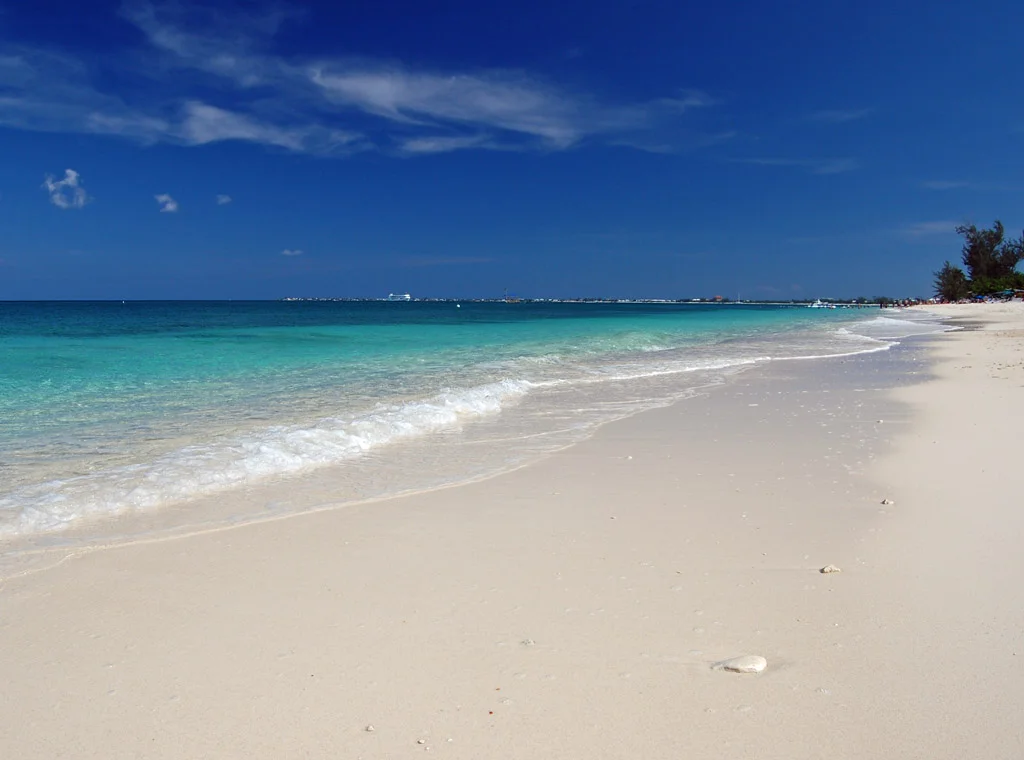
Seven Mile Beach benefits from offshore reefs and careful coastal planning. Despite nearby resorts, water clarity remains consistently high.
Dry season months between November and April offer the best conditions. Calm seas make this beach ideal for beginner snorkelers.
Navagio Beach
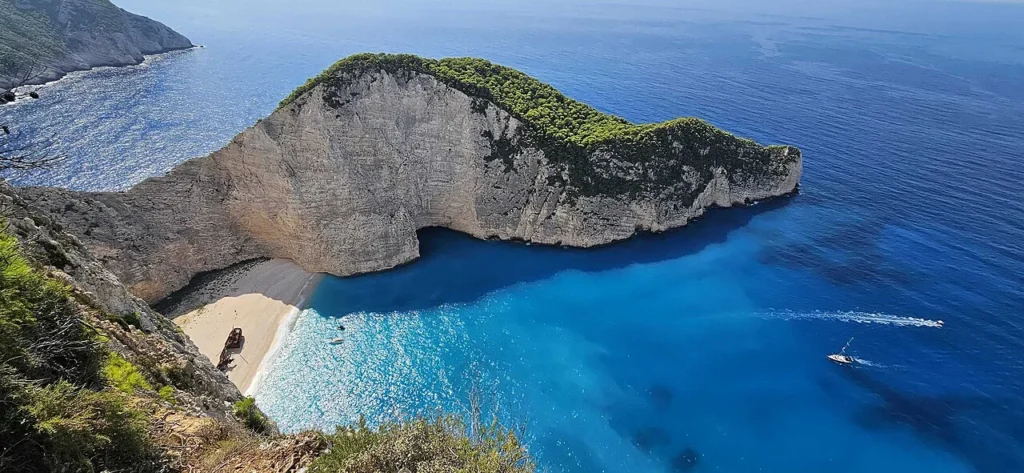
Navagio Beach is enclosed by limestone cliffs that shelter the cove from wind and waves. Sunlight refracts dramatically through its clear blue water.
Boat access limits foot traffic, helping preserve clarity. The best conditions occur from May to September.
Nacpan Beach
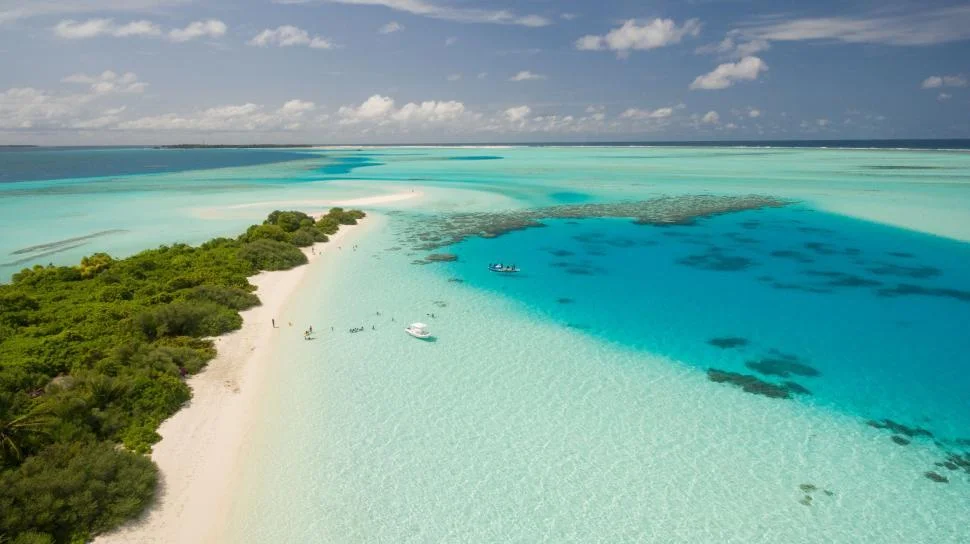
Nacpan Beach benefits from low development and strong environmental awareness. Clear water and sandy seabeds provide excellent visibility.
Dry season from November to May delivers the best experience. Local guides play a key role in conservation.
Best time of day for maximum clarity
Early morning offers the calmest surface conditions. Wind typically increases later in the day, disturbing sediment and reducing visibility. Clear skies and high sun angles enhance color and transparency.
Photography tips for clear water beaches
Use a polarizing filter to reduce glare. Shoot during mid morning when sunlight penetrates the water vertically. Include swimmers or boats to show scale and depth. Aerial photography best captures clarity gradients.
Why conservation directly affects water clarity
Clear water is fragile. Coral damage, boat anchors, sunscreen chemicals, and uncontrolled tourism quickly degrade visibility.
Beaches on this list remain clear because access is regulated, marine life is protected, and development is limited. Responsible travel choices directly influence how long these environments remain pristine.
Frequently asked questions
Ans. No. Strong currents and sudden depth changes can exist even in clear water. Always follow local guidance.
Ans. Often yes, but biodiversity and coral health are better indicators than clarity alone.
Ans. Yes. Climate patterns, storms, and human activity all affect long term clarity.
Conclusion
The clearest beaches in the world are not accidents of nature. They are the result of geography, science, and responsible stewardship.
Travelers who seek these places also carry responsibility to protect them.
By understanding what creates crystal clear water and choosing ethical travel practices, visitors help preserve these extraordinary beaches for future generations.
Stay tuned with us. Further, follow us on social media for the latest updates.
Join us on X, Instagram for the Latest Travel related updates.