
Beaches are often imagined as places of rest, sun, and simple beauty. Yet in a few extraordinary corners of the world, coastlines transform into something far more magical, shaped by rare beach phenomenon found nowhere else.
Glowing shorelines, pink and green sands, beaches made of ice or glass, and oceans that appear to flow like waterfalls are not myths or camera tricks. They are rare beach phenomena, created by precise combinations of geology, tides, climate, biology, and light.
What makes a beach phenomenon truly rare

A beach phenomenon earns the label rare when it meets one or more of these conditions:
- It exists in only a handful of locations worldwide
- It appears only under very specific natural conditions
- It occurs seasonally or unpredictably
- It depends on fragile ecosystems that are disappearing
These are not guaranteed attractions. Many require patience, timing, and respect for nature. That uncertainty is exactly what makes them unforgettable.
1. Bioluminescent beaches with glowing waves
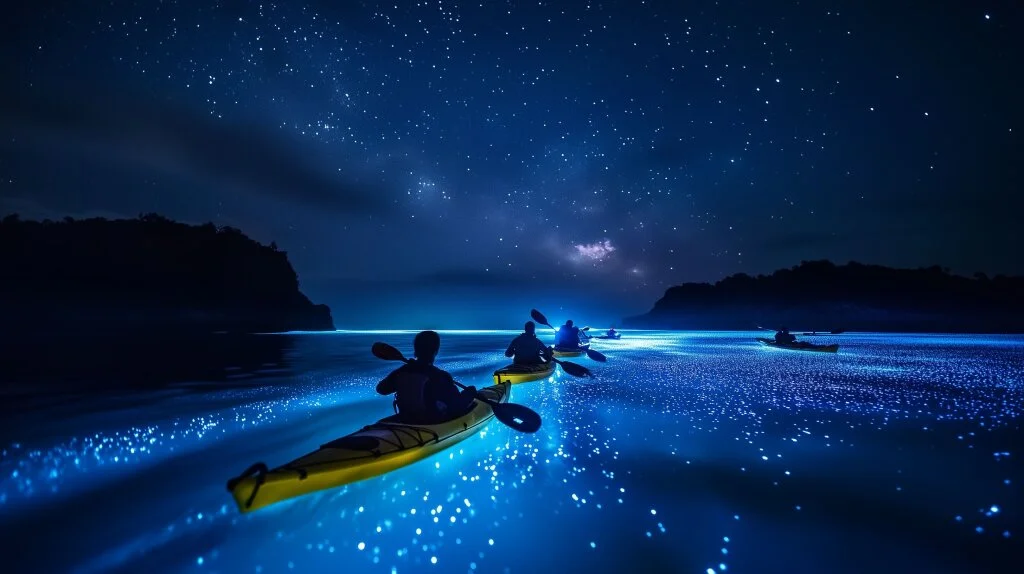
Walking along a shoreline that lights up beneath your feet feels like stepping into another world. This phenomenon is caused by microscopic plankton called dinoflagellates that emit light when disturbed.
Where to experience it
- Vaadhoo Beach
- Mosquito Bay
- Jervis Bay
Best time to visit
Warm months with calm seas and minimal moonlight provide the best chance. Moonless nights reveal the strongest glow.
Why it is rare
Bioluminescence depends on plankton concentration, water temperature, pollution levels, and wave activity. A slight environmental change can cause it to vanish overnight.
Safety and conservation
Do not swim into glowing water and avoid excessive disturbance. These organisms are sensitive, and over-tourism can permanently destroy the phenomenon.
2. The Sea of Stars effect
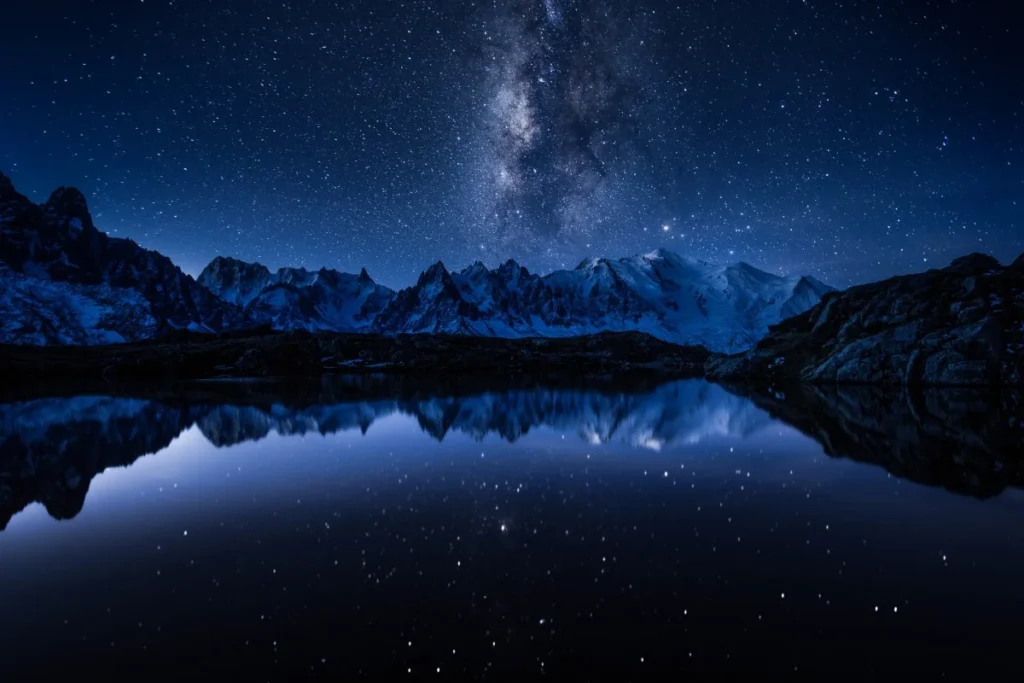
Often confused with glowing waves, the Sea of Stars appears as thousands of tiny blue lights scattered across still water, resembling a night sky reflected on the ocean.
Where to see it
- Vaadhoo Beach
- Select lagoons in Southeast Asia and the Caribbean
Why it is special
Unlike crashing waves, this effect occurs in calm, shallow water. It feels intimate and surreal.
Predictability
Low. Calm conditions, high plankton density, and low light pollution must align perfectly.
3. Pink sand beaches
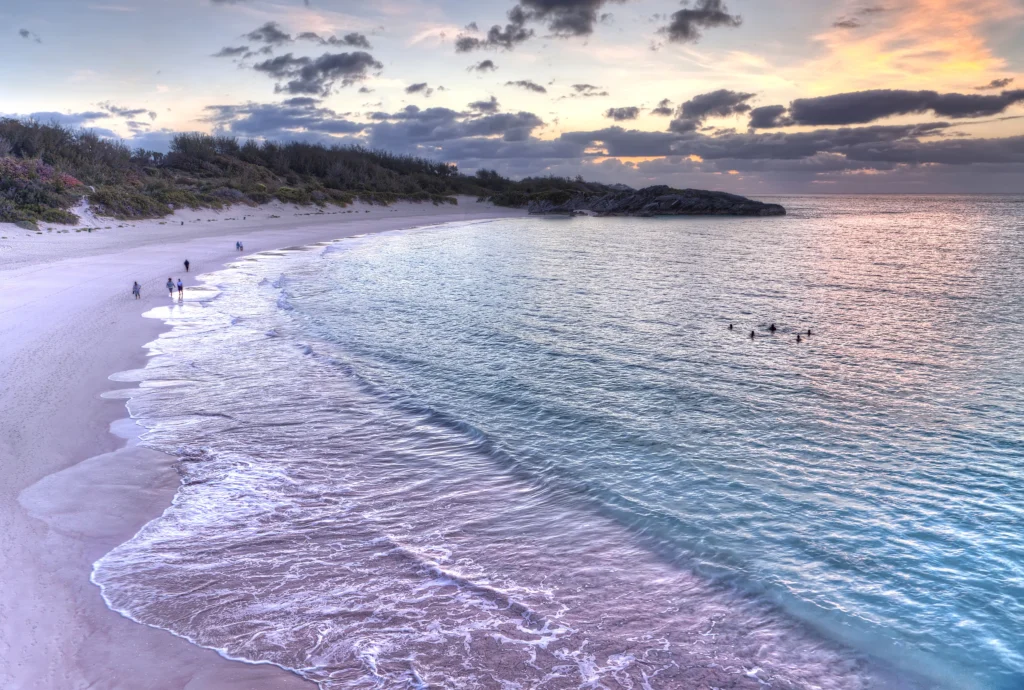
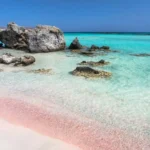
Pink sand beaches look like they belong in a dream, but their color is real. It comes from crushed red coral fragments and microscopic organisms mixing with white sand.
Where to see pink sand
- Pink Sands Beach
- Pink Beach
- Elafonissi Beach
Best viewing time
Early morning or late afternoon light enhances the pink tones.
Why it is becoming rarer
Pink sand depends on healthy coral ecosystems. As reefs decline globally, these beaches are slowly losing their color.
Legal note
Removing sand is illegal in many locations and permanently damages the beach.
4. Green, red, and black sand beaches
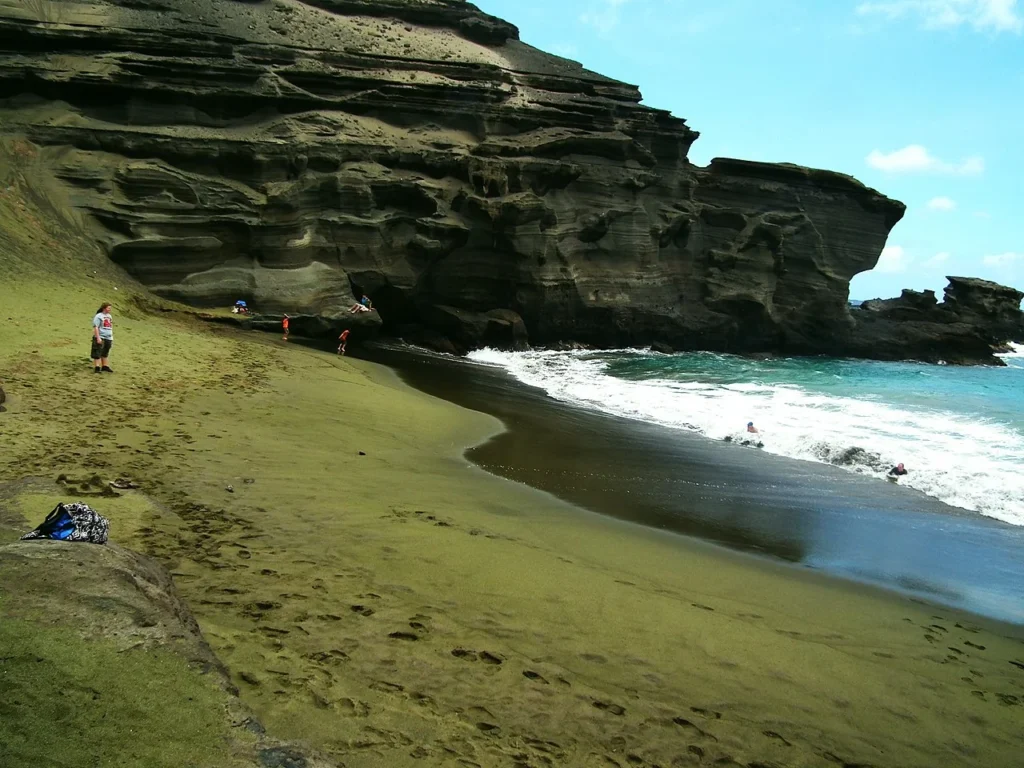
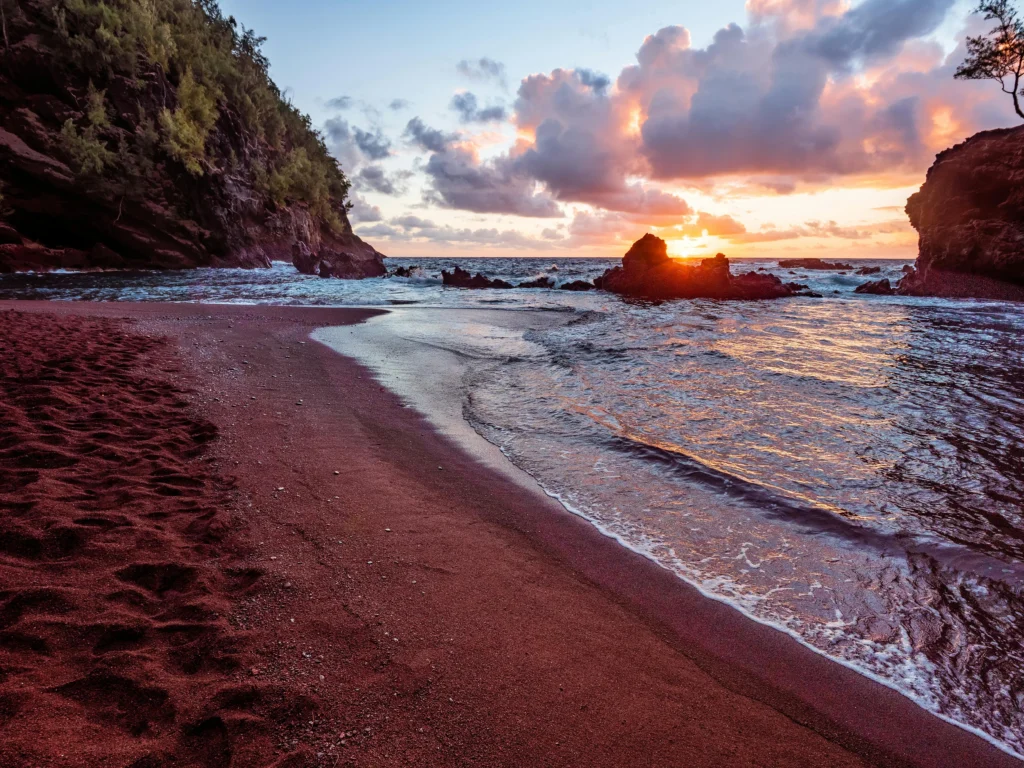

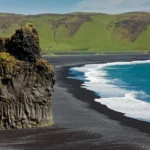
Some beaches are colored not by coral but by minerals formed through volcanic activity.
Where to experience them
- Papakōlea Beach for green sand
- Red Beach for red sand
- Volcanic coastlines in Iceland and Indonesia for black sand
Why they are rare
These sands require specific mineral compositions and geological conditions. Once eroded or removed, they do not regenerate.
5. Sea glass beaches
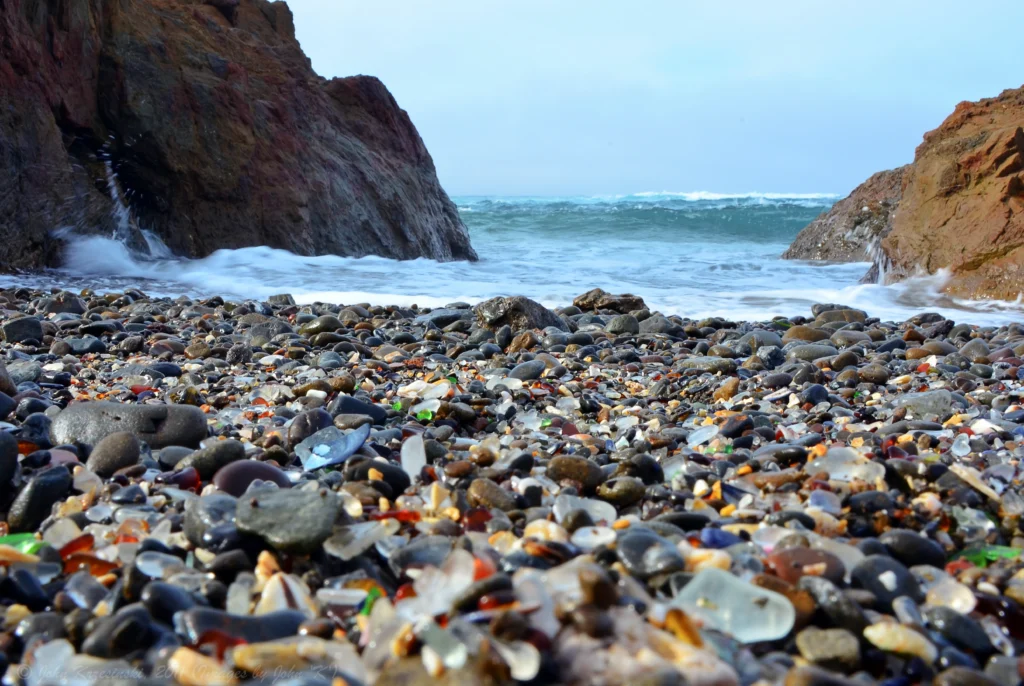
Sea glass beaches shimmer with smooth, colorful stones formed when ocean waves polish discarded glass over decades.
Where to see them
- Glass Beach
- Ussuri Bay
Why they are disappearing
Cleanup efforts mean no new glass enters the sea. Existing glass slowly erodes or is removed by visitors.
Important rule
In many protected areas, collecting sea glass is illegal.
6. Horizontal waterfalls
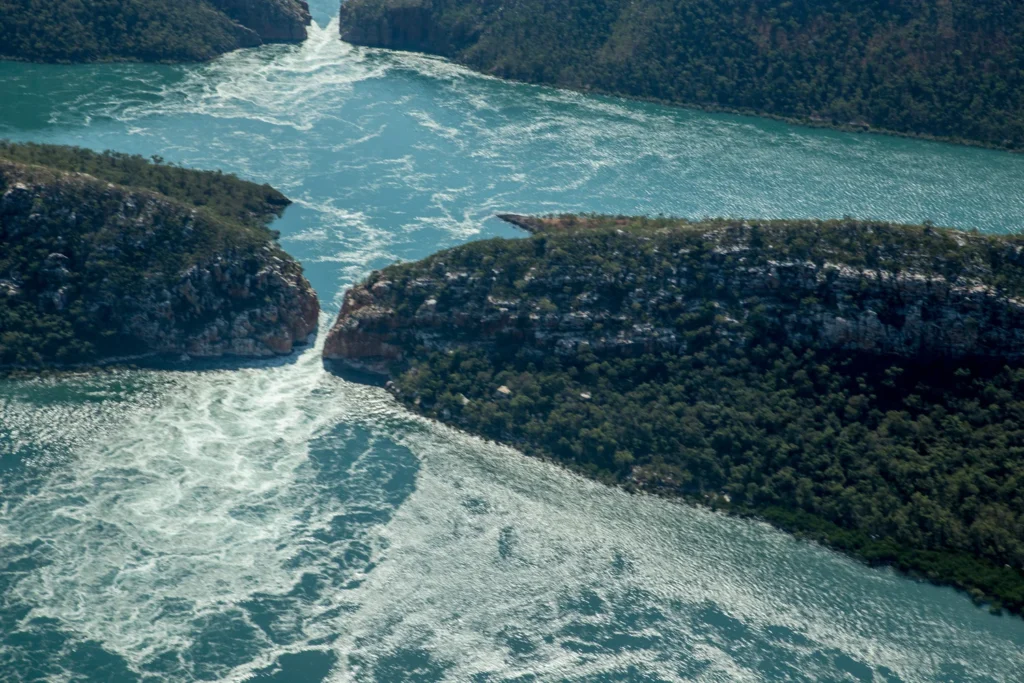
Horizontal waterfalls occur when massive tides force seawater through narrow coastal gorges, creating the illusion of a waterfall flowing sideways.
Where to see them
- Horizontal Falls
Why they exist
This phenomenon requires extreme tidal ranges and precise rock formations. Very few places on Earth meet these conditions.
Viewing advice
Only observe via guided boat or aerial tours. The currents are extremely dangerous.
7. Ice beaches and diamond ice
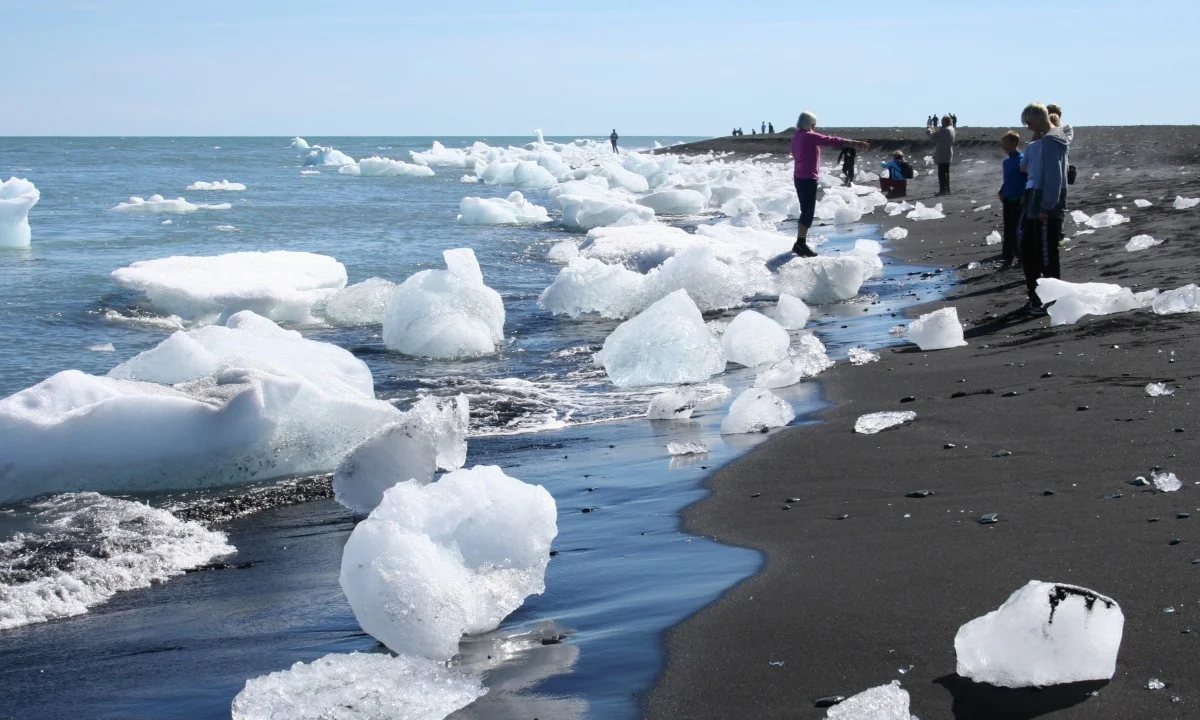
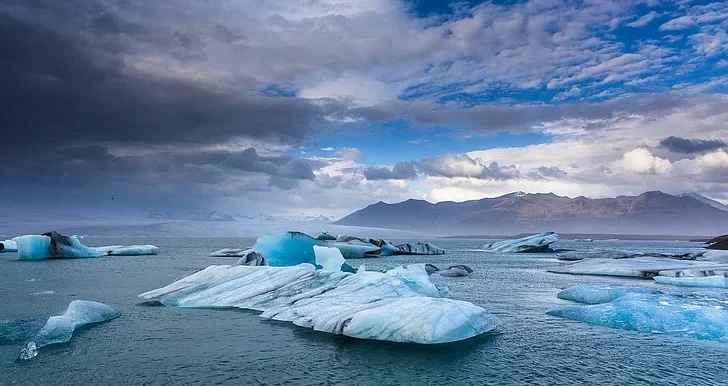
On certain black sand beaches, chunks of glacial ice wash ashore and sparkle like diamonds.
Where to see it
- Diamond Beach
Best time
Winter months offer the most dramatic ice formations.
Safety warning
Waves can move ice suddenly. Keep distance and never turn your back to the ocean.
8. Singing and booming sand beaches
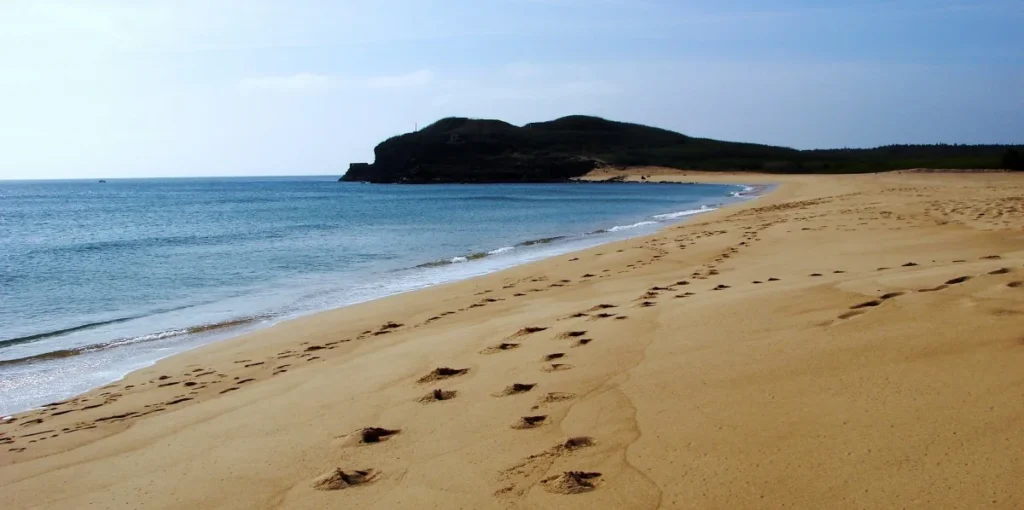
Some beaches produce sounds when walked upon, ranging from squeaks to deep humming or booming noises.
Where it occurs
- Coastal dunes in China and Morocco
- Sand formations near Sand Mountain
Why it is rare
The sand grains must be uniform in size, extremely dry, and free of impurities.
9. Beaches with liquid or shifting sand
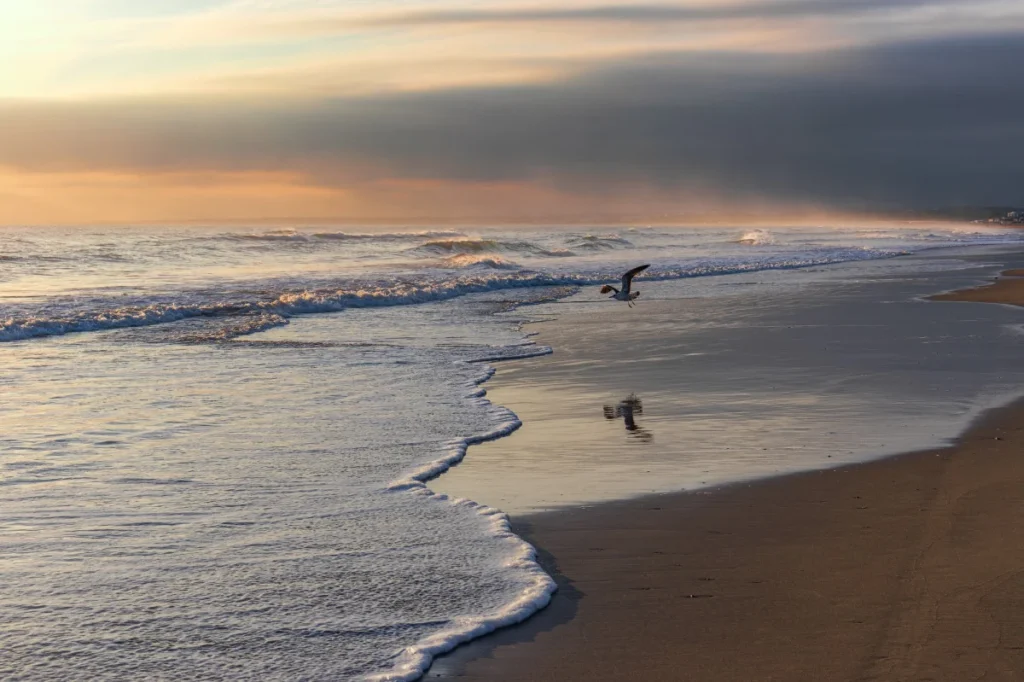
Certain coastlines behave almost like quicksand due to water saturation and fine sediment.
Where to be cautious
- Parts of Morecambe Bay
Important note
Always explore with local guides. Tides and shifting sand can be life-threatening.
10. Mirror beaches and perfect reflections
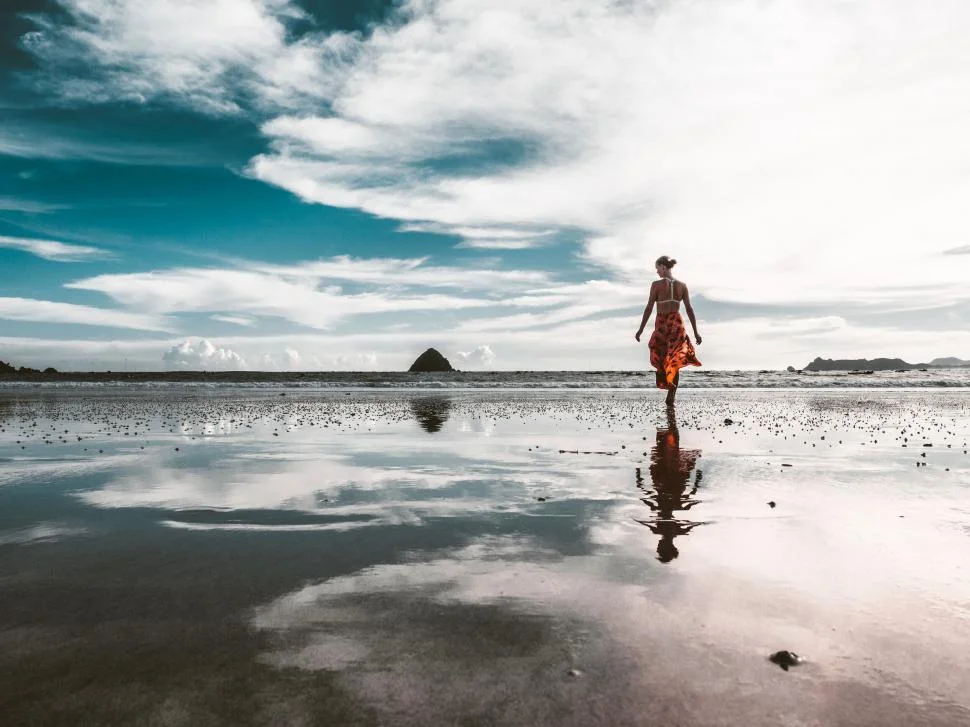
At low tide, ultra-smooth wet sand can reflect the sky like glass, creating mirror-like landscapes.
Where to see it
- Tidal flats in France and the Netherlands
- Coastal areas near Salar de Uyuni
Best conditions
Low tide, minimal wind, and soft light.
Predictability vs unpredictability
Understanding expectations improves travel satisfaction.
More predictable
- Ice beaches
- Colored sand beaches
- Sea glass beaches
Less predictable
- Bioluminescent waves
- Sea of Stars effect
- Mirror beaches
Climate change and why many of these may disappear
Many rare beach phenomena are already shrinking due to:
- Rising sea temperatures
- Coral reef loss
- Glacier retreat
- Coastal erosion
- Light and water pollution
Seeing these places responsibly now may truly be a once-in-a-lifetime experience.
Best global seasons by region
- Tropical regions: Dry season, usually November to April
- Temperate coasts: Late spring through early autumn
- Southern hemisphere: October to April
- Polar regions: Winter for ice beaches
Always check tides, moon phases, and local forecasts.
Cost and accessibility considerations
- Bioluminescent beaches are often low cost but time-sensitive
- Ice beaches and horizontal waterfalls require higher budgets
- Some beaches require boats or guided access
- Night phenomena may not suit young children
Safety rules for rare beach phenomena
- Never assume glowing water is safe
- Avoid unstable cliffs and ice formations
- Respect tides and sudden surges
- Follow park rules and local guidance
Conservation and ethical viewing
These beaches survive only if visitors act responsibly.
- Use reef-safe sunscreen
- Do not remove sand, glass, or stones
- Avoid flash photography at night
- Respect visitor caps and closures
- Support local conservation efforts
Photography tips
- Use tripods and long exposures for night phenomena
- Polarizing filters enhance colored sand
- Golden and blue hour offer the best light
- Follow drone regulations strictly
Why these experiences are truly once in a lifetime
These phenomena qualify because:
- They cannot be scheduled reliably
- They exist in very few places
- Many are actively disappearing
- Photos cannot replicate being there
Frequently Asked Questions
A: Rare beach phenomena are unusual natural events or formations that occur on very few beaches worldwide due to unique geological or environmental conditions.
A: No, but swimmers should avoid disturbing marine life and follow local safety guidelines.
A: Their color comes from coral fragments or mineral deposits caused by volcanic or geological activity.
A: Yes, many are threatened by climate change, pollution, and over-tourism.
Final thoughts
Rare beach phenomena remind us that Earth is alive, complex, and fragile. These shores are not just destinations. They are fleeting moments of natural wonder shaped by forces far older than us. To see them is a privilege. To protect them is a responsibility.
Stay tuned with us. Further, follow us on social media for the latest updates.
Join us on X, Instagram for the Latest Travel related updates.