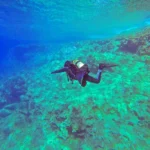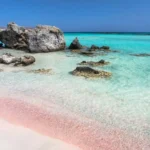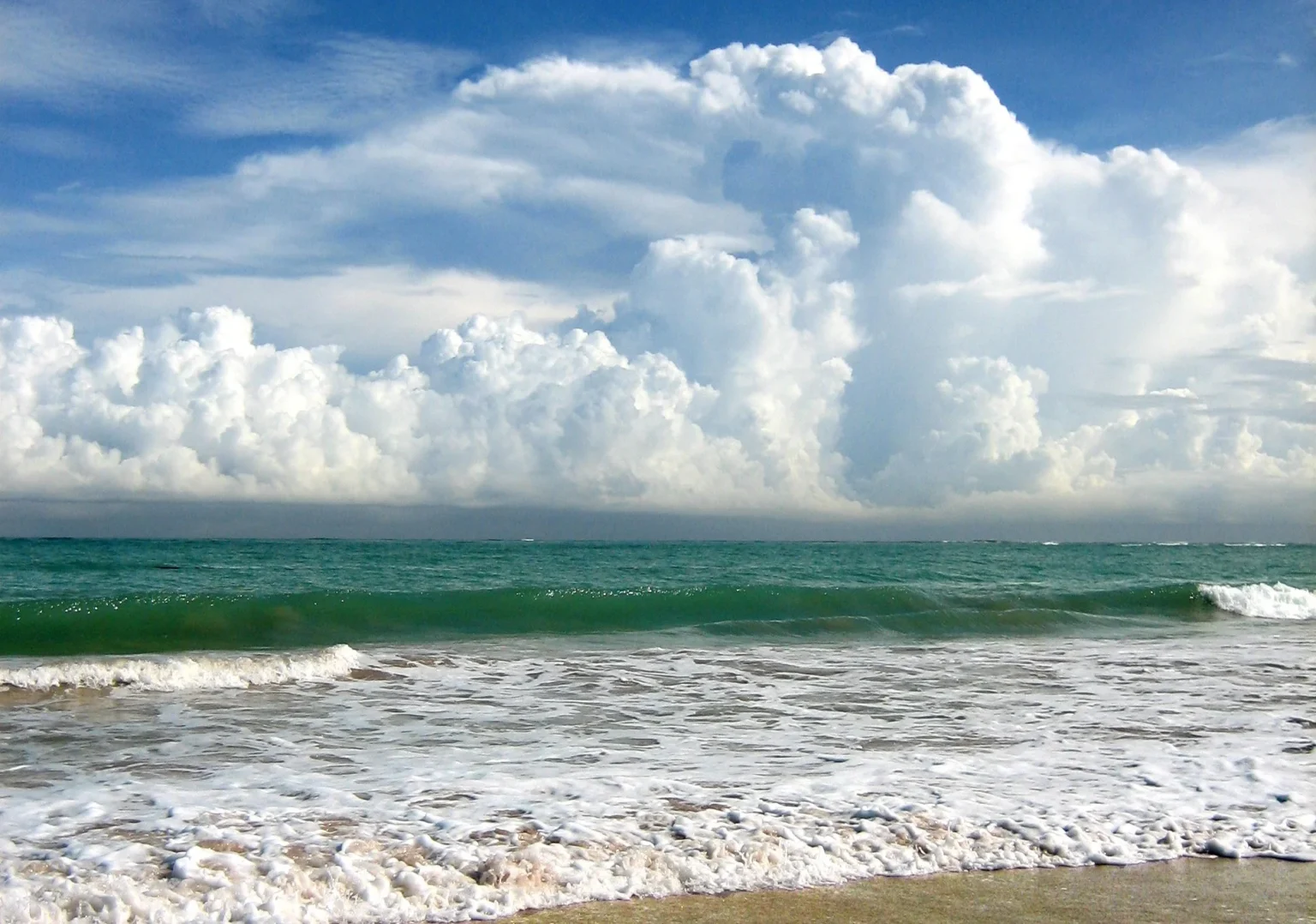

When most people dream of tropical beaches, they picture swaying palms, calm turquoise water, and long, sun-soaked days that feel untouched by stress or unpredictability. But experienced travelers know that not all tropical destinations are created equal.
Many of the world’s most famous beach regions come with a seasonal downside: hurricanes, cyclones, or typhoons that can disrupt trips, cancel flights, and turn a dream vacation into a logistical headache.
The good news? There are tropical beach destinations around the world that sit outside major hurricane and cyclone belts, offering warm weather, clear seas, and reliable conditions throughout the year.
These places aren’t just safer, they often deliver a more relaxed, predictable travel experience, especially for winter travelers, families, honeymooners, and digital nomads.
This guide explores why some tropical beaches avoid severe storms, where to find them, and how to choose a destination that offers sunshine without the seasonal anxiety.
Why Some Tropical Beaches Don’t Get Hurricanes or Cyclones

Tropical storms don’t form randomly. Hurricanes in the Atlantic and eastern Pacific, cyclones in the Indian Ocean, and typhoons in the western Pacific develop under very specific conditions: warm sea surface temperatures, low wind shear, and certain atmospheric patterns.
Several geographic factors protect some regions:
- Proximity to the Equator, where the Coriolis effect is too weak to spin storms
- Cold ocean currents that prevent storm intensification
- Stable high-pressure systems that suppress cyclone formation
- Mountainous landmasses that disrupt developing storms
Understanding these patterns explains why certain tropical beach destinations remain calm and storm-free while others face annual storm seasons.
The Safest Tropical Regions Without Hurricanes or Cyclones
1. Near-Equatorial Destinations (Low Storm Risk)

Storm systems rarely form within about 5 degrees north or south of the equator. This makes equatorial regions some of the most reliable tropical beach destinations on Earth.
Top examples include:
- Maldives
Located near the equator in the Indian Ocean, the Maldives experiences minimal cyclone activity. Weather remains warm year-round, with calm seas dominating most months. Even during monsoon seasons, storms tend to be short-lived rather than destructive. - Singapore and Southern Malaysia
While not traditional “island escape” beaches, these areas enjoy stable tropical conditions without hurricanes or cyclones, making them ideal for predictable travel. - Equatorial Indonesia (Bali, Lombok, Raja Ampat)
Indonesia sits largely outside cyclone zones. While rainfall varies seasonally, destructive storms are rare, and sea conditions remain safe most of the year.
2. Southern Caribbean: The Hurricane-Free Zone
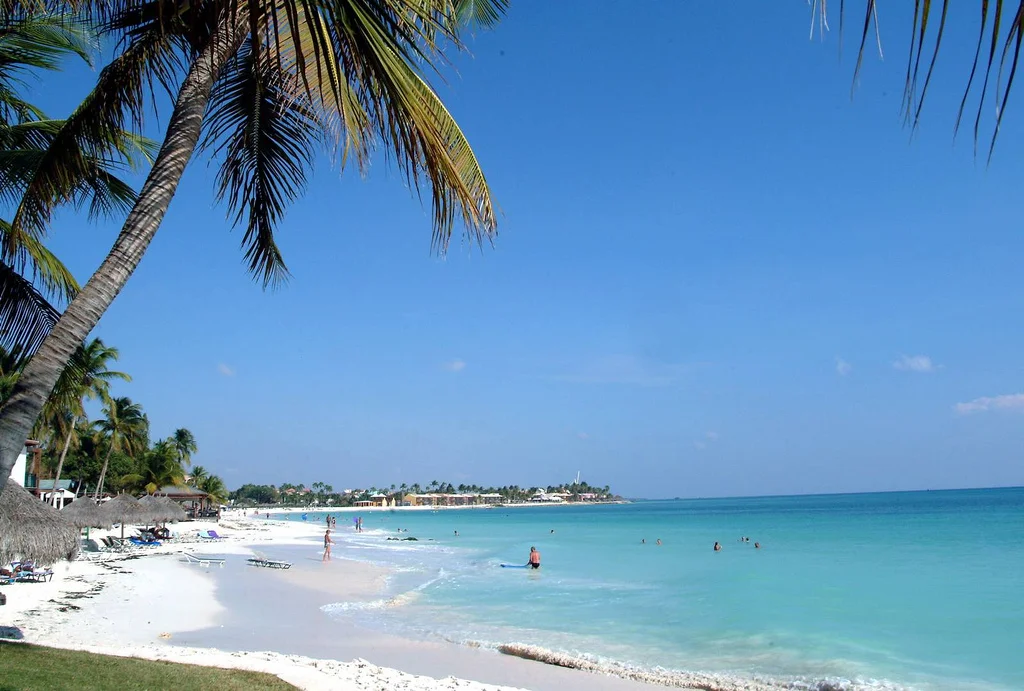
Not all Caribbean beaches are equally exposed. The southern Caribbean lies below the main Atlantic hurricane belt, making it one of the best tropical regions for storm-free travel.
Best hurricane-free Caribbean beaches:
- Aruba
Famous for its desert-like climate, Aruba enjoys sunshine almost year-round and rarely experiences tropical storms. Trade winds keep temperatures comfortable, and rainfall is minimal. - Bonaire and Curaçao
These Dutch Caribbean islands offer calm seas, excellent diving, and a near-total absence of hurricanes. They are particularly popular with travelers who want reliability during peak hurricane months. - Southern Coast of Colombia (San Andrés & Providencia)
These islands sit well south of major storm tracks and combine Caribbean beauty with low cyclone risk.
3. Indian Ocean Destinations With Minimal Cyclone Impact
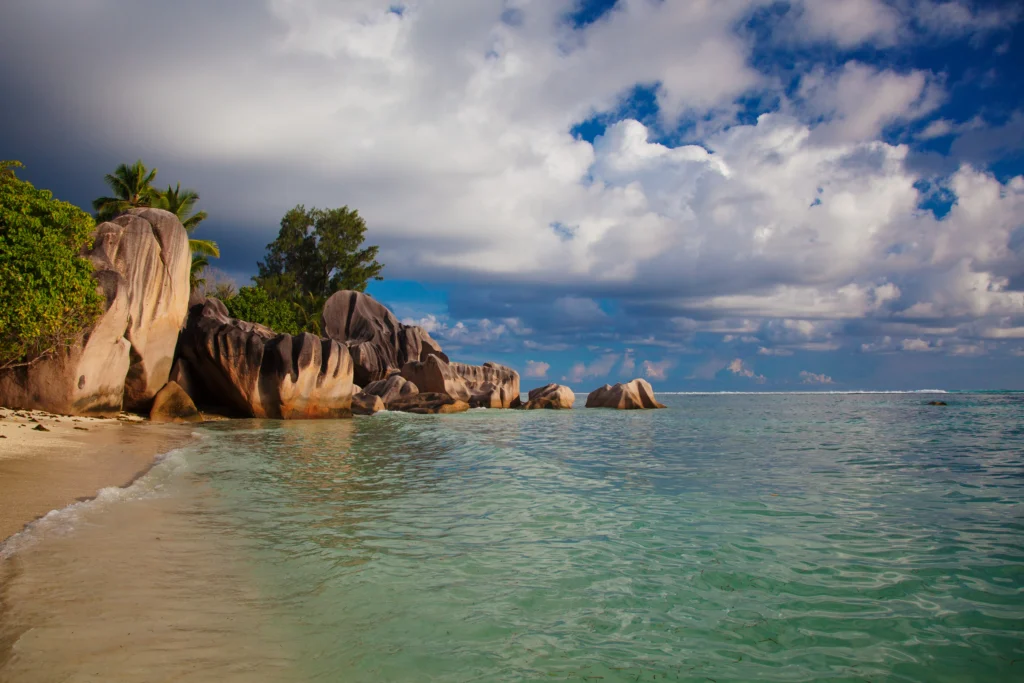
While parts of the Indian Ocean do experience cyclones, several key destinations remain largely unaffected due to location and oceanic conditions.
Top choices include:
- Sri Lanka (West and South Coasts)
Cyclones rarely impact Sri Lanka’s southern and western beaches. Destinations like Bentota, Mirissa, and Unawatuna enjoy stable beach conditions for much of the year. - Zanzibar (Tanzania)
Positioned close to the equator, Zanzibar experiences warm, calm waters and limited storm activity, making it a favorite for honeymooners and slow travelers. - Seychelles
Another near-equatorial paradise, Seychelles avoids major cyclones and offers consistent tropical weather, clear waters, and pristine beaches.
4. Pacific Islands Outside Typhoon Zones
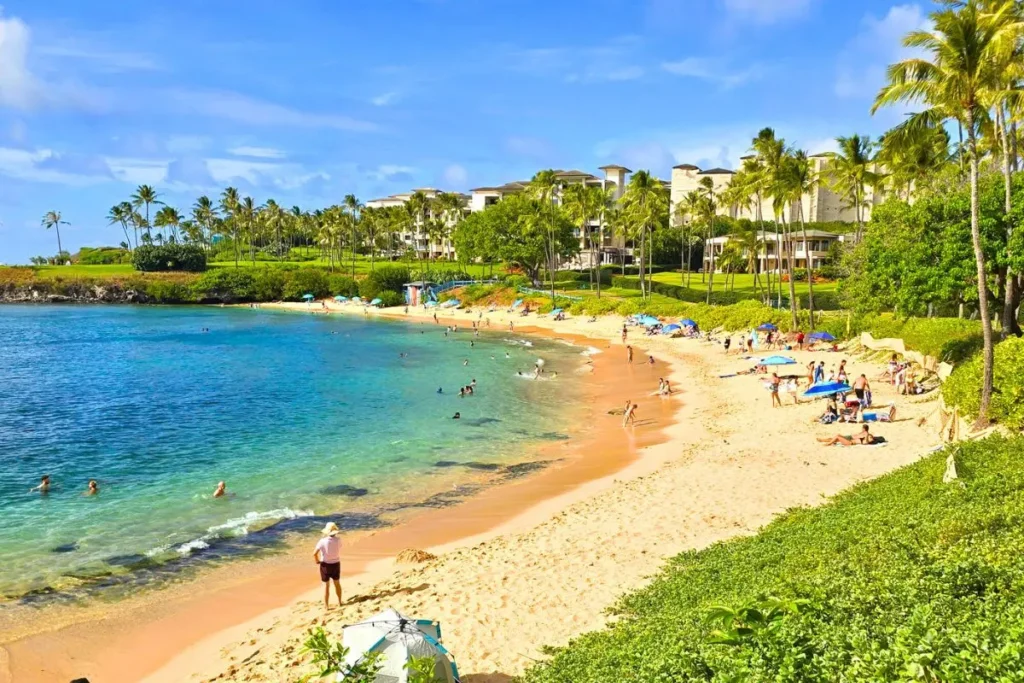
Typhoons dominate parts of the western Pacific, but several island groups lie safely outside the danger zone.
Notable storm-safe Pacific destinations:
- Fiji (Most Regions)
While Fiji can experience occasional cyclones, many islands are shielded, and destructive storms are infrequent compared to typhoon-prone regions. - French Polynesia (Tahiti, Bora Bora)
Cyclone risk exists but is extremely low and limited to specific months. Most of the year offers tranquil conditions and crystal-clear lagoons. - Hawaii (Generally Safe)
Hurricanes are rare due to cold ocean currents and wind shear. Most systems weaken before reaching the islands.
Why These Destinations Are Ideal for Winter Travel
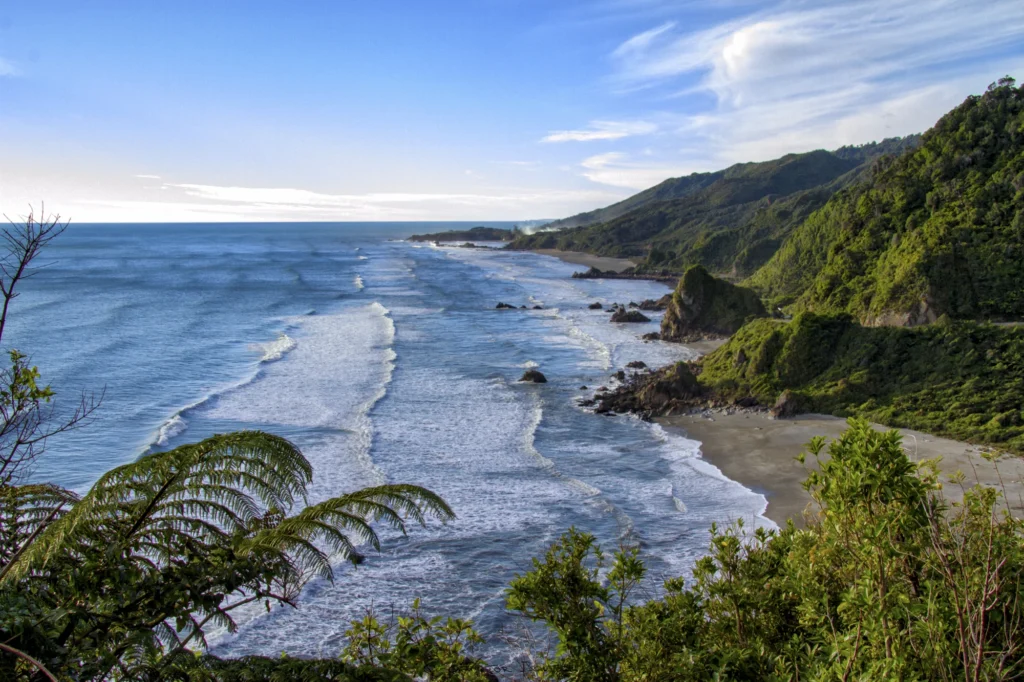
Winter is peak season for tropical beach travel, especially for travelers escaping cold climates.
Unfortunately, winter overlaps with hurricane seasons in some regions, particularly late summer into early fall carryover effects.
Hurricane-free tropical beaches offer:
- Reliable flight schedules
- Fewer weather-related cancellations
- Calm seas for snorkeling and diving
- Predictable resort operations
- Better value during shoulder seasons
For travelers planning trips months in advance, predictability is often more valuable than chasing the most famous destination.
Month-by-Month Safety Snapshot
Instead of vague “safe seasons,” here’s what matters in practice:
January to March
- Safest globally for storm-free tropical beaches
- Ideal for Maldives, Seychelles, Aruba, Hawaii
- Calm seas, peak visibility, stable flight operations
April to June
- Shoulder season sweet spot
- Lower prices, minimal storm activity
- Excellent for Sri Lanka (south coast), Bali, Zanzibar
July to September
- Peak hurricane risk in most of the Caribbean
- Southern Caribbean and equatorial regions remain safe
- Best alternatives: Aruba, Curaçao, Maldives, Indonesia
October to December
- Transition period
- Storm activity declines rapidly
- Excellent for Indian Ocean destinations and Pacific islands
Ocean Conditions: Calm Water vs Rough Beauty
Storm safety isn’t just about wind, sea state matters just as much.
Calm-Lagoon Destinations
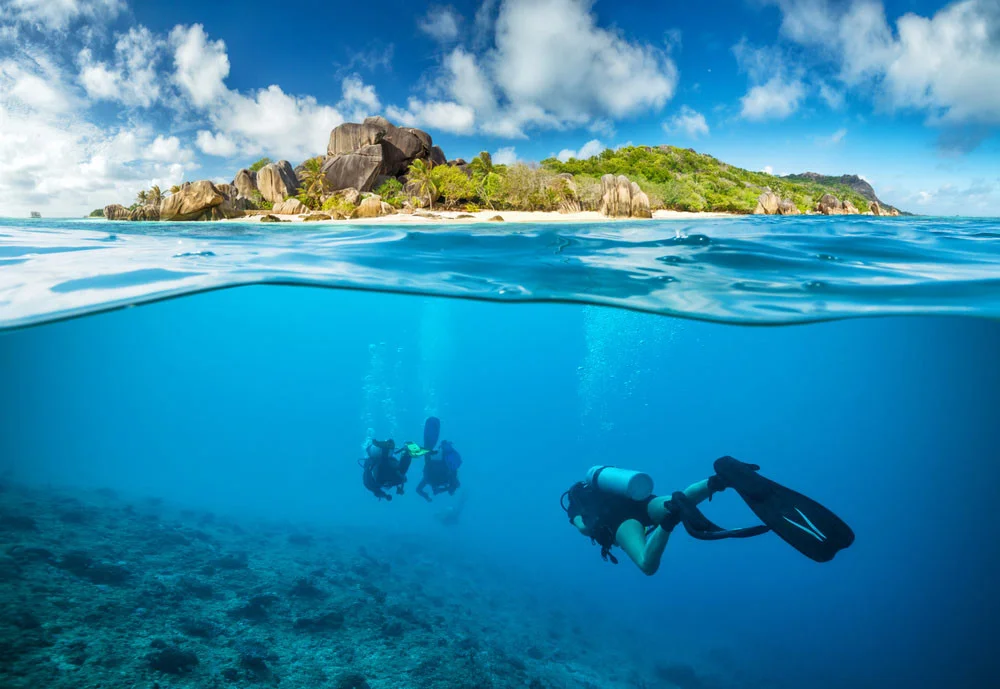
Ideal for swimming, snorkeling, families, and relaxed travelers:
- Maldives
- Bora Bora
- Seychelles
- Curaçao
Open-Ocean Beaches
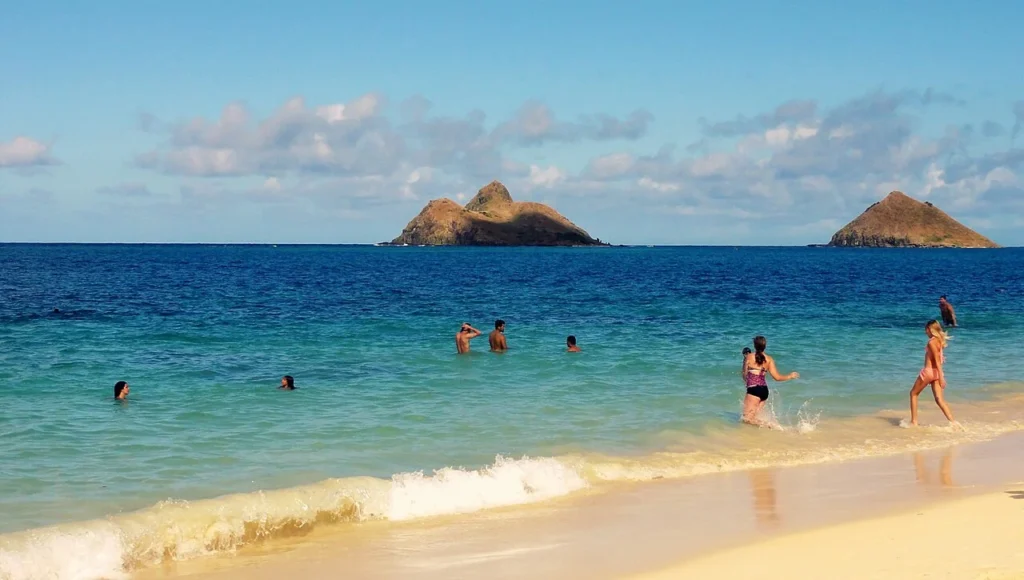
More dramatic, sometimes rougher, but stable:
- Hawaii’s North Shore (seasonal)
- Sri Lanka’s south coast
- Bali’s west coast
A beach can be storm-free yet still have strong surf, this distinction was missing before and is crucial.
Are “Hurricane-Free” Beaches Completely Risk-Free?
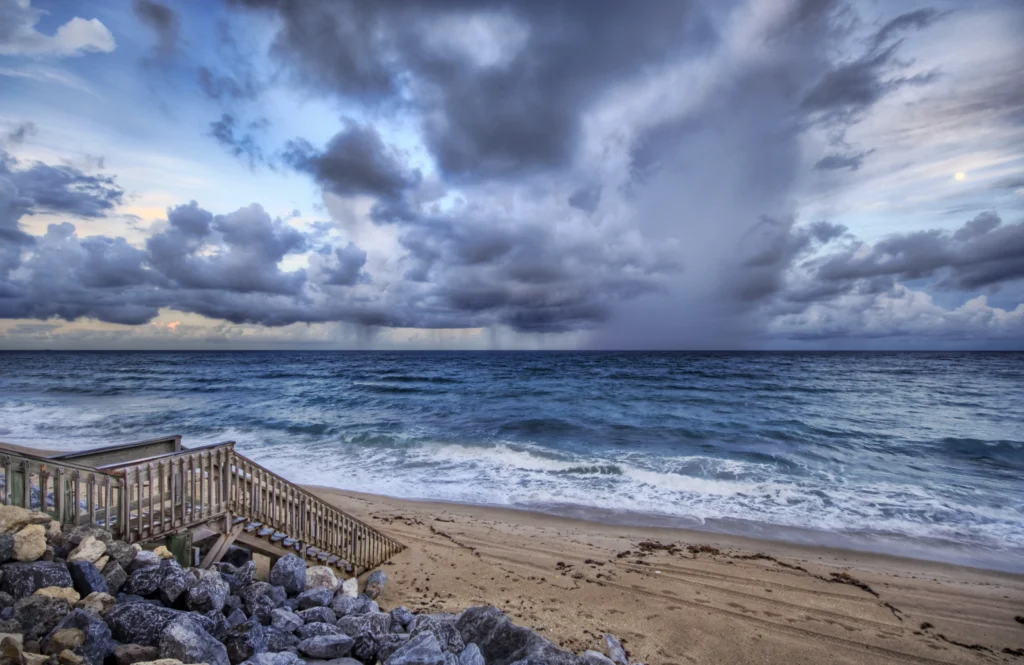
No tropical destination is 100% immune to weather variability. However, the destinations listed here have historically low storm frequency and are geographically protected from the conditions required for severe storms.
Instead of hurricanes or cyclones, these regions may experience:
- Short rain showers
- Seasonal monsoon winds
- Occasional rough seas during transitions
The difference is scale: these events rarely disrupt entire vacations or cause widespread damage.
Best Beaches Without Hurricanes for Different Travelers
For Honeymooners
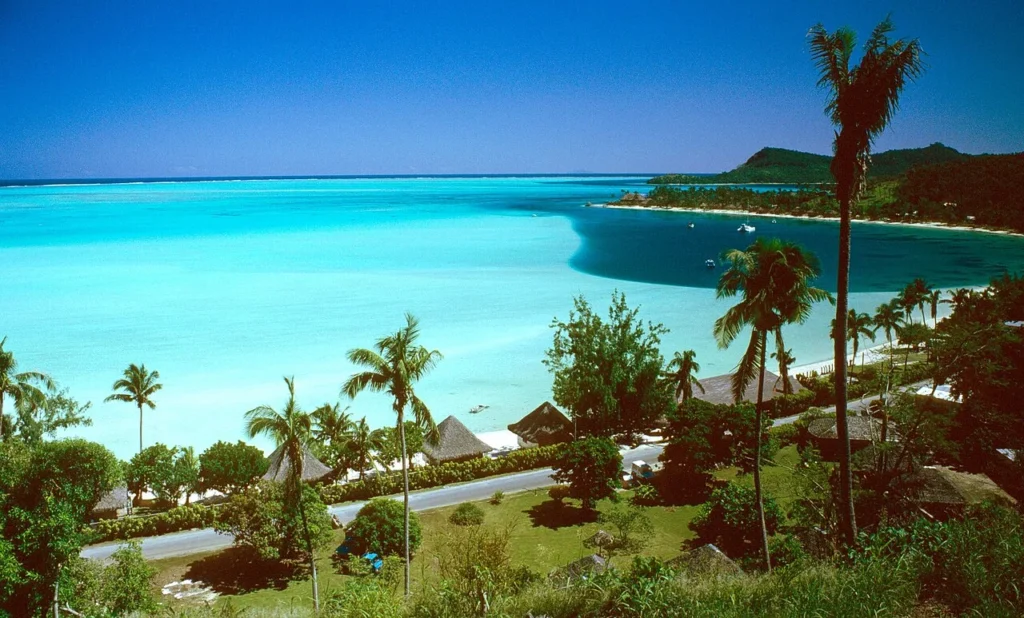
- Maldives
- Seychelles
- Bora Bora
These destinations offer calm seas, privacy, and uninterrupted luxury.
Families

- Aruba
- Curaçao
- Hawaii
Reliable weather and excellent infrastructure make planning easier.
Digital Nomads

- Bali
- Zanzibar
- Sri Lanka’s south coast
Stable climates support long stays and remote work lifestyles.
Budget Travelers

- Sri Lanka
- Indonesia
- Southern Colombia
Lower costs combined with predictable weather make these ideal for extended travel.
How Climate Change Is Affecting Tropical Storm Patterns
Climate change has increased storm intensity in some regions, but geography still matters.
Equatorial destinations and regions outside major storm belts continue to show significantly lower risk than traditional hurricane zones.
Choosing destinations with historically low storm activity remains one of the most effective ways to minimize weather-related disruptions.
Aviation Reality: Why Storm-Free Regions Mean Better Flights
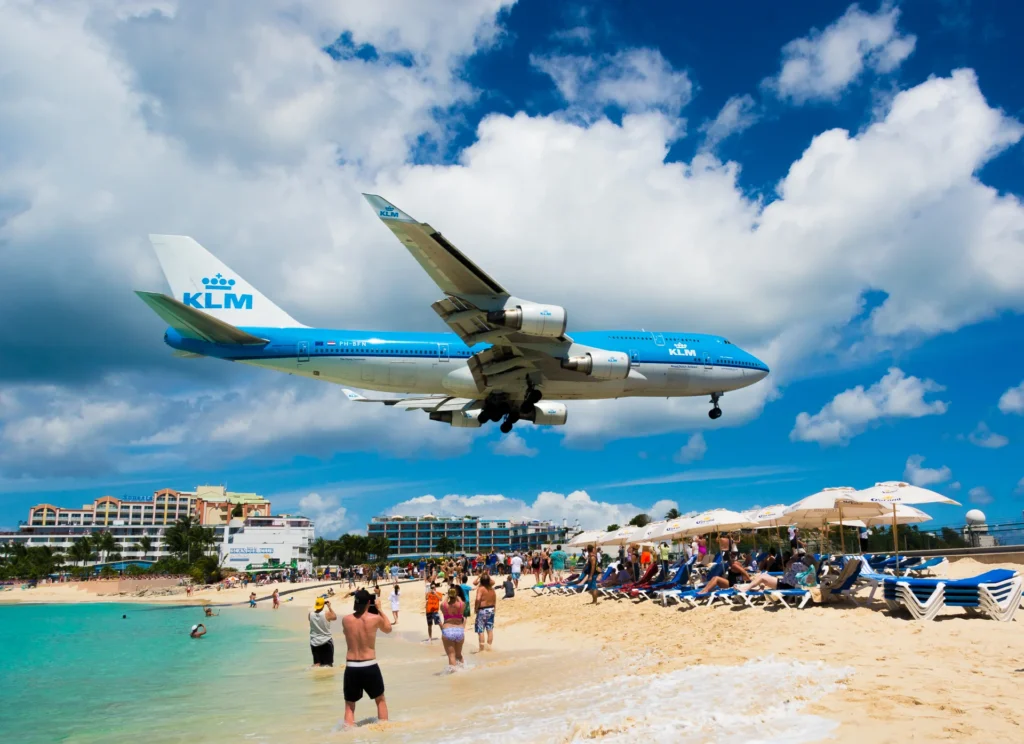
From an aviation and logistics perspective, hurricane-prone regions face:
- Seasonal route suspensions
- Aircraft repositioning
- Higher cancellation risk
- Sudden fare spikes
Storm-safe destinations benefit from:
- Stable flight schedules
- Lower insurance risk for airlines
- More predictable pricing
- Fewer last-minute disruptions
This is why places like Aruba, Maldives, and Hawaii maintain year-round route reliability, even in global winter peaks.
How to Plan a Storm-Safe Tropical Beach Vacation
To maximize safety and comfort:
- Choose destinations outside known hurricane and cyclone belts
- Avoid peak storm months even in low-risk areas
- Monitor long-term climate patterns, not just short-term forecasts
- Book flexible flights and accommodations when possible
- Travel insurance should cover weather disruptions, even if risk is low
Travel Insurance and Booking Strategy
Even when traveling to low-risk areas, smart travelers:
- Choose policies covering weather-related delays
- Book refundable or flexible fares during shoulder seasons
- Avoid over-island-hopping in remote regions during monsoon transitions
Storm-safe doesn’t mean careless, it means lower baseline risk, not zero risk.
Common Myths About “Hurricane-Free” Beaches
Myth 1: “No hurricanes means no rain”
Reality: Many safe destinations still have brief tropical showers that pass quickly.
Myth 2: “Equatorial beaches are always humid”
Reality: Trade winds and ocean currents keep many equatorial islands surprisingly comfortable.
Myth 3: “Cyclone-free destinations are boring”
Reality: Many offer better diving, calmer lagoons, and more consistent visibility.
Final Thoughts: Sunshine Without the Stress
Tropical beaches don’t have to come with storm anxiety. By understanding global weather patterns and choosing destinations strategically, travelers can enjoy warm water, blue skies, and peaceful coastlines without worrying about hurricanes or cyclones.
Whether you’re planning a winter escape, a long-term stay, or a once-in-a-lifetime beach vacation, storm-safe tropical destinations offer the freedom to relax, knowing nature is on your side.
If your goal is sunshine, serenity, and consistency, these hurricane- and cyclone-free tropical beaches are exactly where you should be looking.
Stay tuned with us. Further, follow us on social media for the latest updates.
Join us on X, Instagram for the Latest Travel related updates.