Some travelers choose beaches for their color. Others choose them for their calm. But for food-loving travelers, tropical beaches with the best food are chosen with the stomach as much as the soul.
These are places where meals are not an afterthought, but part of the rhythm of daily life. Where the ocean feeds the kitchen, and recipes have been shaped by tides, trade routes and generations of coastal living.
If you believe that food is one of the best ways to understand a place, then these tropical beach destinations offer the perfect blend of flavor, culture, and coastal beauty.
Why tropical beaches and food go hand in hand
Tropical coastal regions are often blessed with rich fishing grounds, fertile soil, and centuries of culinary tradition.
Fresh fish, coconut, rice, tropical fruits, herbs, and spices form the backbone of everyday meals.
Cooking methods are usually simple but deeply rooted in local culture, allowing the natural flavours to shine.
For backpackers, this means access to affordable, fresh and authentic food without the need for fine dining reservations.
Many of the best meals are found at roadside stalls, family-run beach cafés, and night markets where locals eat.
Goa, India
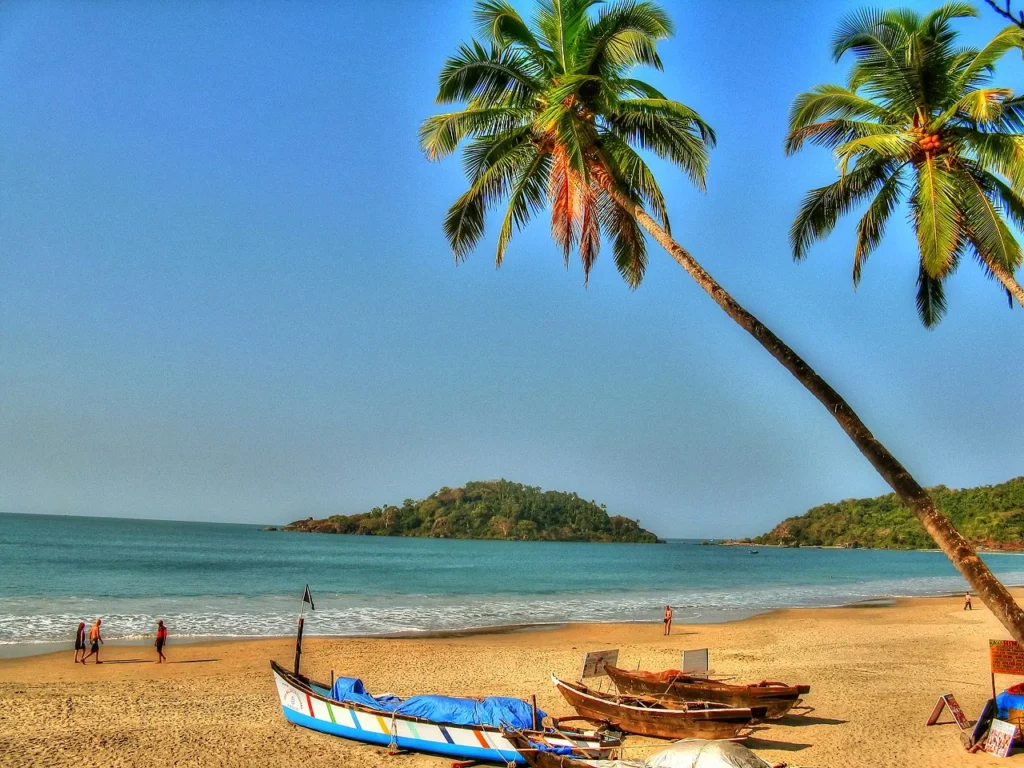
Beach life with bold flavors
Goa is not just a beach destination. It is one of India’s most distinct food regions. Goan cuisine reflects centuries of coastal living and Portuguese influence, resulting in dishes that are spicy, tangy and rich without being heavy.
Along beaches like Anjuna, Arambol and Palolem, travellers can enjoy fish curry rice cooked fresh every morning, prawn balchão, crab xec xec and pork vindaloo that goes far beyond its restaurant stereotype.
Beach shacks serve grilled kingfish, butter garlic prawns and stuffed squid just steps from the sea.
What makes Goa special for food-loving backpackers is the variety. You can eat traditional Goan thalis for lunch, grab a spicy ros omelette from a street stall in the evening, and end the day with fresh bebinca or dodol for dessert.
Phuket, Thailand

Beaches powered by street food energy
Phuket is one of Southeast Asia’s strongest food destinations, especially for travellers who enjoy intense flavours and variety.
Thai coastal cuisine thrives on balance, mixing spice, sweetness, acidity and freshness in every bite..
Beach areas like Kata, Karon and Nai Harn are filled with small eateries serving grilled fish, spicy seafood salads, crab curry and noodle soups bursting with flavour.
Just beyond the sand, night markets come alive with sizzling woks, smoky grills and colourful displays of tropical sweets.
For food-focused travellers, Phuket is ideal because it offers authentic Thai food alongside international influences, all at backpacker-friendly prices. Eating here feels casual, social and deeply connected to local life.
Bali, Indonesia

Where food meets ritual and rhythm
Bali’s food culture goes far beyond cafés and smoothie bowls. Traditional Balinese cooking is deeply tied to ritual, community and seasonality.
Along beaches like Amed, Canggu and Jimbaran, this connection is still visible.
Local warungs serve nasi campur, grilled fish with sambal, chicken satay and slow-cooked pork dishes packed with spices.
In coastal villages, fishermen bring in fresh catch each morning, which is then grilled over coconut husks by the beach.
Jimbaran, in particular, is famous for its seafood dinners served directly on the sand. For backpackers, Bali offers a rare mix of affordable local meals and creative beachside cafés without losing its culinary soul.
Hoi An Beach, Vietnam

Simple dishes, unforgettable taste
Vietnamese coastal food is a lesson in restraint. Along An Bang Beach near Hoi An, meals focus on freshness, texture and balance rather than heavy seasoning.
Grilled fish is wrapped in herbs and rice paper. Noodle dishes are light but layered with flavour. Seafood is often prepared simply, allowing the quality of the ingredients to speak for itself.
Vietnamese coastal food is ideal for travellers who appreciate subtlety and freshness rather than heavy spices, and Hoi An’s relaxed pace makes it easy to explore both food and beach without rushing.
Tulum, Mexico
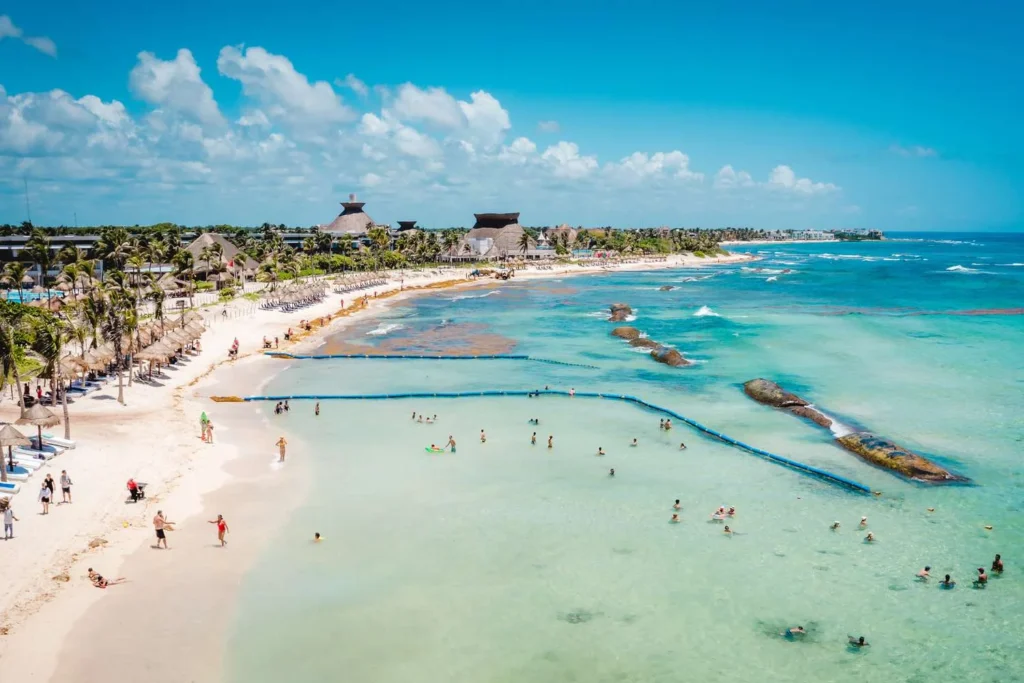
Beach vibes with deep culinary roots
Tulum blends tropical beaches with a food scene that draws from ancient Mayan traditions and modern Mexican creativity.
While some areas have become upscale, plenty of affordable and authentic food experiences still exist for backpackers willing to explore.
Street stalls serve tacos filled with slow-cooked meats, fresh fish or vegetables seasoned with local spices. Beachside eateries offer ceviche made with citrus-marinated seafood, coconut rice and smoky grilled fish.
What makes Tulum special is the focus on fresh, local ingredients and traditional techniques that honour the region’s culinary history.
For food-loving backpackers, the key is curiosity. Walk away from the main strips, eat where locals eat, and embrace the simplicity of food cooked with confidence rather than decoration.
Zanzibar, Tanzania
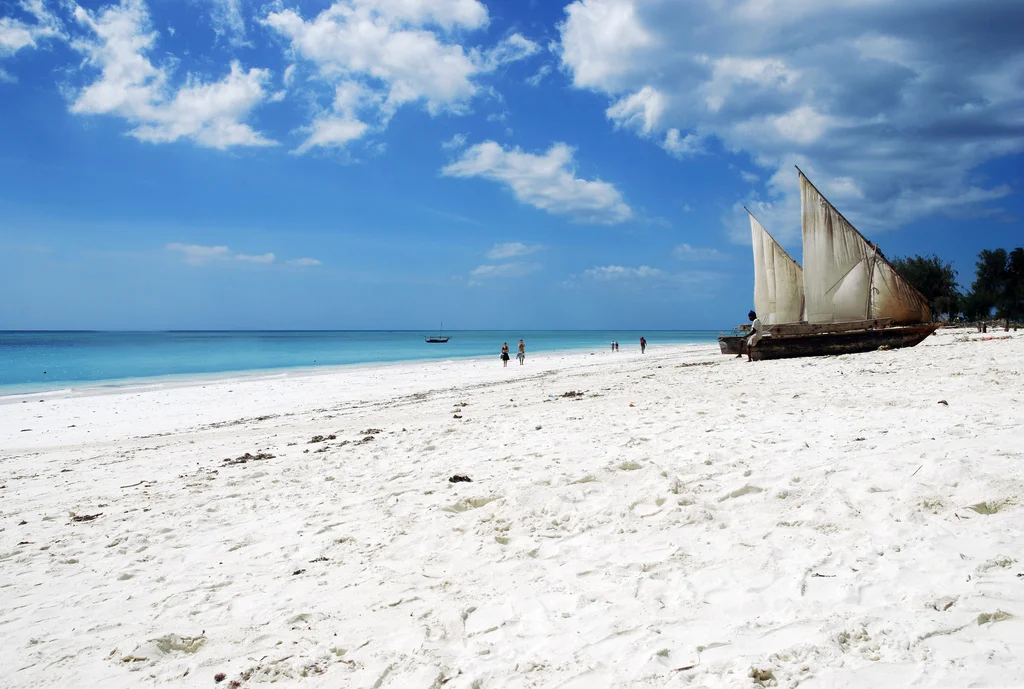
Spices, seafood and Swahili soul
Zanzibar is one of the most culturally rich food destinations on any tropical beach list. Its cuisine reflects centuries of trade between Africa, Arabia and India.
Along the coast, seafood is grilled, curried or cooked with coconut and spices. Meals are aromatic but balanced, filling without being heavy.
Evening food markets bring together locals and travellers, creating a social dining experience that feels welcoming and authentic.
For backpackers, Zanzibar offers something rare: deep flavour, strong identity and affordable access to a truly unique food culture.
Sri Lanka’s southern coast
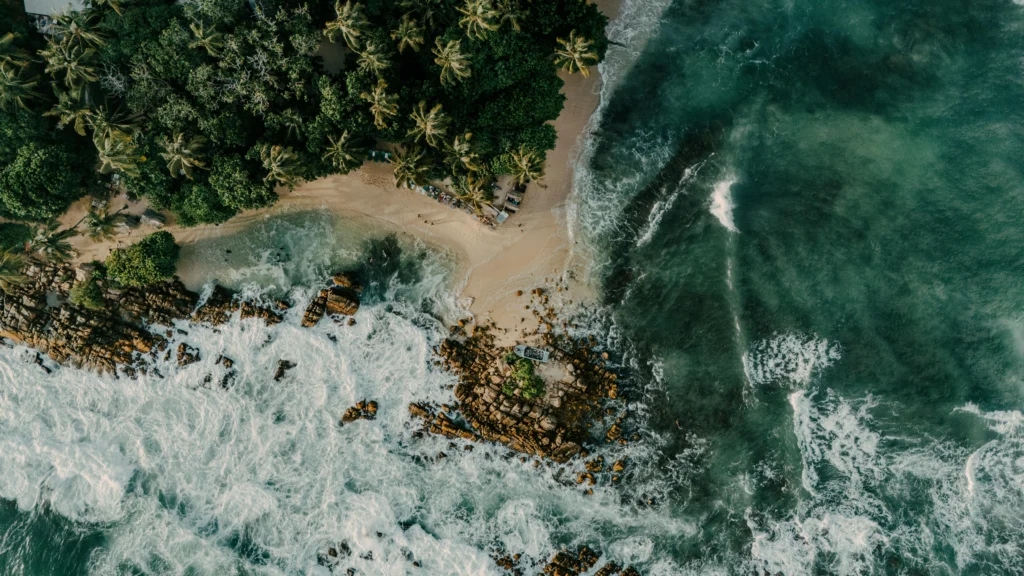
Small beaches, big flavours
Sri Lanka’s southern beaches, including Mirissa, Unawatuna and Tangalle, are a dream for travellers who love bold flavours and fresh seafood. Local cooking relies heavily on coconut, curry leaves, chilli and lime.
Beachside cafés serve fish curry, cuttlefish stir-fries, hoppers and sambols made fresh daily. Meals are often simple, home-style and incredibly satisfying.
For backpackers, Sri Lanka offers exceptional value, generous portions and a welcoming food culture that invites conversation and sharing.
What makes a beach perfect for food lovers
A foodie beach destination is not defined by luxury restaurants. It is about access to fresh ingredients, local cooking traditions and a relaxed environment where food is part of daily life.
The best places allow travellers to eat where locals eat, try unfamiliar dishes without pressure, and connect with people through shared meals.
Markets, food stalls and small cafés often deliver more memorable experiences than polished dining rooms.
Tips for food-focused beach travel
Eat where locals gather, especially during busy hours. This is often a sign of quality and freshness. Be open to trying new dishes, even if you do not recognise the name.
Ask questions, watch how food is prepared, and trust your senses.
Balance curiosity with caution. Drink bottled or filtered water where necessary and choose freshly cooked food in warm climates. Respect local food customs and eating habits.
How to plan a food-first beach trip
Choose destinations where local food culture is active, not hidden behind resorts. Stay close to villages rather than isolated beach properties.
Visit markets early in the morning or just before sunset.
Talk to people. Ask where they eat. Food recommendations from locals often lead to the most memorable meals of the trip.
Why these beaches matter to food lovers
Tropical beaches that are perfect for foodies offer more than taste. They offer connection. Food becomes a way to understand the land, the sea and the people who live between them.
For backpackers and independent travellers, these destinations turn meals into memories and beaches into stories worth telling.
Because in the end, the best beach journeys are not measured by how blue the water was, but by how deeply you remember what you ate beside it.
Stay tuned with us. Further, follow us on social media for the latest updates.
Join us on X, Instagram for the Latest Travel related updates.