In a world where air travel connects continents in mere hours, safety is often the first concern for passengers. With over 100,000 flights taking off and landing daily, air travel remains one of the safest modes of transportation—and some airlines have taken that commitment to safety to extraordinary levels. A select few have operated for decades without a single fatal crash.
This article dives into the most remarkable names in aviation safety: the airlines with zero fatal crashes—and why flying with them can offer not just comfort, but peace of mind.
Why Some Airlines Have Never Had a Fatal Crash
Before we jump into the names, it’s important to understand how these airlines have managed to achieve such stellar records. These are not lucky streaks; they’re the results of:
- Stringent safety protocols
- Heavily regulated maintenance schedules
- State-of-the-art fleets
- Extensive pilot training
- Robust safety cultures
Many of these airlines are also based in countries with strict civil aviation authorities, excellent airport infrastructure, and a proactive approach to incident management.
1. Qantas Airways – Australia
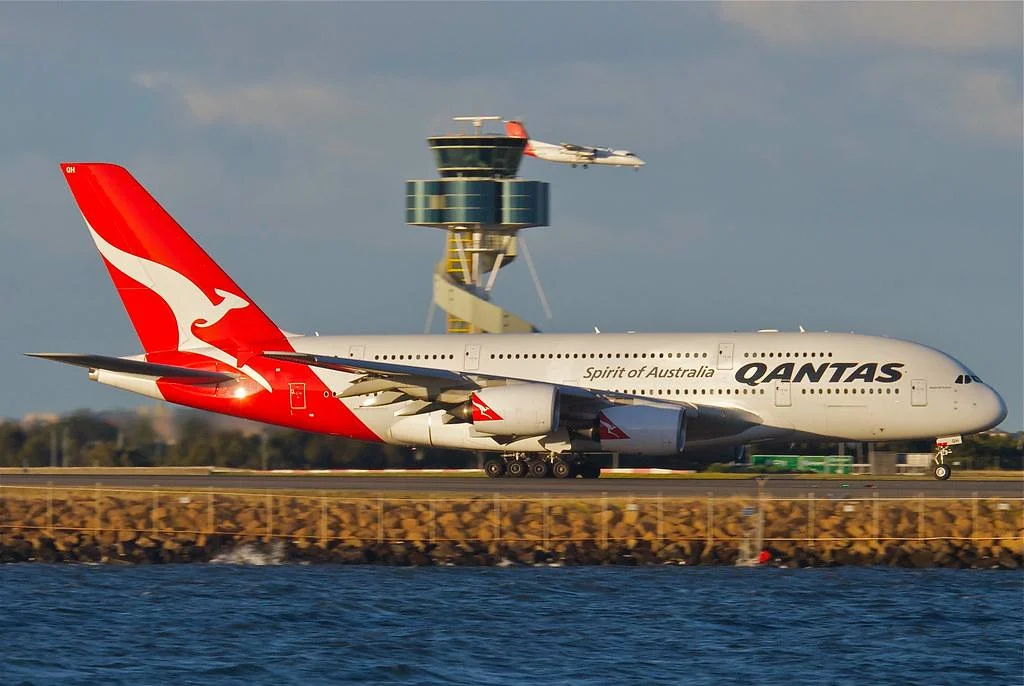
Founded in 1920, Qantas is the world’s third-oldest airline and widely celebrated as the safest airline in the world. Since the beginning of the jet age, Qantas has reported no fatal crashes involving commercial jets.
Highlights:
- Introduced multiple industry-first safety innovations
- Leading maintenance and safety reporting systems
- Featured in the film Rain Man as “the airline that never crashes”
Qantas is not just lucky; it has long been an industry leader in safety innovation, with early adoption of GPS-based flight tracking, automated weather routing, and pilot fatigue management systems.
2. Hawaiian Airlines – USA
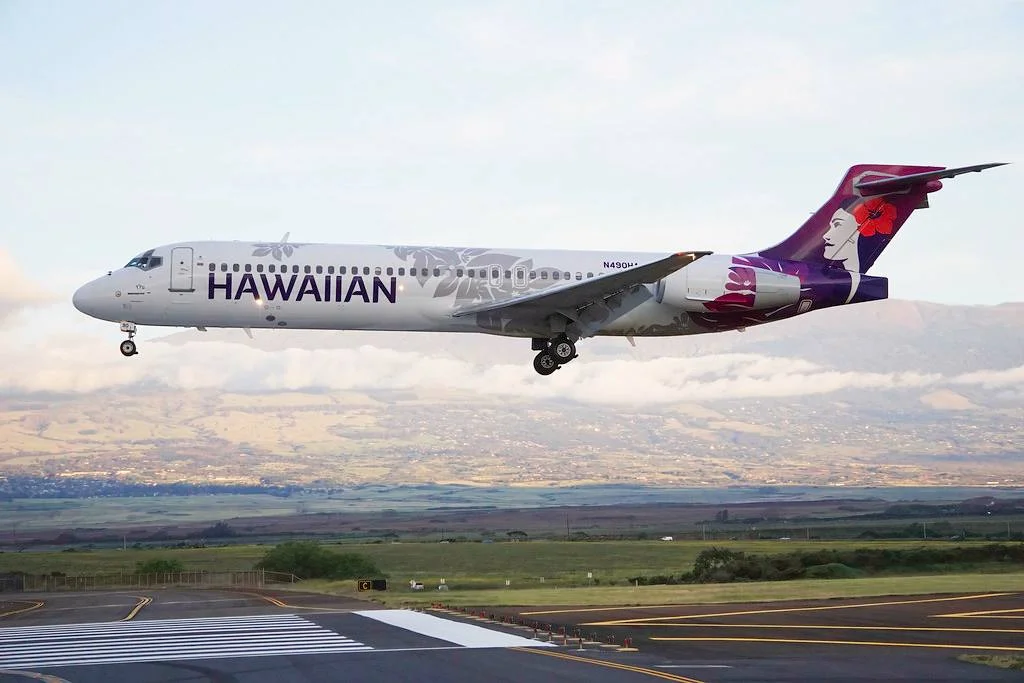
Operating since 1929, Hawaiian Airlines has the distinction of never having a fatal accident or a hull loss in over 90 years of service. With inter-island and trans-Pacific flights, Hawaiian operates in both busy domestic airspace and challenging island weather patterns.
Highlights:
- Consistently ranks among the top for punctuality and reliability
- Strong safety culture and modern fleet
- Serves isolated islands—where precision matters even more
Hawaiian’s record is especially impressive considering its early days in less-regulated aviation eras.
3. EVA Air – Taiwan
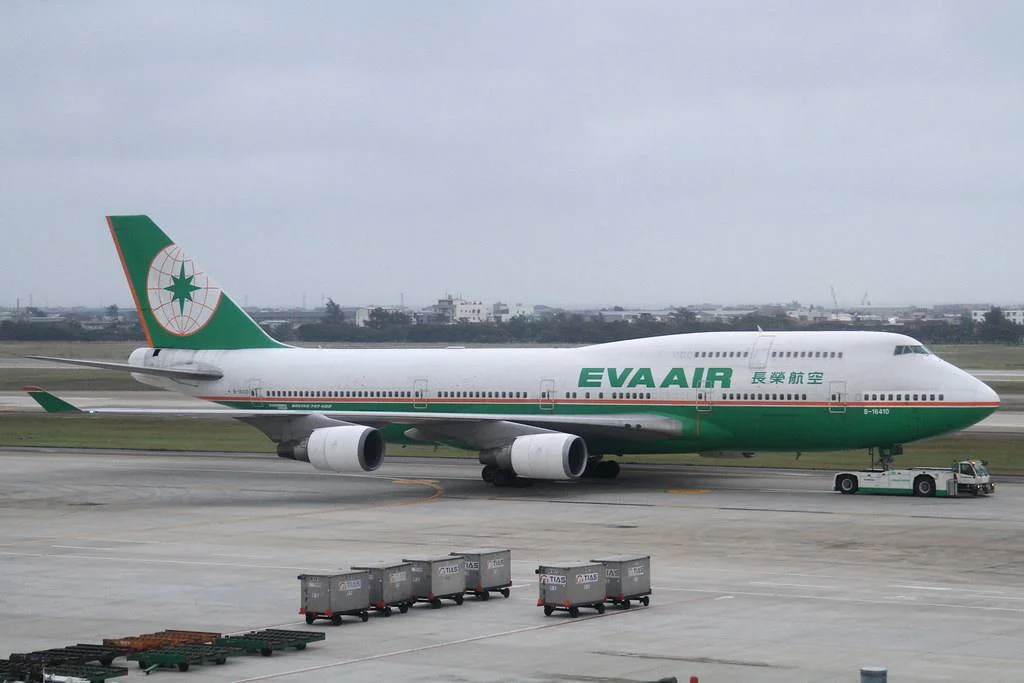
Founded in 1989, EVA Air is one of Asia’s most premium carriers—and has managed to operate for over 30 years with no fatal crashes or hull losses.
Highlights:
- Uses cutting-edge Boeing and Airbus aircraft
- Ranks highly in global airline safety indexes
- Strong maintenance protocols and pilot training standards
EVA Air consistently features in top 10 lists for the world’s safest airlines and operates one of the youngest and most efficient fleets in Asia.
4. Virgin Atlantic / Virgin Group
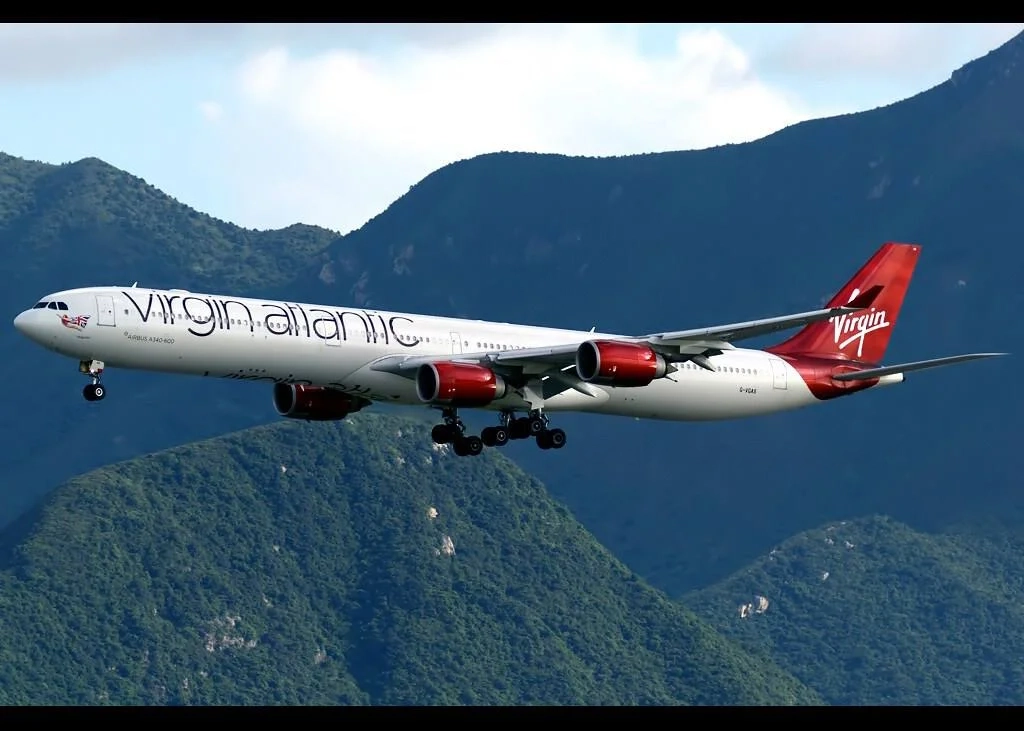
Virgin Atlantic (est. 1984) and its former U.S. sibling, Virgin America (merged into Alaska Airlines in 2018), have no fatal crashes on record. Virgin Australia also boasts a similarly clean record.
Highlights:
- Stylish, modern aircraft with premium safety features
- Emphasis on youthful, modern fleets and pilot training
- Part of the Virgin brand known for innovation
Despite being spread across continents, Virgin carriers maintain a shared reputation for safety and service excellence.
5. EasyJet – UK
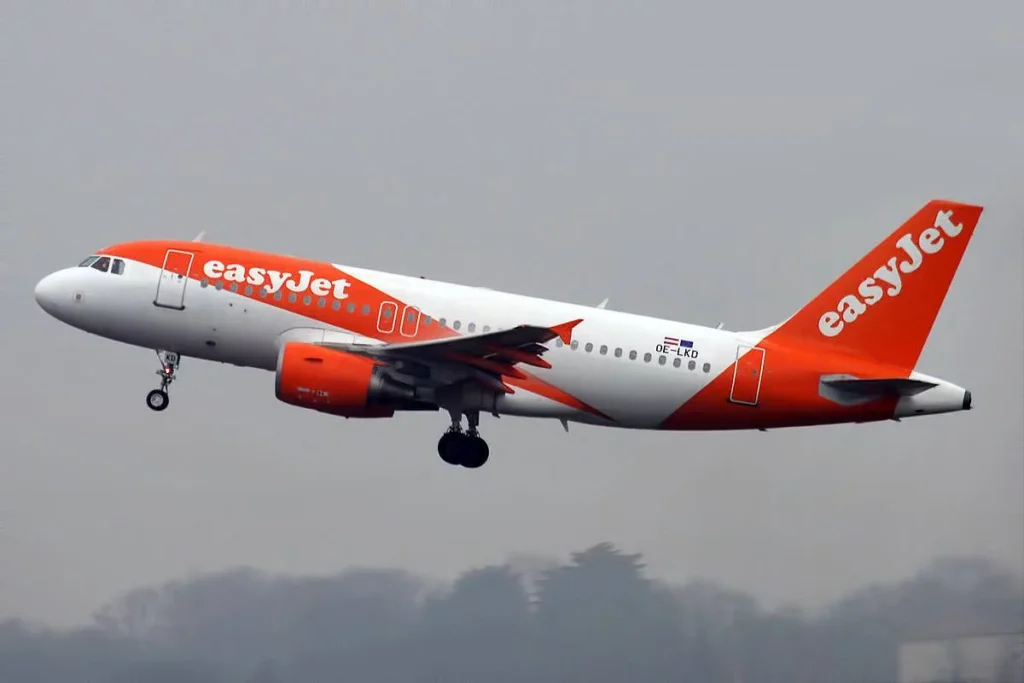
Europe’s budget titans often get flak for baggage fees or legroom—but when it comes to safety, EasyJet have never had a fatal crash.
EasyJet:
- Launched in 1995
- Flies Airbus A320-family aircraft
- Maintains rigorous safety oversight under UK CAA and EASA
Both airlines demonstrate that low-cost doesn’t mean low safety.
6. Emirates – UAE
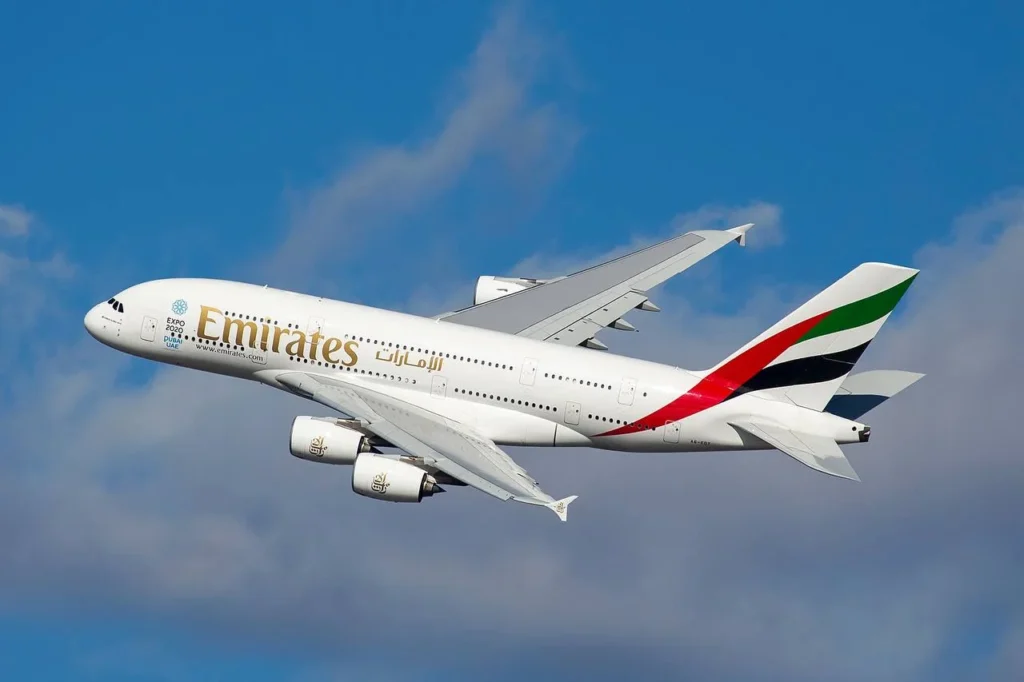
Since its founding in 1985, Emirates has grown into one of the world’s largest international airlines—with no fatal accidents involving passengers.
Highlights:
- Fleet includes only wide-body jets like the A380 and Boeing 777
- Strong safety record despite high operational volume
- One minor hull-loss incident (2016), with all passengers surviving
Emirates’ spotless passenger fatality record, even after millions of flight hours, makes it a global benchmark.
7. Qatar Airways & Etihad Airways – Gulf Safety Giants
Both airlines, launched in the 1990s and early 2000s respectively, have zero fatal crashes or hull losses.
Qatar Airways:
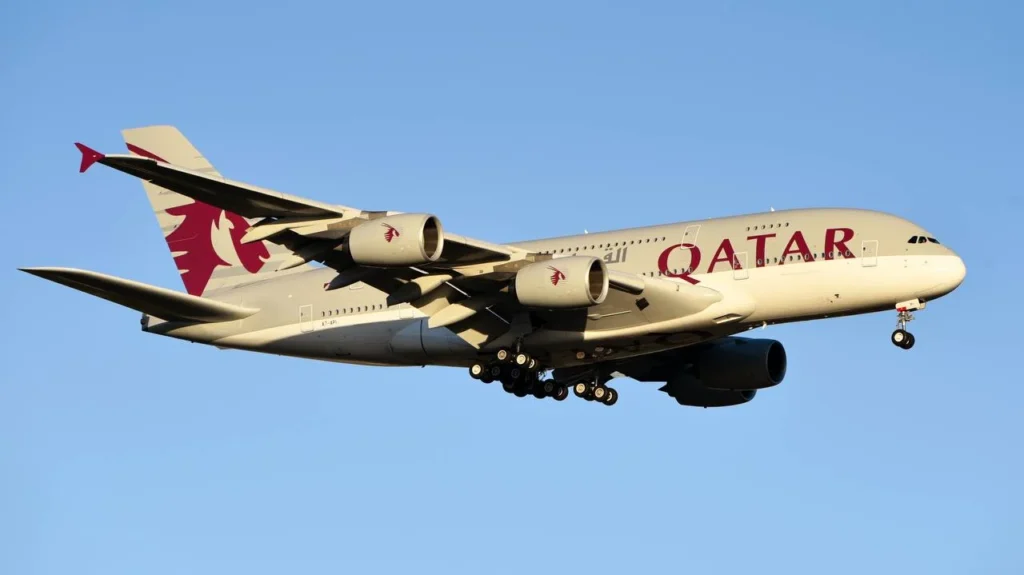
- Based in Doha, one of the world’s top aviation hubs
- High safety ratings and consistent global recognition
Etihad Airways:

- Abu Dhabi-based
- Innovative safety and risk management programs
Gulf carriers are known for luxury—but their safety culture is equally elite.
8. Finnair – Finland
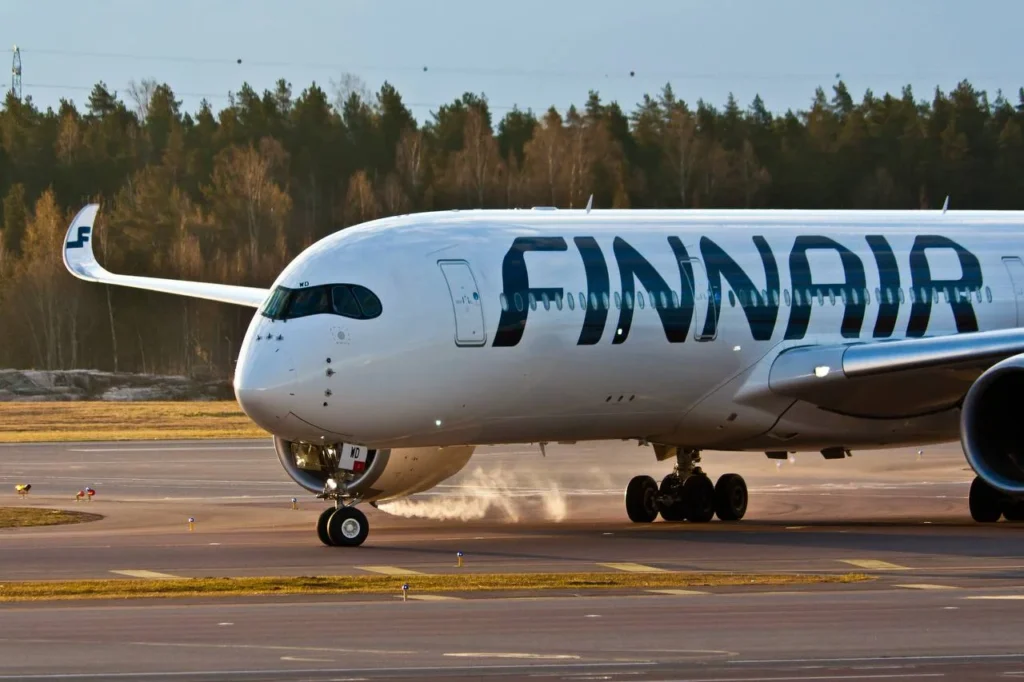
Operating since 1923, Finnair has not had a fatal crash in the jet era, making it one of Europe’s safest legacy carriers.
Highlights:
- State-owned with strong regulatory oversight
- Maintains a modern fleet of Airbus jets
- Safe operations even during harsh Nordic winters
It’s no coincidence Finland also ranks high globally in infrastructure and education—reflected in Finnair’s safety practices.
9. Singapore Airlines

One of the world’s most awarded carriers, Singapore Airlines hasn’t experienced a fatal accident in over two decades.
Highlights:
- Award-winning service and safety culture
- Top-tier training and simulator programs
- Maintains high pilot-to-passenger ratio for added safety
Singapore Airlines is a favorite among frequent flyers who prioritize safety, cleanliness, and consistency.
10. Other Safest Airlines
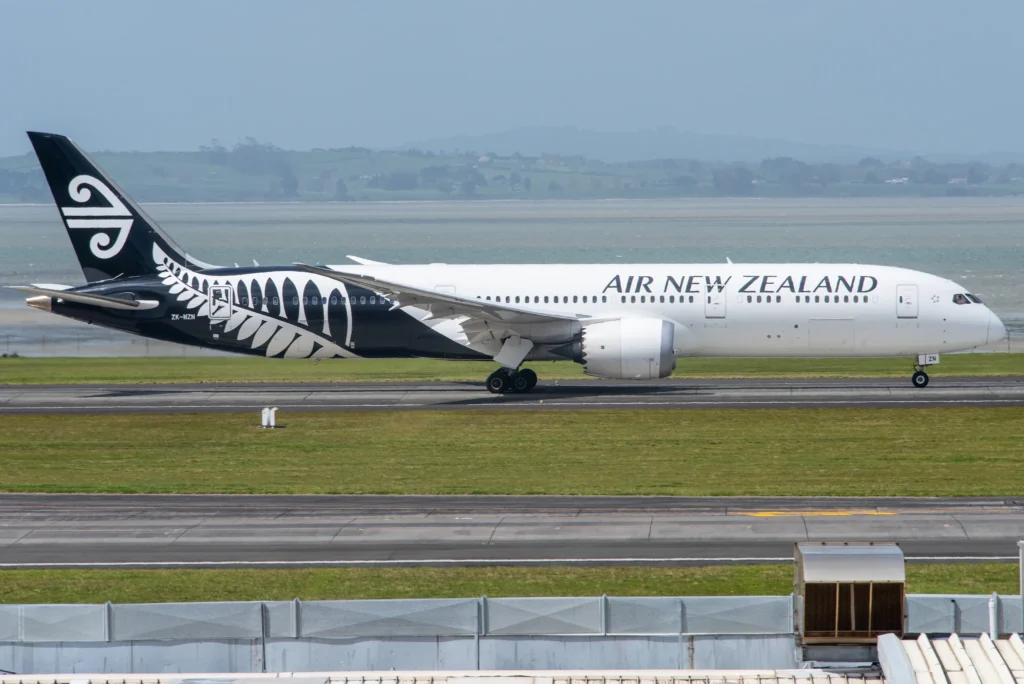
Here are a few more safest airlines with excellent safety records and no fatal crashes in recent decades:
- Southwest Airlines (USA) – No fatal passenger accidents for over 50 years
- ANA (Japan) – Ultra-safe carrier with rigorous standards
- Air New Zealand – No fatal accidents since 1979; leading safety innovation
- Cathay Pacific (Hong Kong) – Zero crashes in jet era
- JetBlue (USA) – Since 2000, no fatal incidents
Why Airline Safety Matters More Than Ever
While fatal accidents are rare in modern aviation, they still shape public perception. An airline with a zero-fatal-crash record reflects not only luck, but a deep investment in safety culture, training, maintenance, and proactive technology.
Airlines with spotless records usually exhibit:
- Modern fleets (average aircraft age under 8 years)
- Rigorous pilot training
- Advanced incident-reporting systems
- Partnerships with safety organizations like IATA and ICAO
The Bottom Line: Fly Safe, Fly Smart
When booking your next flight, consider more than just price and legroom. Safest Airlines like Qantas, Hawaiian, EVA Air, and Virgin Atlantic offer not just comfort, but a proven legacy of putting safety above all else.
In an industry where one mistake can mean disaster, these carriers are a shining example that zero-fatality aviation is not only possible—it’s sustainable.