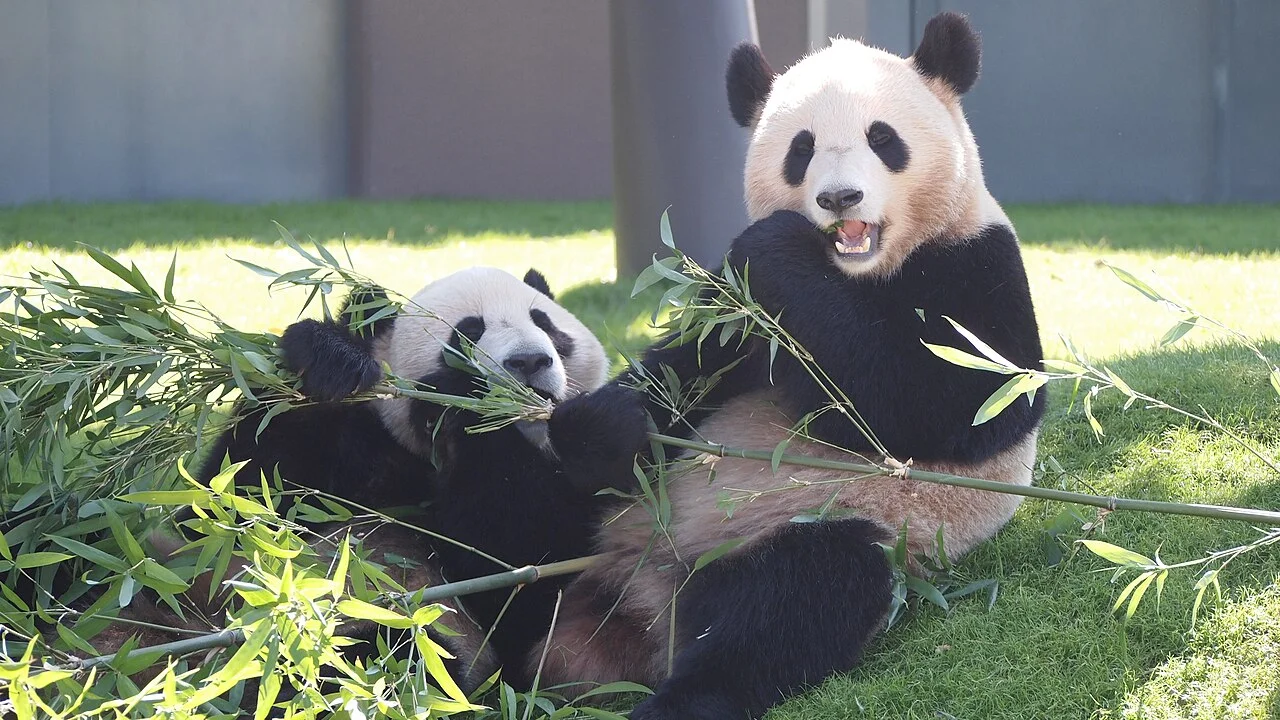

Asia| Japan has officially bid farewell to its last remaining giant pandas, marking the end of a deeply emotional and historic chapter in the country’s cultural and diplomatic relationship with China.
The departure of the panda pair from Ueno Zoo has drawn massive crowds, nationwide media coverage, and heartfelt reactions from people across all age groups.
For decades, giant pandas have been among Japan’s most cherished zoo residents. Their exit leaves the country without any pandas for the first time in many years and signals a pause in one of the most recognizable symbols of international wildlife diplomacy.
The pandas that captured a nation’s heart
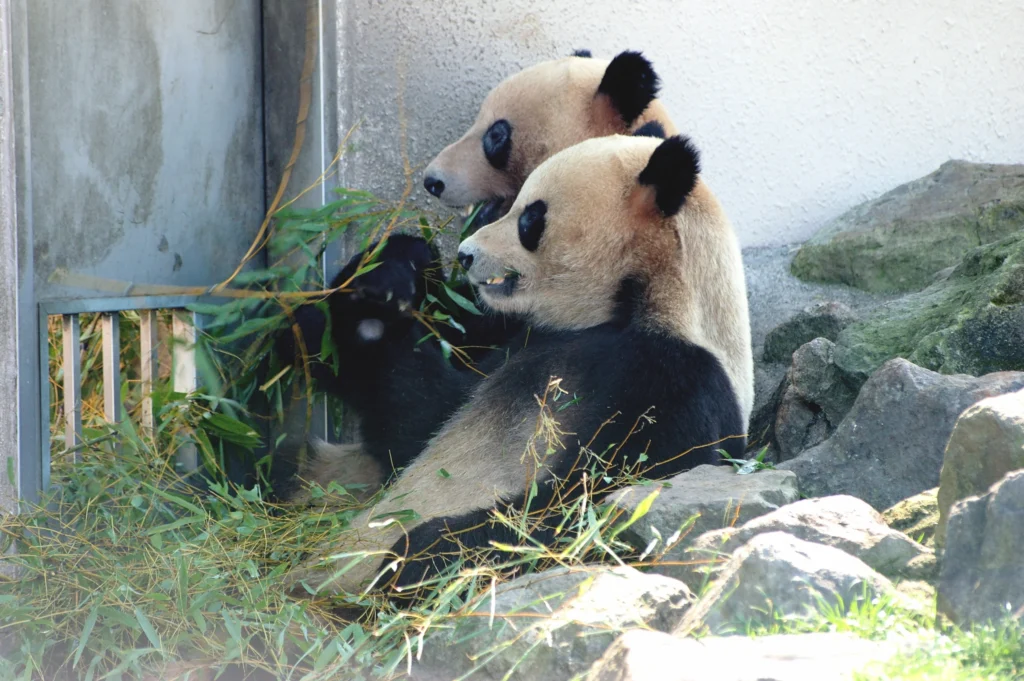
The departing pandas were not just animals on display. They were cultural icons. Over the years, they became familiar faces to millions of Japanese citizens and international visitors.
School children grew up watching them, adults planned visits around them, and entire merchandise industries flourished in their name.
Zoo officials confirmed that the pandas’ return to China follows the conclusion of a formal loan agreement.
Under international panda conservation rules, all giant pandas remain the property of China and are returned once contractual terms expire or when age, health, or breeding plans require relocation.
Why Japan’s last pandas had to return
China manages a global giant panda conservation and loan program designed to protect genetic diversity and strengthen breeding success.
Pandas sent overseas are usually part of scientific research, breeding cooperation, and public education initiatives.
As the pandas reached the agreed milestone under the program, their return became mandatory.
Experts emphasize that while the farewell is emotional, the decision aligns with global conservation goals rather than political or commercial motives.
An emotional farewell unlike any other
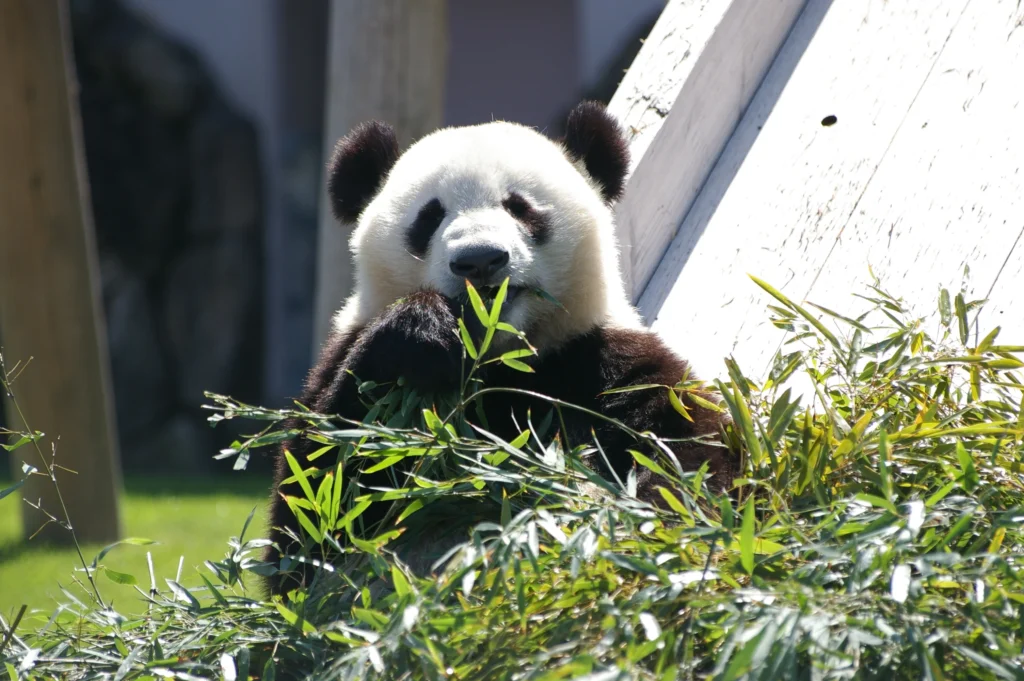
In the final weeks before departure, Ueno Zoo extended viewing hours to accommodate overwhelming public demand.
Visitors waited for hours in winter temperatures just to spend a few final minutes watching the pandas eat bamboo, nap, or play.
Many visitors carried handwritten notes, panda plush toys, and photo albums documenting years of visits. Television networks aired live coverage, and newspapers dedicated front pages to the farewell.
Social media platforms were flooded with messages of gratitude, childhood memories, and emotional tributes.
Japan without pandas for the first time in decades
Japan has hosted giant pandas since the early 1970s, shortly after diplomatic relations with China were normalized.
Since then, pandas have played a consistent role in strengthening cultural ties and attracting tourism.
With the last pair gone, Japan enters a rare period without pandas. Zoo officials anticipate a noticeable drop in attendance, especially at Ueno Zoo, where pandas historically accounted for a significant share of visitors.
Local businesses, souvenir shops, and themed cafes are also expected to feel the economic impact.
Panda diplomacy and its historical importance
Giant pandas have long been used as symbols of goodwill, often referred to as ambassadors of friendship.
Japan’s first pandas arrived during a time of renewed diplomatic engagement with China, making them powerful symbols beyond conservation.
Over the decades, panda exchanges have coincided with key moments in bilateral relations. While the current departure does not indicate diplomatic tension, it does mark a pause in one of the most visible forms of soft diplomacy between the two nations.
Conservation success behind the farewell
The moment also highlights a global conservation success story. Giant pandas were once listed as endangered, facing habitat loss and declining populations.
Through sustained conservation efforts, habitat restoration, and international cooperation, panda numbers have improved significantly.
Zoo based awareness programs in countries like Japan played an important role in educating the public and generating funding for conservation.
Officials stress that the return of pandas to China strengthens centralized breeding and long term species protection.
What happens to the pandas next
After leaving Japan, the pandas will be transported under strict veterinary supervision to a conservation and breeding center in China.
The transition includes quarantine, health monitoring, and gradual adaptation to their new environment.
Depending on health and age, the pandas may participate in breeding programs or live in protected habitats designed to closely resemble natural bamboo forests.
Nationwide reaction and cultural impact
Across Japan, reactions ranged from sadness to pride. Many expressed gratitude for the years of joy the pandas brought, while others voiced hope that future generations would once again see pandas return.
Search trends related to panda history, panda diplomacy, and panda conservation surged following the announcement.
The farewell has also sparked renewed public discussion about wildlife protection and international cooperation.
Will pandas return to Japan again
At present, there is no official confirmation of new panda arrivals. However, history suggests that panda exchanges often resume after periods of absence.
Strong public interest, scientific collaboration, and diplomatic engagement could pave the way for future agreements.
Until then, Japan holds onto memories of a gentle species that left a lasting imprint on its people.
Why this farewell matters globally
This farewell is more than a zoo event. It represents how wildlife can bridge cultures, influence diplomacy, and inspire conservation awareness worldwide.
The departure of Japan’s last pandas reminds the world that protecting endangered species often requires shared responsibility and emotional sacrifice.
Stay tuned with us. Further, follow us on social media for the latest updates.
Join us on X, Instagram for the Latest Travel related updates.