Beach travel should be open to everyone, but for travellers with mobility needs, it takes more than picking a pretty spot. That’s why beaches with wheelchair access are essential to making the coast truly inclusive.
Sand, slopes, tides, and facilities can either empower independence or create unnecessary barriers. The positive reality is that accessible beach tourism has advanced significantly in recent years.
Cities and coastal communities worldwide are investing in universal design, beach wheelchairs, step-free routes, and trained staff to ensure that the sea is not reserved for only the able-bodied.
What an accessible beach truly means
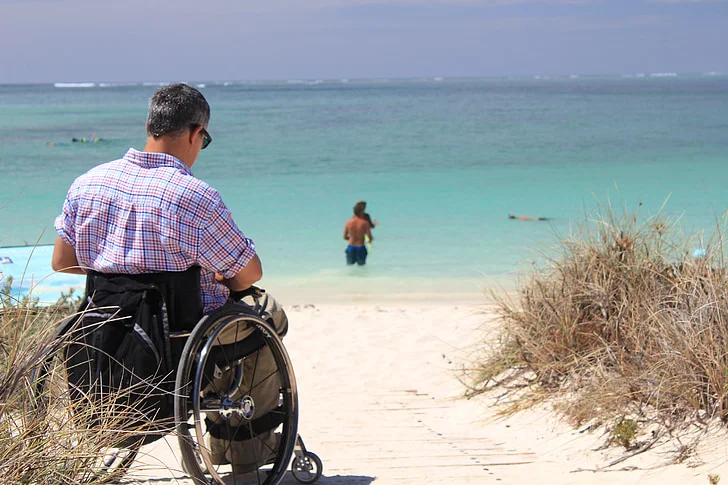
An accessible beach is not defined by a single ramp or boardwalk. True accessibility is a complete journey, from arrival to departure, that respects dignity, safety, and independence.
A genuinely accessible beach typically includes:
- Step-free routes from parking or transport to the shore
- Firm beach access mats or boardwalks over sand
- Beach or amphibious wheelchairs
- Accessible restrooms and changing facilities
- Trained staff or lifeguards familiar with mobility needs
Accessibility principles promoted by organizations such as the World Health Organization and laws like the Americans with Disabilities Act emphasize equal participation rather than special accommodation.
Why accessible beaches matter for inclusive travel
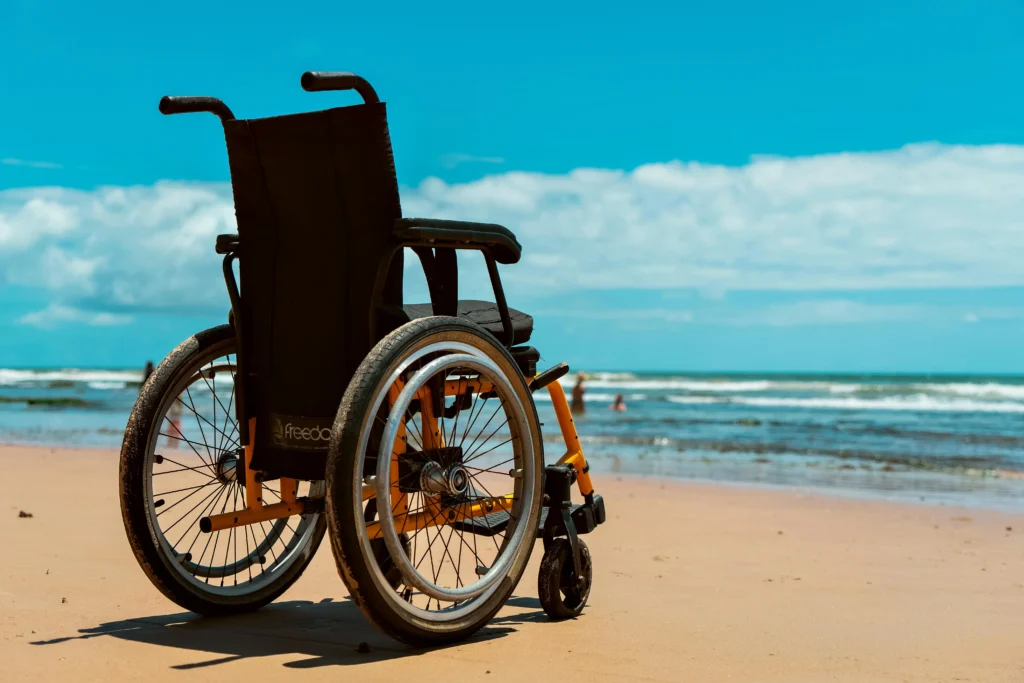
Accessible beaches are essential for:
- Wheelchair users
- Travellers with limited walking ability or balance conditions
- Seniors and people with chronic pain
- Families travelling with strollers
- People recovering from injuries
Universal beach access benefits everyone. Stable paths assist parents, older adults, emergency responders, and service providers.
Inclusive design improves safety and usability for all visitors, not only those with disabilities.
Levels of beach accessibility and why expectations matter
Not all accessible beaches provide the same experience. Understanding these levels helps travelers choose destinations that match their needs.
Level one: View and promenade access
- Accessible parking and paths
- Ocean views from a promenade or boardwalk
- No access onto sand
Best for travellers who want scenery without entering the beach surface.
Level two: Sand access without water entry
- Beach mats or boardwalks over sand
- Seating areas near the shoreline
- No swimming support
Ideal for enjoying the beach environment without entering the water.
Level three: Assisted water access
- Amphibious or floating beach wheelchairs
- Trained staff or volunteers
- Calm designated swim zones
Suitable for travellers who want to experience the water with support.
Level four: Independent water access
- Powered beach wheelchairs
- Long, wide mats close to the waterline
- Very calm and predictable conditions
This level is rare and must always be confirmed in advance.
Core features that make a beach accessible

Step-free arrival and parking
Accessible beaches provide designated parking near entrances, smooth drop-off zones, curb-free paths, and clear signage.
Distance from parking to the sand is often the first determining factor of usability.
Beach access mats and boardwalks
Beach mats are firm, non-slip pathways placed over sand. The most effective systems are wide, well-anchored, and extend close to the water during low tide.
Maintenance is critical, as sand movement can affect usability.
Beach wheelchairs explained
Beach wheelchairs are designed specifically for sand and shallow water.
- Manual beach wheelchairs have large balloon tires and require assistance. They are the most common option worldwide.
- Amphibious wheelchairs float and are used for assisted swimming with lifeguard support.
- Powered beach wheelchairs allow independent movement but are rare and usually require advance booking.
Availability is often seasonal and limited, so advance confirmation is essential.
Accessible restrooms and changing facilities
An accessible restroom is more than a wide door. Key features include:
- Adequate turning space for wheelchairs
- Properly positioned grab bars
- Roll-in showers where swimming is encouraged
- Adult-sized changing tables
Destinations that invest in inclusive hygiene facilities set the global standard for accessible beach tourism.
Swimming access and water safety for mobility needs
For many travellers, entering the water is the most meaningful part of the beach experience.
Accessible swimming programs may include:
- Amphibious wheelchairs that float
- Transfer benches near the shoreline
- Calm swim zones selected by lifeguards
- Staff or volunteer assistance
Organizations such as the Royal National Lifeboat Institution encourage swimmers with mobility needs to speak with lifeguards before entering the water.
Communication ensures that tides, waves, and exit plans are clearly understood.
Safety considerations specific to accessible beaches

Accessible design improves inclusion, but natural environments still demand caution.
- Always inform lifeguards if you plan to enter the water
- Avoid steep shorebreaks and sudden drop-offs
- Be aware that tides can shorten mat reach
- Use flotation support if recommended
- Exit the water before fatigue sets in
Accessible beaches prioritize safety, but conditions change daily.
How to evaluate beach accessibility before you travel
Photos alone rarely tell the full story. Use this process instead:
- Visit official city or tourism websites with accessibility pages.
- Look for details on mats, wheelchairs, and restrooms.
- Contact local parks or beach management offices directly.
- Read recent reviews from travellers with mobility needs.
- Confirm seasonal availability shortly before your visit.
Accessibility features may be removed during storms or off-season periods.
Examples of well-known accessible beaches worldwide
These beaches are frequently recognized for strong accessibility programs. Always verify current conditions before visiting.
Bondi Beach, Sydney

Bondi Beach features step-free promenades, beach access mats, accessible restrooms, and beach wheelchairs during patrol season. Lifeguards are trained in inclusive assistance.
Santa Monica Beach, California

Santa Monica Beach offers multiple access points, firm mats, free beach wheelchair rentals, and a long accessible boardwalk suitable for all mobility levels.
Barceloneta Beach, Barcelona
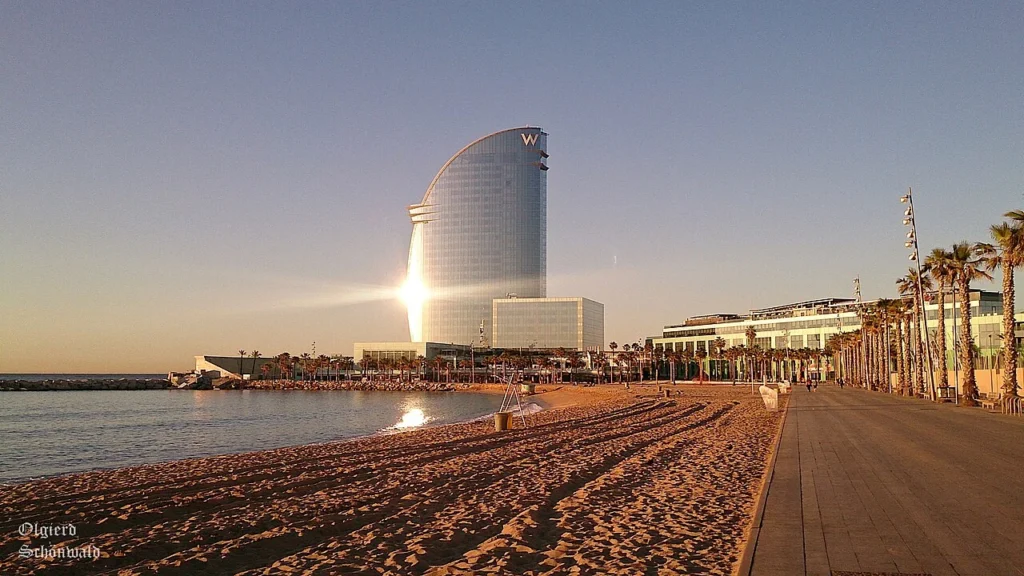
Barceloneta beach is a global leader in inclusive beach design with adapted changing rooms, amphibious wheelchairs, accessible showers, and trained support staff in summer.
Waikiki Beach, Hawaii
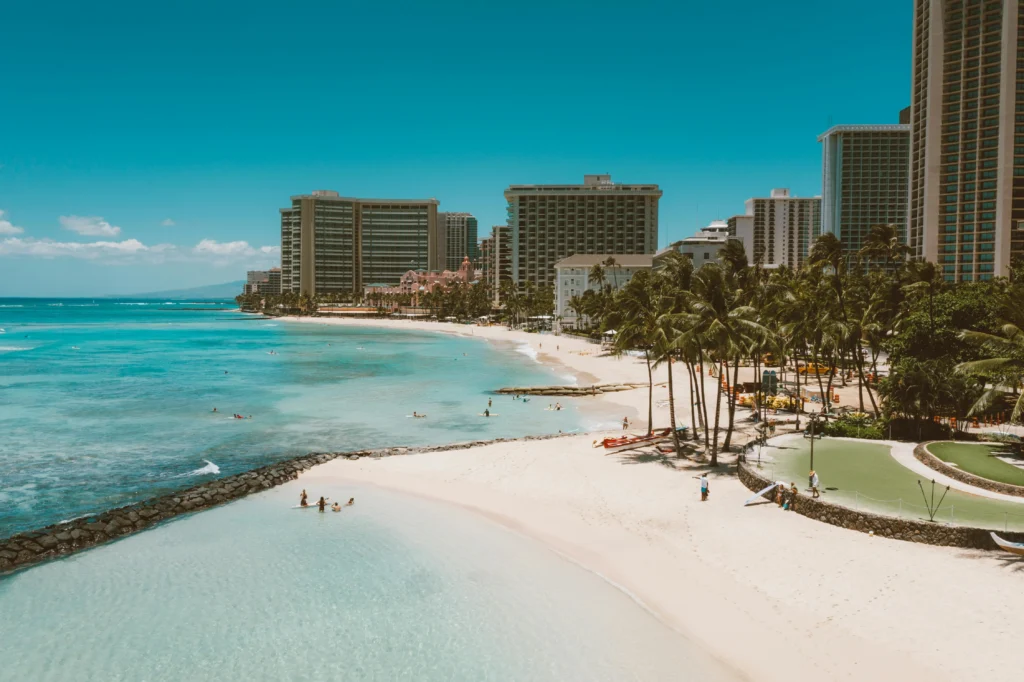
Smooth promenade access, calm waters, and beach wheelchairs available through hotels and lifeguard stations make Waikiki a popular accessible destination.
Bournemouth Beach, England

Bournemouth Beach has accessible promenades, adapted beach huts, and seasonal wheelchair programs supported by local councils.
These examples show how accessibility, safety, and tourism can coexist successfully.
Sensory accessibility and comfort
Mobility needs often overlap with sensory sensitivities.
Inclusive beaches may provide:
- Quiet zones away from crowds
- Predictable, clearly marked paths
- High-contrast signage
- Shaded seating areas to reduce glare
These features benefit travelers with neurological conditions, sensory processing differences, and those who fatigue easily.
Emergency response and evacuation planning
Emergency preparedness is essential for accessible beaches.
Well-managed beaches have:
- Step-free evacuation routes
- Staff trained in assisted evacuation
- Clear communication systems
- Nearby first aid or medical stations
Travelers should identify shaded rest areas and ask staff about emergency procedures upon arrival.
Protecting mobility aids at the beach
Sand, salt, and sun can damage equipment.
Helpful tips:
- Use sand-friendly tires or attachments
- Rinse equipment with fresh water after exposure
- Remove sand before folding wheelchairs
- Carry basic repair tools
Many travelers prefer renting beach wheelchairs on site to protect personal equipment.
Accommodation and transport considerations
Accessibility does not stop at the shoreline.
Choose accommodations that offer:
- Step-free entry and elevators
- Roll-in showers
- Accessible common areas
- Proximity to beach access points
Accessible public transport or adapted taxis reduce fatigue and increase independence.
Seasonal and operational limitations to know
Even the best accessible beaches have limits.
- Mats may be removed during storms or winter
- Wheelchairs may only be available during patrol hours
- Staffing levels vary by day and season
- High tides can affect usability
Always confirm operational details shortly before your visit.
Advocacy, reviews, and improving future access
Traveller feedback drives progress.
- Leave detailed reviews describing real accessibility
- Thank staff and municipalities that provide inclusive services
- Share constructive feedback through official channels
- Support organizations that promote accessible tourism
Positive engagement encourages continued investment and expansion.
Frequently asked questions
1. Are accessible beaches only for wheelchair users?
No. They benefit seniors, people with injuries, families with strollers, and anyone who needs stable access.
2.Do beach wheelchairs require advance booking?
Often yes, especially during peak season. Availability is limited in many locations.
3.Can I swim independently using a beach wheelchair?
This depends on the design and local rules. Some chairs float but require staff assistance.
Final thoughts
Accessible beaches represent meaningful progress toward inclusive travel. When thoughtful design, trained staff, and clear information come together, the shoreline becomes a place of freedom rather than limitation.
Accessibility is not a luxury or an extra feature. It is a standard that allows everyone to experience the sea with safety, dignity, and joy.
Stay tuned with us. Further, follow us on social media for the latest updates.
Join us on X, Instagram for the Latest Travel related updates.