Not everyone dreams of riding waves, diving into deep blue waters, or mastering swimming strokes on vacation and that is completely okay.
For many travelers, especially non-swimmers, a beach holiday is about peace, safety, shallow water, and emotional comfort, not adrenaline, which is exactly why finding the best tropical beaches for non-swimmers matters far more than chasing thrill-filled coastlines.
If you are someone who feels anxious around the sea, travels with children or elderly parents, or simply wants to enjoy the ocean without fear, choosing the right beach is crucial. The wrong beach can feel intimidating. The right one? It feels like nature gently welcoming you in.
This article is designed to be a complete, practical, and confidence-building guide. We go beyond just listing beaches.
You’ll understand why these beaches are safe, how seasons affect water conditions, what to avoid as a non-swimmer, and how to enjoy tropical waters even if you never plan to swim.
Why Choosing the Right Beach Matters for Non-Swimmers
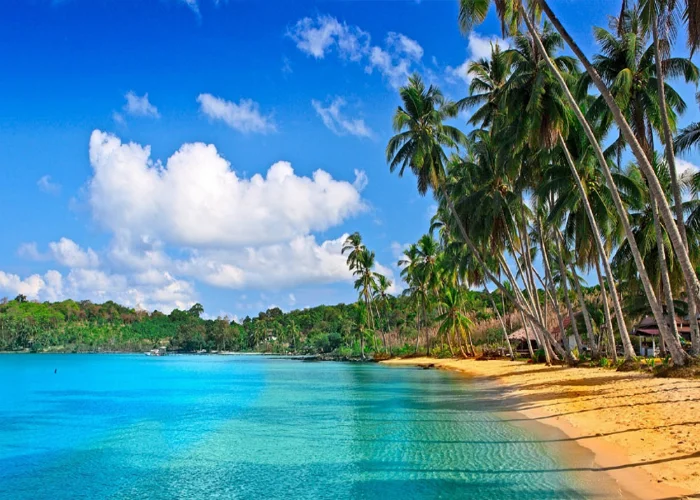
Ocean anxiety is real. Strong waves, sudden depth drops, murky water, or unpredictable currents can quickly turn a dream vacation into a stressful experience.
Calm-water beaches:
- Reduce fear and mental stress
- Allow safe water entry without swimming skills
- Are ideal for floating, standing, or walking
- Offer better experiences for kids and seniors
- Let you relax instead of constantly being alert
The key is not the destination but the geography of the beach.
What Scientifically Makes a Beach Calm?

Understanding this helps you judge beaches even beyond this list.
1. Barrier Reefs and Lagoons
Coral reefs act as natural wave breakers, absorbing strong ocean energy before it reaches the shore. This creates lagoon-like conditions.
2. Bays and Curved Coastlines
Beaches located inside bays are shielded from open-sea winds and currents.
3. Gradual Seabed Slope
A sandy seabed that slopes slowly prevents sudden depth changes, one of the biggest fears for non-swimmers.
4. Seasonal Wind Patterns
Many beaches are calm only during certain months. Timing matters as much as location.
5. Low Tidal Variation
Smaller tidal changes mean consistent water depth throughout the day.
Best Tropical Beaches With Naturally Calm Waters
1. Grace Bay, Turks and Caicos
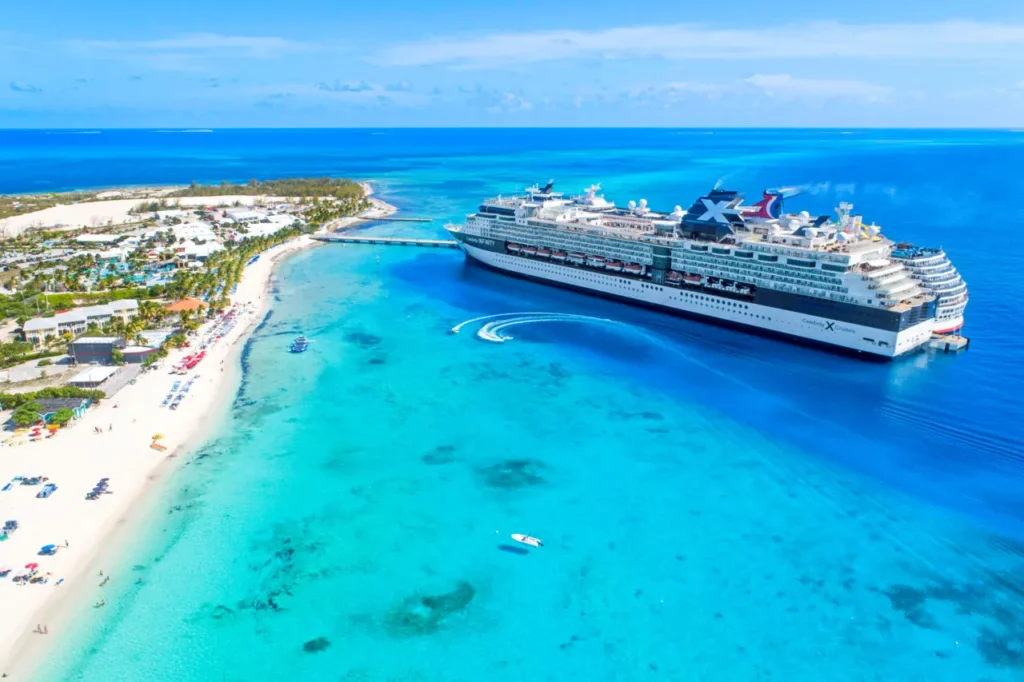
Often rated among the world’s best beaches, this Caribbean hotspot offers an expansive shallow lagoon protected by a coral reef.
The sandy seabed slopes gently, and locals often describe the water feeling like a warm sea-swimming pool.
Why it works for non-swimmers:
- Protected by a coral reef nearly a mile offshore
- Waist-deep water stretches far out
- Almost wave-free year-round
- Excellent visibility and sandy bottom
Best time to visit: December to April
Who it’s ideal for: First-time beach travelers, couples, luxury travelers who value safety
Why It’s Unique
- One of the few beaches where you can walk hundreds of meters out and still be in waist-deep water.
- Calm enough for floating with a noodle or relaxing in the shallows.
2. Seven Mile Beach, Grand Cayman
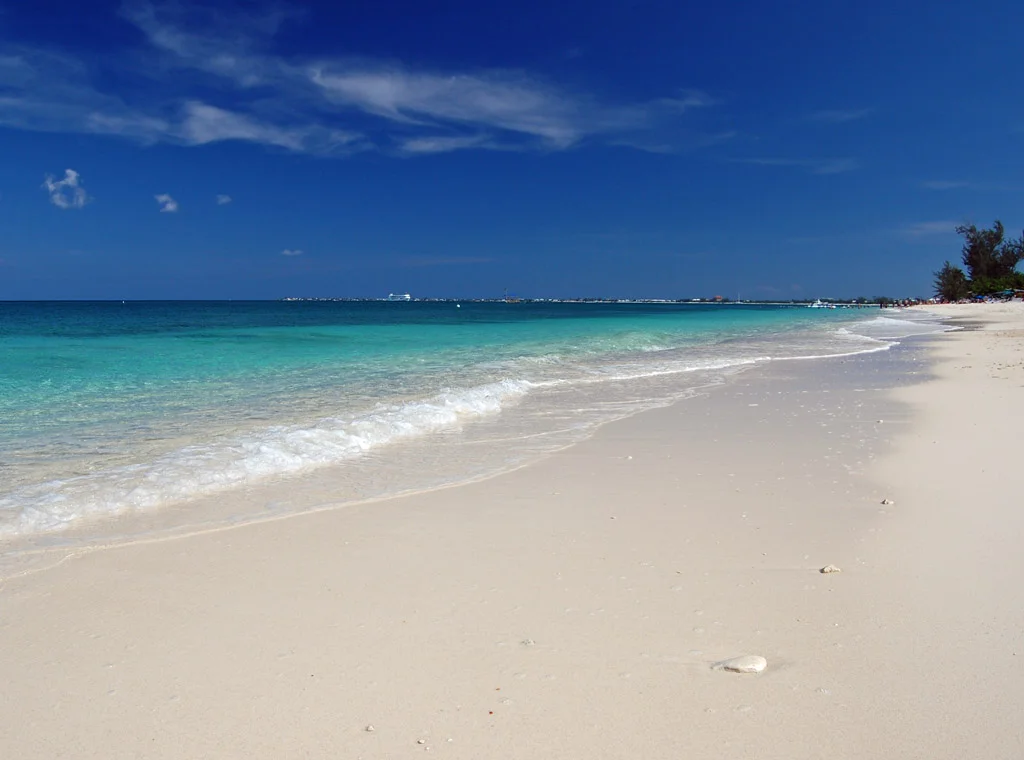
This beach combines Caribbean beauty with exceptional safety standards.
This long stretch is famous for its wide, shallow waters and consistent calm conditions. Locals and lifeguards treat sections of it as casual swimming zones.
Why it works:
- Offshore reef protection
- Very mild currents
- Clean, wide shoreline
- Strong lifeguard presence in many sections
Best time: November to May
Extra reassurance: This beach is frequently used for beginner water activities due to its predictability.
Insider Tip: Early mornings are usually the calmest before winds pick up.
3. Eagle Beach, Aruba
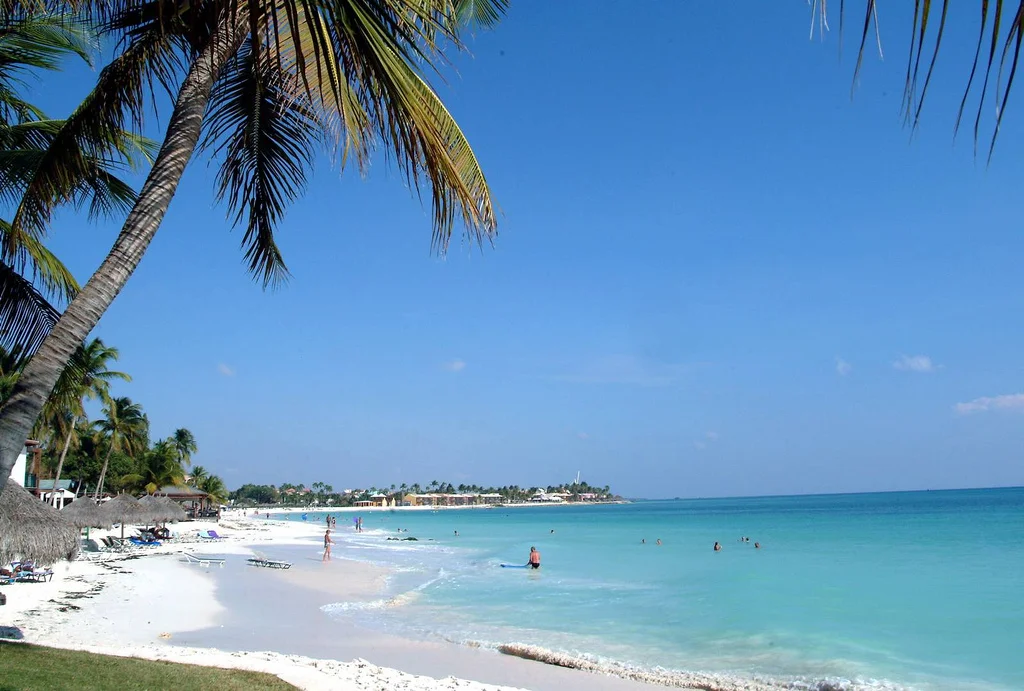
Aruba sits outside the hurricane belt, making its waters more stable than many Caribbean destinations.
Why it works:
- Gentle, consistent wave patterns
- Broad, shallow entry
- Less crowded and calmer than Palm Beach
Best time: April to August (calmest seas)
4. Anse Source d’Argent, Seychelles
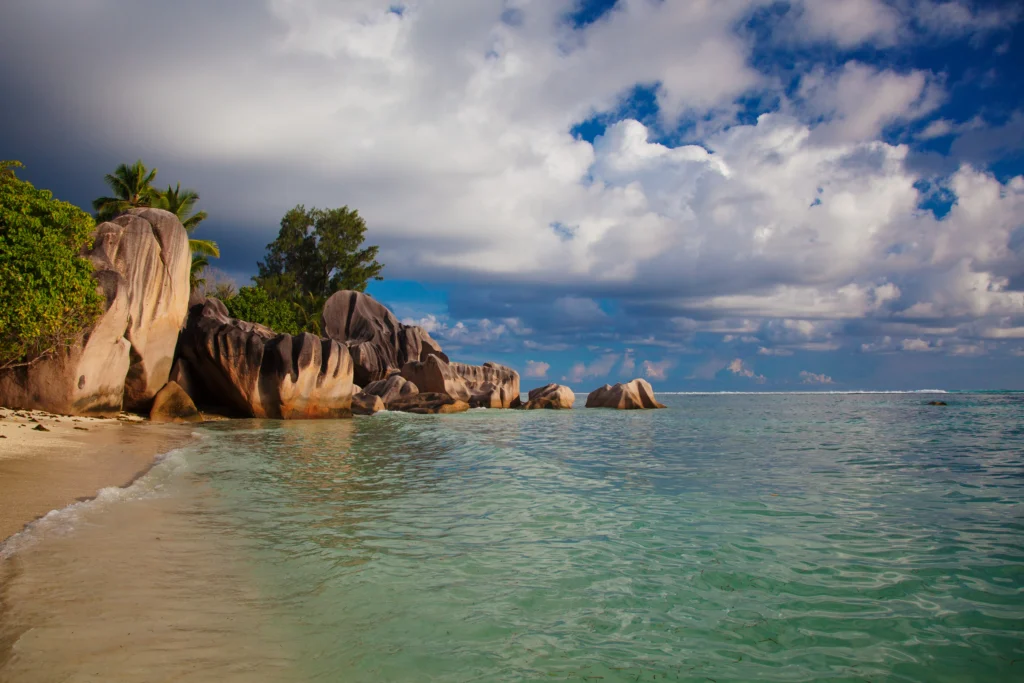
One of the most photographed beaches on Earth and one of the safest.
Why it works:
- Granite rock formations block strong currents
- Shallow, clear lagoons
- Soft sand and slow depth progression
Best time: April–May and October–November
Bonus: Natural shade from rocks and palm trees makes it comfortable for long stays.
5. Baby Beach, Aruba

Officially called Klein Lagoen, Baby Beach lives up to its name. It’s a shallow, sheltered lagoon beloved by families and non-swimmers.
Why Non-Swimmers Love It
- Near-shore water stays ankle to waist height for long distances.
- Visibility is excellent, so you can see the sandy bottom clearly.
- Snorkeling feels safe for beginners.
6. Matira Beach, Bora Bora
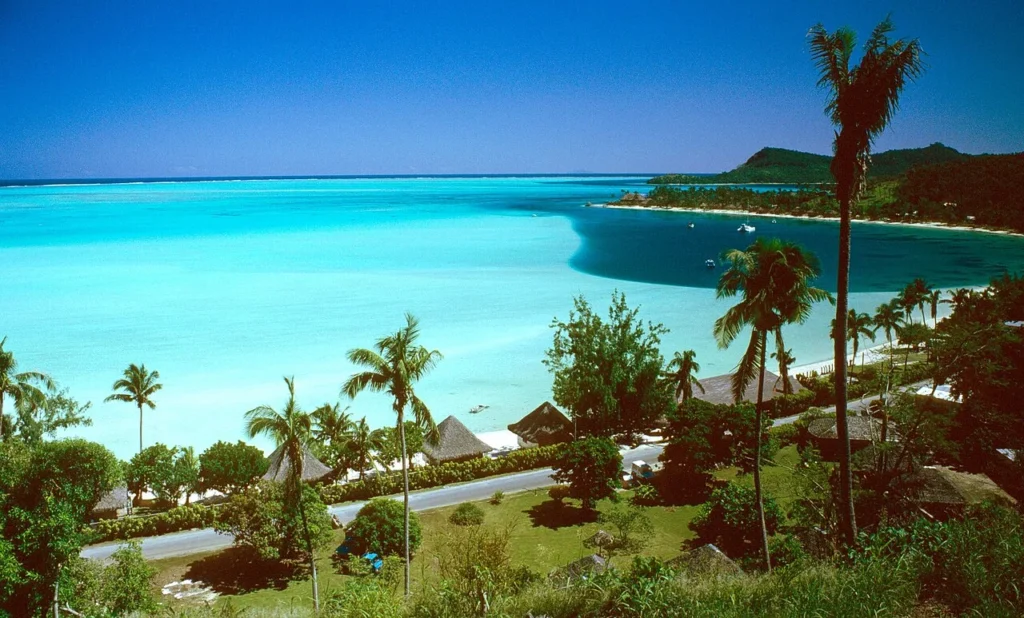
This is what calm water perfection looks like.
Why it works:
- Lagoon protected by a barrier reef
- No rip currents
- Warm water with minimal movement
Best time: May to October
Ideal for: Honeymoons and travelers with strong water anxiety
7. Playa Norte, Isla Mujeres, Mexico

Playa Norte feels like a giant natural swimming pool.
Why it works:
- Located in a sheltered bay
- Knee-to-waist deep water far from shore
- Almost no waves even on windy days
Best time: February to June
8. Sanur Beach, Bali

Sanur offers a calmer alternative to Bali’s surf-heavy west coast.
Why it works:
- Reef-protected shoreline
- Gentle waters even during windy seasons
- Well-maintained walking paths
Best time: May to September
Good to know: Locals often bring children and elderly family members here.
9. Nungwi Beach, Zanzibar
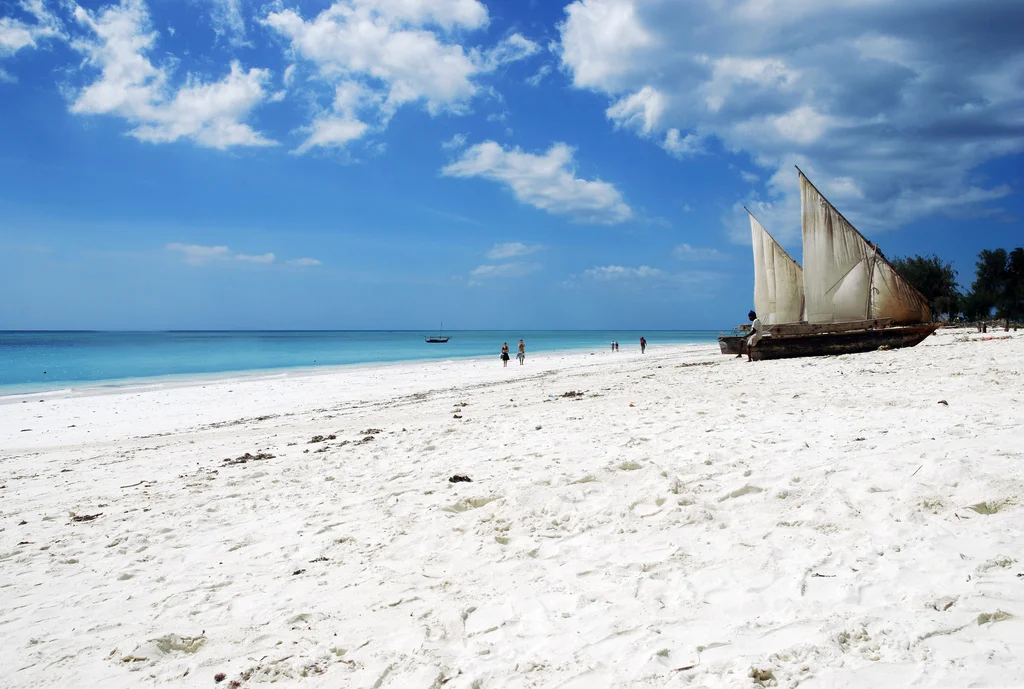
Unlike many East African beaches, Nungwi has minimal tidal extremes.
Why it works:
- Calm waters most of the day
- Sandy seabed
- Fewer sudden depth changes
Best time: June to October
10. White Beach (Station 1), Boracay

Station 1 is Boracay’s calmest and most spacious stretch.
Why it works:
- Powder-fine sand
- Shallow, clear waters
- Sheltered from strong winds
Best time: March to May
11. Butterfly Beach, Goa, India
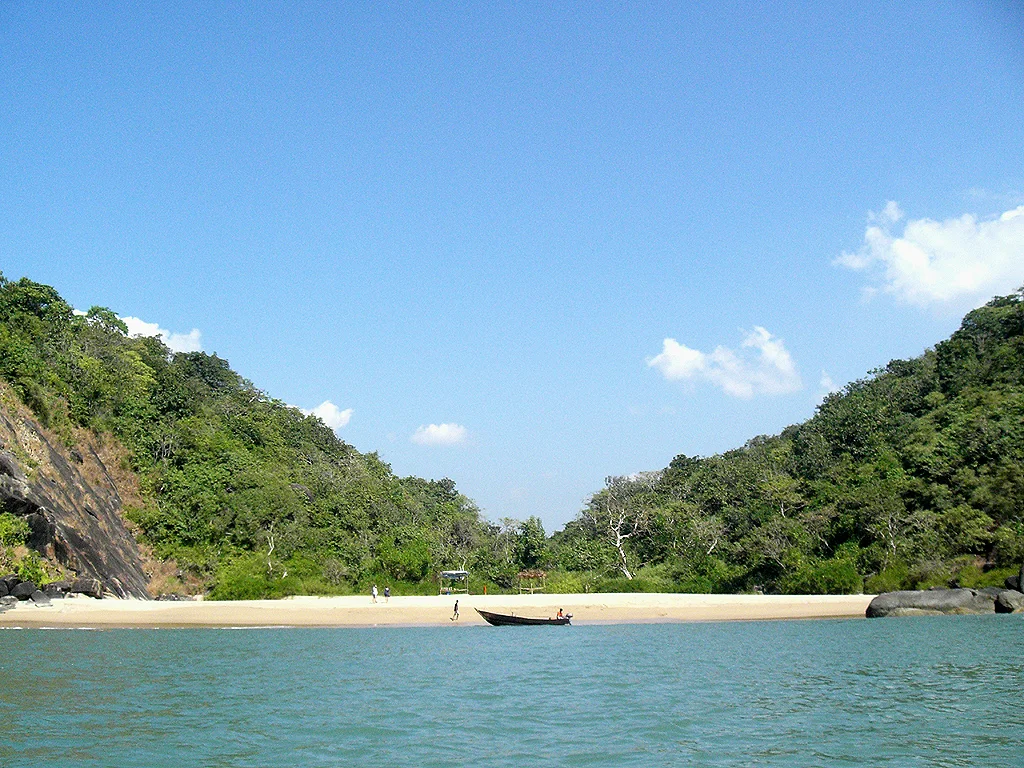
A secluded cove hidden behind forested cliffs with quiet, undisturbed waters and very light waves, ideal for wading and slow seaside walks.
Season: Oct–Mar
What Makes It Stand Out
- No jet skis or large crowds.
- Beaches here often feel private, like your personal calm spot.
12. Lanikai Beach, Oahu, Hawaii
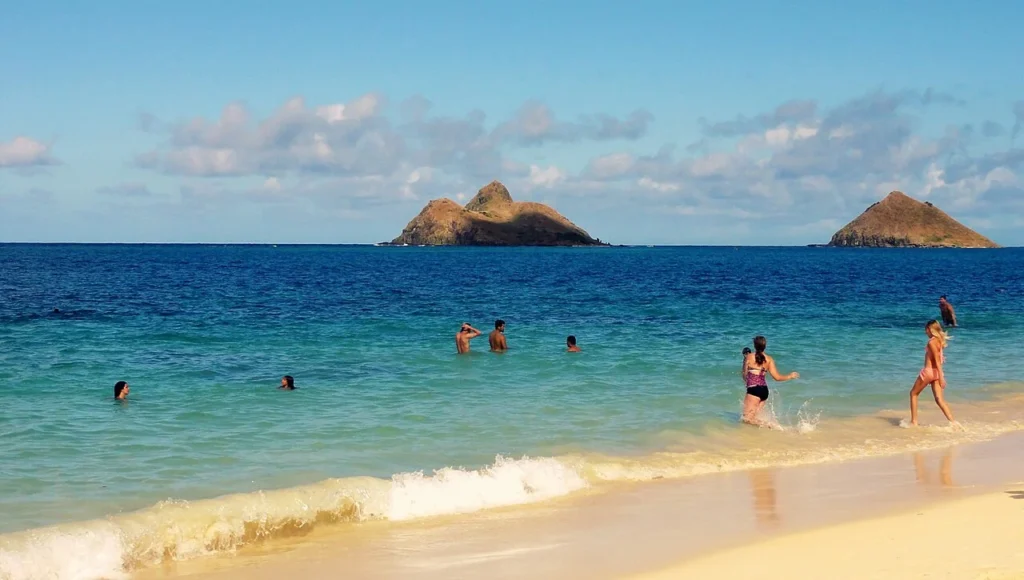
Lanikai offers rare calmness in Hawaii.
Why it works:
- Offshore islands act as wave barriers
- Crystal-clear, shallow water
- Minimal currents
Best time: May to September
13. Minicoy Beach, Lakshadweep, India

Crystal-clear lagoons fringed by coral reefs make this an ideal beach for non-swimmers. You can stroll into the water slowly without sudden depth changes.
What makes it special:
Minicoy is encircled by a coral atoll, which acts as a powerful natural wave barrier. The reef absorbs strong ocean swells long before they reach the shore, leaving the inner lagoon remarkably still and predictable.
Best Time to Visit for Calm Conditions: October to May
14. Pongwe Beach, Zanzibar, Tanzania

A quieter alternative to Zanzibar’s busier north coast. The water here is like a natural tropical pool , still, warm, and gentle; especially in the afternoons.
Why It’s Special
- Lagoon-like cove with minimal boat traffic.
- Sunset scenes here are considered among the most romantic on the island.
15. Diani Beach, Mombasa, Kenya

Diani Beach sits on Kenya’s Indian Ocean coast, about 30 km south of Mombasa in Kwale County and stretches roughly 17 km of pristine white sand framed by palm trees and gentle, shallow water that often feels like a natural lagoon.
Why its special:
This isn’t just another beach, it’s part of a vibrant coastal ecosystem, cultural heritage zone, and biodiversity hotspot that has drawn attention from travelers, conservationists, and marine scientists alike.
Note: If you plan turtle-watching or wildlife tours, check schedules and join ethical guided walks to avoid disturbing nesting animals.
Best Time : December to March (Short Dry Season) and June to October (Long Dry Season)
Beaches Non-Swimmers Should Be Careful With
Even famous beaches aren’t always safe:
- Open-ocean beaches without reefs
- Surf beaches on west-facing coasts
- Beaches during monsoon or hurricane seasons
- Beaches known for rip currents
Popularity does not equal safety.
Advanced Beach-Selection Tips (Not Commonly Shared)
Seasonal Calmness Matters
Many beaches are calm only part of the year. For example:
- Bali sees very calm waters May–Sept.
- Zanzibar’s calmest sections are often south of the island.
- Goa and Lakshadweep outside monsoon months are best.
Micro-Zones Within Beaches
Not all parts of the same beach behave equally:
- Headlands and breakwaters can create micro-coves where water stays flat.
- Shallow offshore sandbars often mean softer waves.
- Areas near mangroves tend to have slower currents.
Tide Timing Insight
If you visit at mid-tide, the water depth remains more predictable. Early morning low tide also tends to expose sandbanks where even non-swimmers can wander calmly.
Practical Safety Tips for Non-Swimmers
- Always check seasonal conditions
- Enter water slowly and diagonally
- Stay within waist depth
- Avoid isolated beaches
- Use flotation aids if it boosts confidence
- Observe locals, if they’re not entering, don’t
Confidence grows with awareness. Understanding beach safety scientifically can make non-swimmers more confident:
Flag Signals
Check local flags:
Red = stay out
Always ask lifeguards about hidden currents.
Green = calm conditions
Yellow = be cautious
How to React to a Rip Current
If you feel pulled:
- Don’t fight it
- Swim parallel to shore
- Then return once out of it
This technique is taught by global lifesaving authorities.
Walking & Wading Confidence Builders
- Start in ankle-deep water and walk out until you feel comfortable.
- Use flotation aids like noodles or inflatable seats.
- Never go alone, even calm water can surprise.
Emotional Comfort Matters Too
Calm beaches do more than protect physically, they heal mentally. Clear water reduces fear, shallow entry builds trust, and stillness allows you to reconnect with nature without panic.
You don’t need to swim to belong at the beach.
Smart Planning Checklist Before You Go
- Check season and tide charts
- Locate nearby lifeguards
- Learn local flag systems
- Bring flotation aids if needed
- Pick a gentle shoreline zone near shore access
- Go during calmest parts of the day (often morning)
Final Thoughts
A tropical beach vacation should never feel like a test of bravery. With the right destination, even non-swimmers can enjoy the ocean safely, slowly, and joyfully.
Calm-water beaches prove that the sea can be gentle, welcoming, and deeply relaxing, no swimming skills required.
Sometimes, the most magical beach moments happen standing ankle-deep in warm water, listening to waves that barely whisper.
With a bit of knowledge and preparation, the ocean becomes not a challenge, but a peaceful companion on your travel journey.
Stay tuned with us. Further, follow us on social media for the latest updates.
Join us on X, Instagram for the Latest Travel related updates.