
A new analysis of European crime data has identified the countries where tourists face the greatest risk of theft, highlighting patterns of tourist theft in Europe, including pickpocketing, vehicle theft, and residential break-ins.
The United Kingdom, France, and Denmark top the list, according to the report, which combined national crime statistics to measure where visitors are most likely to experience theft while traveling.
Travelers should not panic. Theft is a common but generally nonviolent crime and can be reduced with simple precautions. Still, knowing which destinations show elevated theft reports helps visitors plan smarter and travel safer.
What the study measured and how the ranking was made
The analysis, produced by trading firm Atmos and summarized in a Travel + Leisure report, tallied multiple kinds of property crimes to estimate overall tourist theft risk.
The researchers used publicly available crime figures including counts of residential burglaries, vehicle thefts, general theft incidents, and robbery reports to create a composite score for each country.
That method favors countries with both high absolute numbers of thefts and frequent incidents in tourism zones.
Important caveat: countries with large populations and heavy visitor traffic tend to show higher raw counts.
Per capita risk and localized hotspots inside cities may tell a different story than national totals.
Report authors and crime analysts warn readers to interpret headline rankings as an alert to be cautious, not as a reason to avoid travel altogether.
Top countries where tourists are most often targeted
1. United Kingdom
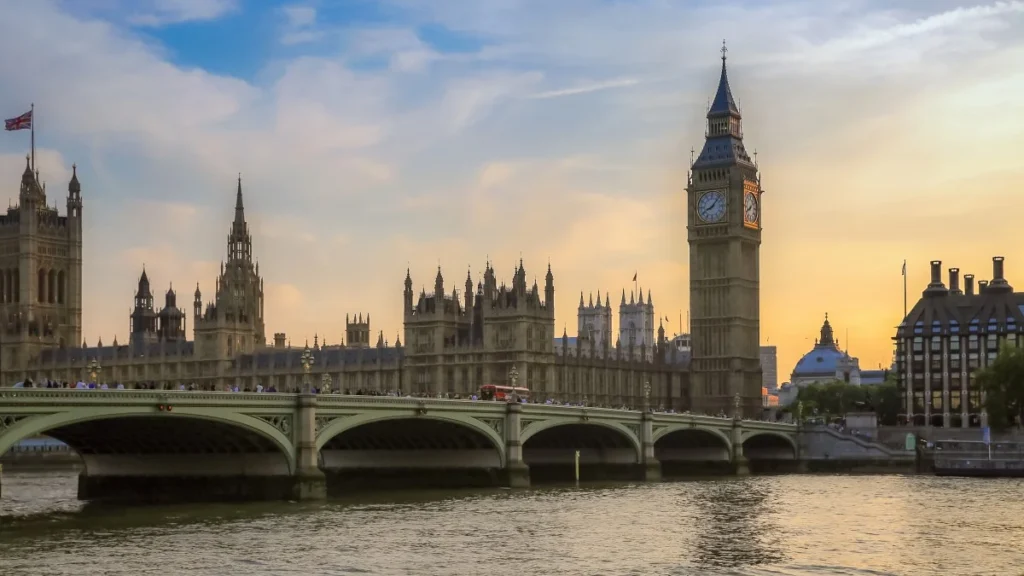
The study ranked the United Kingdom as the highest risk destination in Europe for tourist-targeted theft.
The report highlights very large numbers of residential burglaries and vehicle thefts, and thousands of pickpocketing incidents concentrated in busy urban tourist corridors.
Visitors should be especially careful in crowded stations, markets, and central shopping districts.
2. France

France placed second. The report notes thousands of robberies and more than a hundred thousand pickpocket cases annually, many occurring in and around luxury hotels, major museums, and upscale shopping areas.
High-profile tourist sites attract both visitors and opportunistic thieves. Paris in particular repeatedly appears in pickpocket surveys as a hotspot for purse snatches and distraction theft.
3. Denmark

Denmark comes in third on the list when measured against the other countries included. The report flagged a high rate of break-ins relative to Denmark’s population and an elevated number of general theft reports.
Short-term rental guests are urged to confirm the security of Airbnbs and vacation apartments before booking.
Safer picks

On the low end of reported theft, Latvia was named among the safest countries on the Atmos list, with far fewer thefts recorded annually.
That relative safety does not eliminate common-sense precautions but may reflect both lower visitor volumes and lower absolute crime counts.
Why theft against tourists happens and who is most at risk
Criminologists have long observed that theft is the most common crime affecting tourists because visitors often carry visible valuables and spend time in crowded public spaces.
Arizona State University research and crime prevention guides note that property crimes are much more likely than violent crimes for travelers, and that offenders often target places where tourists concentrate.
Reporting practices also matter. Tourists sometimes do not report crimes, and some countries record crimes differently, which can affect comparisons.
City hotspots and common tactics
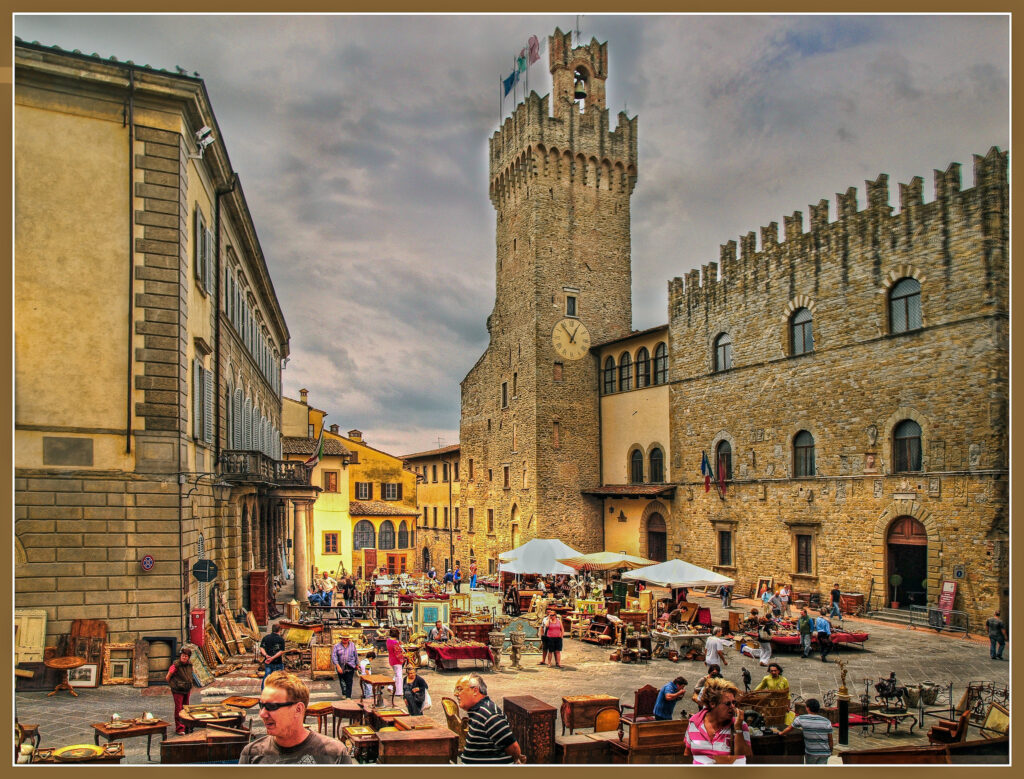
Major city centers and transport hubs are frequent hotspots. Common tactics include:
- Pickpocketing in crowded transit, at monuments, and in markets.
- Distraction thefts where one person distracts while an accomplice takes a bag or wallet.
- Scams that begin with a friendly approach and end with theft of personal items.
- Vehicle break-ins and thefts targeting rental cars parked near tourist sites.
How the European numbers compare to other places
To put the findings in perspective, property crime totals vary around the world and even within nations.
For example, national burglary numbers in the United States remain substantial, reminding travelers that theft is a common risk in many places.
Comparing absolute numbers is useful but incomplete. Per capita rates, tourist density, policing patterns, and local circumstances determine an individual traveler’s real exposure. Use national figures as one input, not the only one.
Practical safety steps for every traveler
These tactics reduce the odds that you become a theft victim while abroad:
- Use a hotel safe for passports and extra cash.
- Carry only what you need for the day and keep cards and cash in multiple locations.
- Choose bags with secure closures, lockable zippers, and RFID protection if you prefer.
- Wear bags across the body and keep them in front in crowded places.
- Avoid flashing high value items like designer handbags or expensive cameras in public.
- Park in secure, well-lit areas and do not leave valuables visible inside rental cars.
- Use a money belt when visiting extremely crowded areas or transit hubs.
- Get travel insurance that covers theft, and save digital copies of important documents.
- Register your trip with your embassy or consulate if offered.
- If a theft happens, report it to local police, your accommodation, and your insurer promptly.
What to do if you are targeted
Stay calm and prioritize personal safety. Do not chase thieves. If a mobile phone or wallet is taken:
- Call your bank to block cards immediately.
- Use remote tracking or wipe tools for lost phones where possible.
- Report the loss to local police and request a copy of the police report for insurance claims.
- Contact your embassy if you lose travel documents.
Data limitations and what the report may not show
No single study can perfectly measure tourist risk. Limitations include:
- Differences in crime reporting between countries.
- Large countries with high population or heavy tourism naturally record more incidents.
- Local city-level hotspots can differ from national averages.
- Many thefts are not reported, and tourists sometimes go uncounted in official statistics.
Readers should use the report as a practical warning to adopt sensible precautions, not as a definitive travel ban list.
Quick FAQ
Yes. Millions of visitors travel safely every year. Be mindful in crowded areas and protect valuables.
Pickpocketing and petty theft are the most common property crimes against tourists. Violent crime targeting tourists is much rarer.
Yes. Insurance that covers theft and loss is recommended for international travel.
Yes. Hotel safes reduce the risk of losing passports and valuables if your accommodation is targeted.
Do not display expensive items and split your cash and cards so a single loss does not ruin your trip.
Stay tuned with us. Further, follow us on social media for the latest updates.
Join us on X, Instagram for the Latest Travel related updates.