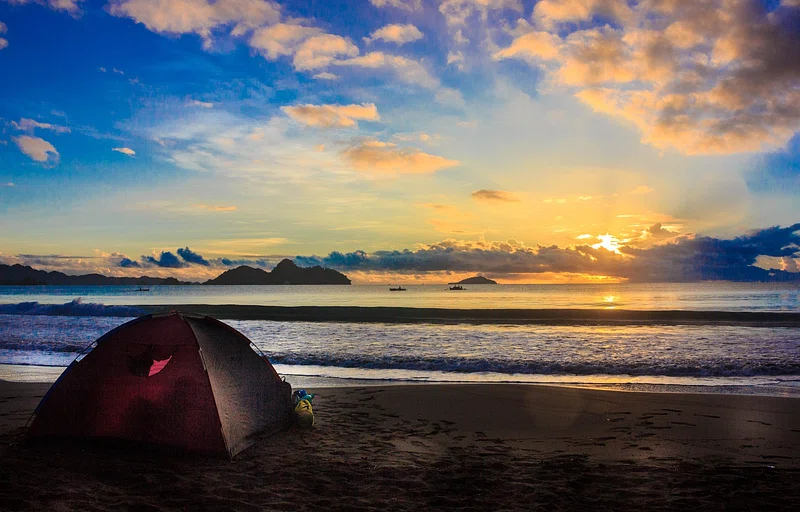

Beach camping is one of the purest ways to travel. No walls, no schedules, no artificial noise. Just you, the shoreline, and the slow rhythm of the sea.
But the idea of beach camping is often romanticized. In reality, camping by the ocean demands more awareness than most other outdoor experiences. Tides move. Winds shift. Weather changes quickly. Rules vary widely.
This guide is designed to give you everything you need to camp on a beach safely, legally, and comfortably, whether you are a first timer or an experienced backpacker.
Is Beach Camping Allowed and How to Check Properly
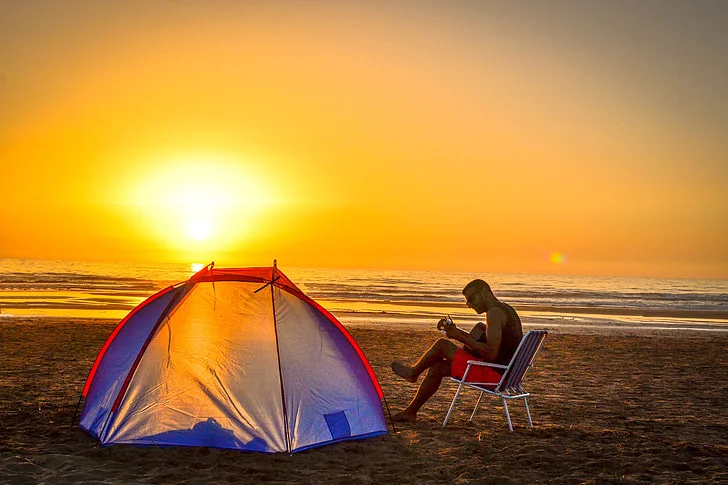
One of the biggest mistakes travelers make is assuming beach camping is allowed because the beach looks empty.
In many countries, beaches are protected by coastal laws, forest departments, or local councils. Camping may be allowed only in designated zones or not at all.
Before you go:
- Check official park or municipal websites
- Look for signs posted near beach entrances
- Contact local tourism offices
- Ask locals or fishermen politely
Never rely solely on blogs or social media for permission.
Choosing the Right Beach for Camping
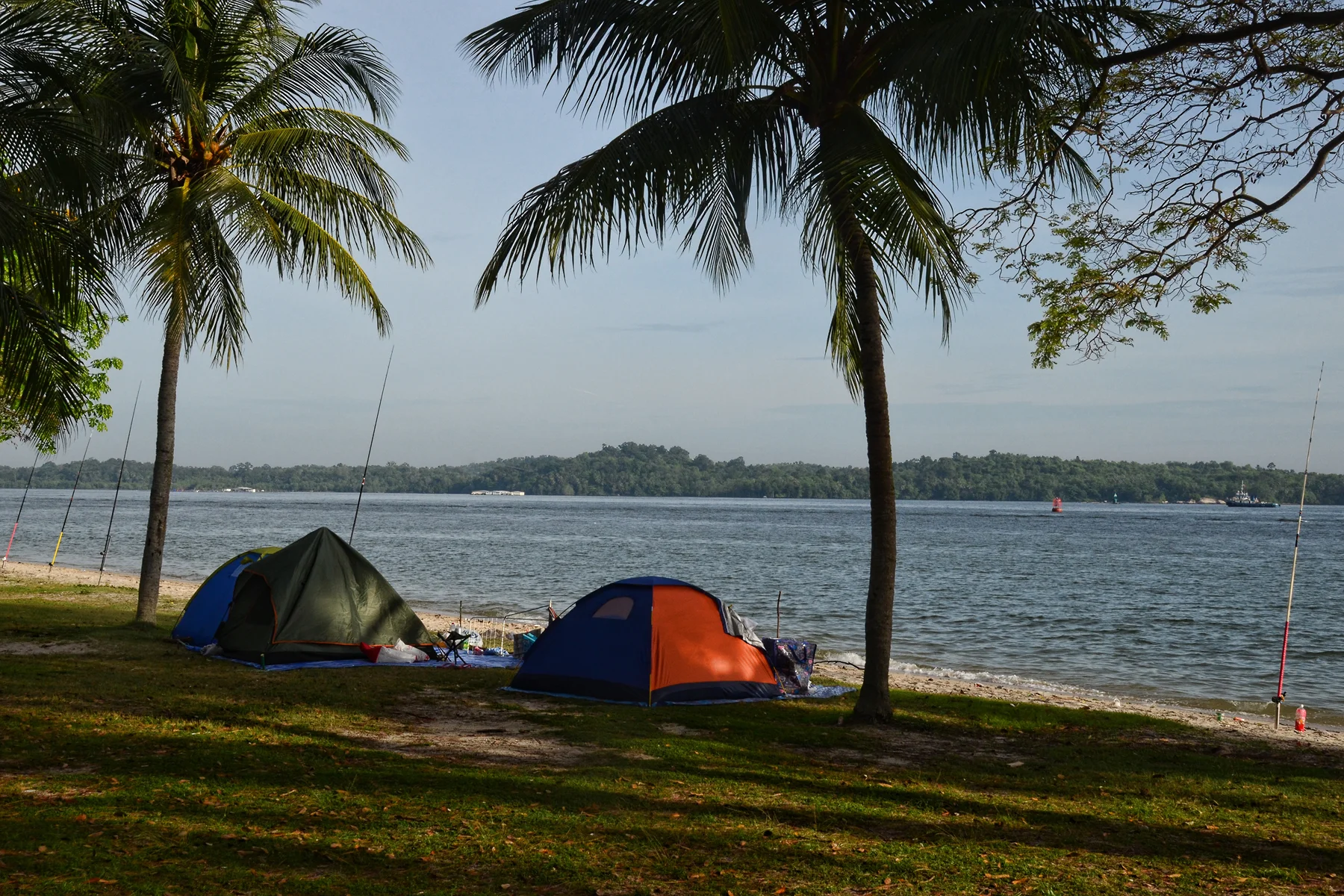
Not all beaches are camping friendly. The right location makes all the difference.
Look for beaches that offer:
- Gradual slopes rather than steep drop-offs
- Natural wind protection like dunes or rocks
- Clean surroundings with minimal debris
- Access to fresh water nearby
- Low foot traffic at night
Avoid beaches near river mouths, cliffs, or strong currents. These areas can be dangerous, especially after dark.
If possible, speak to locals or fishermen. They understand tides, winds, and seasonal changes better than any guidebook.
Understanding Tides and Weather Is Non Negotiable
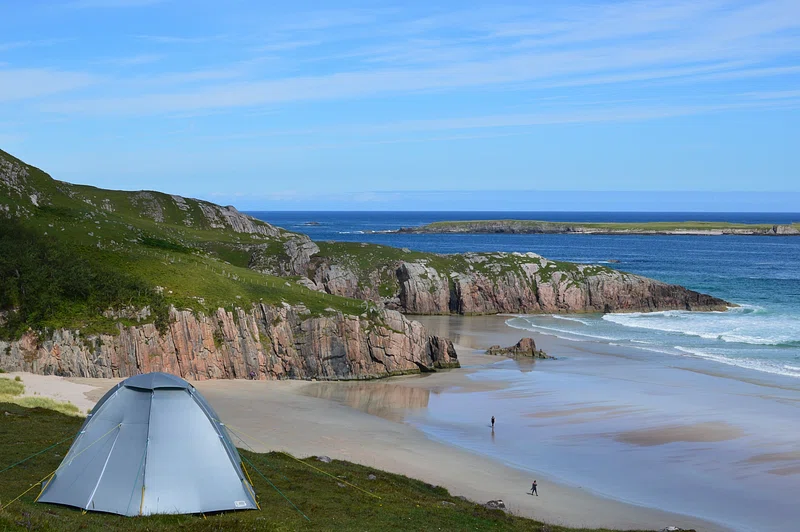
The ocean does not care about your plans.
Always check tide charts before setting up camp. High tide can move much further inland than expected, especially during full moons or stormy conditions.
Set up your tent:
- Well above the high tide line
- Away from wet sand or seaweed trails
- At least 20 to 30 meters from the water
Weather matters just as much. Coastal winds can shift suddenly, and storms can form offshore without warning.
Check forecasts from at least two sources before leaving.
Essential Beach Camping Gear You Actually Need
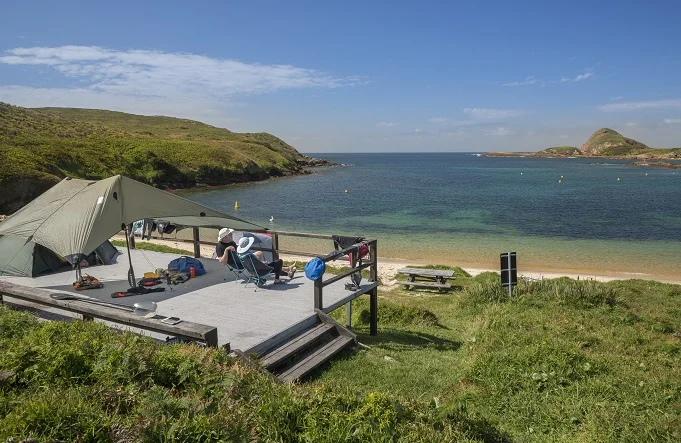
Beach camping requires slightly different gear than forest or mountain camping.
Shelter and Sleeping
- A low profile, wind resistant tent
- Sand stakes or Deadman anchors
- Groundsheet or footprint
- Sleeping mat to block cold sand
- Lightweight sleeping bag or blanket
Clothing
- Quick drying clothes
- Windbreaker or light jacket
- Warm layer for night
- Hat and sunglasses
- Extra socks
Cooking and Food
- Portable stove with wind shield
- Simple meals that do not require refrigeration
- Plenty of drinking water
- Reusable containers
- Trash bags
Safety and Miscellaneous
- Headlamp or torch with red light mode
- First aid kit
- Power bank
- Sunscreen and insect repellent
- Multi tool
Avoid overpacking. Sand makes heavy bags feel heavier.
How to Set Up Camp on Sand Properly
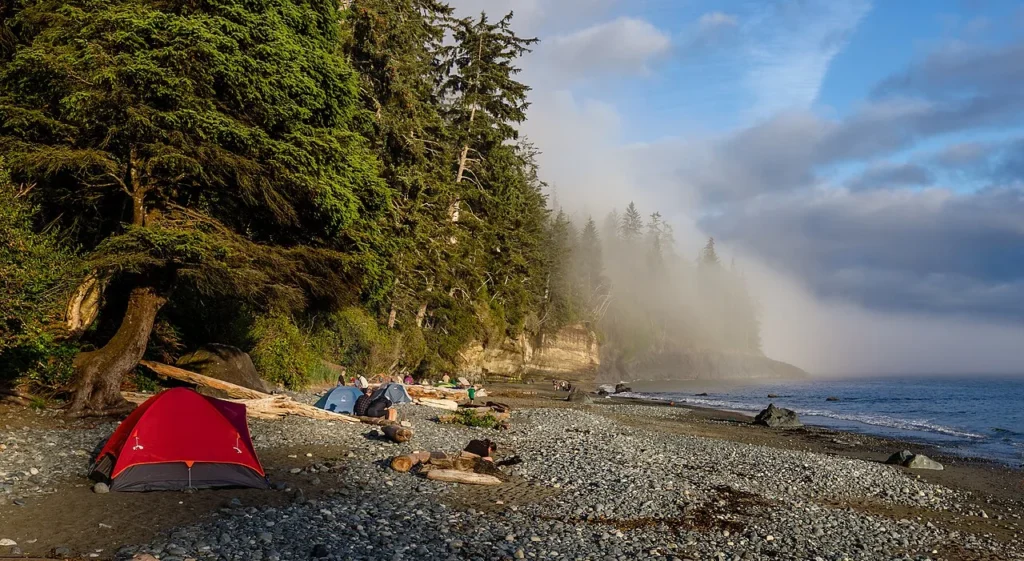
Sand behaves differently than soil. Regular tent pegs often fail.
Use sand specific stakes or bury objects horizontally and tie guylines to them. This creates strong anchors even in soft sand.
Pitch your tent with the narrow end facing the wind. Secure all guy lines. A loose tent will flap loudly all night.
Clear sharp shells and debris before laying your groundsheet.
Cooking, Water, and Hygiene on the Beach
Beach cooking requires planning.
Use wind protected stoves and avoid cooking inside tents. Keep food simple. Dehydrated meals, wraps, and one pot recipes work best.
Water is critical. Beaches rarely have potable water. Carry more than you think you need, especially in hot climates.
For hygiene:
- Use biodegradable soap away from the shoreline
- Never wash directly in the sea
- Use portable toilets or dig catholes only where legal
Wildlife and Night Awareness
Beaches host more life than most people realize.
Crabs, insects, stray dogs, and birds are common. In some regions, turtles nest at night.
Do not:
- Shine lights on nesting turtles
- Touch marine animals
- Leave food unattended
Keep your camp quiet and minimal after dark.
Campfire Rules and Alternatives
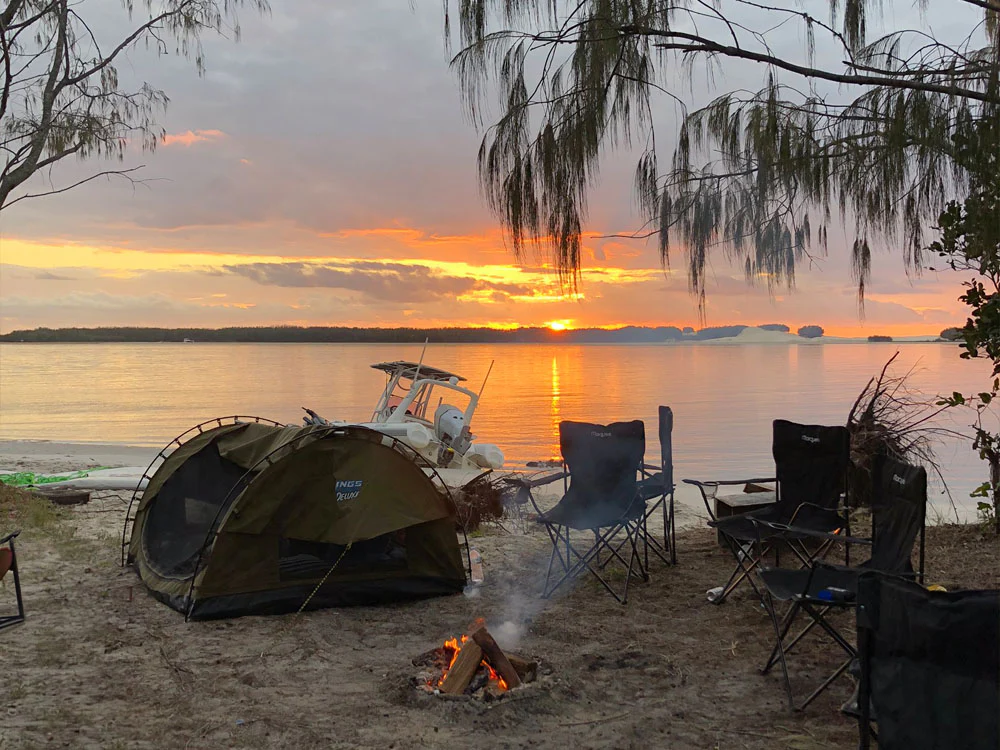
Many beaches ban open fires due to safety and environmental concerns. Even where allowed, fires can damage sand ecosystems.
If fires are permitted:
- Use existing fire pits
- Keep fires small
- Never leave them unattended
- Fully extinguish before sleeping
If fires are not allowed, use:
- LED lanterns
- Solar lights
- Headlamps
You will still enjoy the atmosphere without risking fines or damage.
Photography and Stargazing Tips
Beach campsites offer incredible night photography.
For better results:
- Use tripods
- Avoid artificial lights
- Shoot during new moon phases
- Protect gear from salt spray
Stargazing is often exceptional due to open horizons and minimal obstruction.
Beach Camping Safety Tips Most People Ignore
- Never sleep directly on the open beach without shelter
- Keep footwear inside your tent at night
- Know emergency contact numbers
- Inform someone about your location and return time
- Avoid swimming at night
- Be cautious of strong currents and jellyfish
If something feels off, trust your instincts.
Beach Camping With Kids or as a Solo Traveler
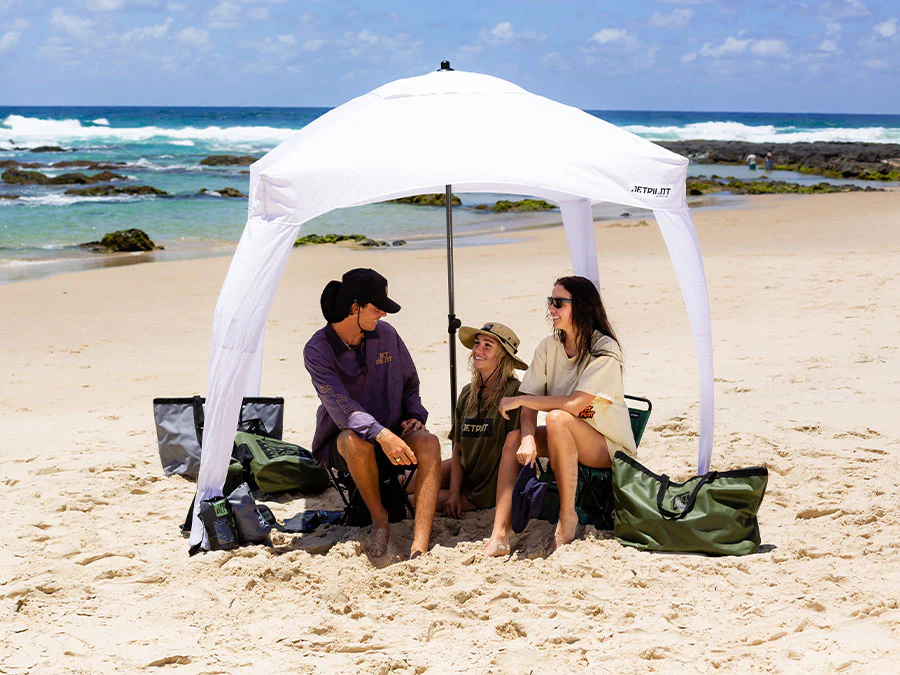
For families:
- Choose managed beach campgrounds
- Avoid remote or high surf areas
- Keep strict water rules
For solo travelers:
- Inform someone of your location
- Camp closer to known routes
- Trust instincts over plans
Both experiences can be rewarding with the right precautions.
Common Mistakes That Ruin Beach Camping Trips
- Camping too close to the water
- Ignoring wind direction
- Underestimating night temperatures
- Leaving food exposed
- Arriving without checking tides
Learning from these mistakes before you go makes all the difference.
Leave No Trace Is Not Optional
Beach ecosystems are fragile.
Follow these principles strictly:
- Pack out everything you bring
- Do not bury trash
- Avoid disturbing dunes and vegetation
- Use biodegradable products
- Do not collect shells or coral
Leave the beach exactly as you found it, or better.
Best Beach Camping Destinations Around the World
Some places are known for responsible beach camping experiences.
- Andaman and Nicobar Islands, India
- Byron Bay, Australia
- Big Sur, California
- Algarve Coast, Portugal
- Koh Rong, Cambodia
Always check local regulations before planning.
What Makes Beach Camping Unique
Beach camping is different from forest or mountain camping in three key ways.
First, the environment is open and exposed. There are no trees to block wind or sun. Second, the ground is unstable, which affects shelter, sleeping comfort, and cooking. Third, the ocean is dynamic. Conditions can change while you sleep.
Understanding these differences is the foundation of successful beach camping.
Is Beach Camping Right for You
Beach camping is not luxury travel. It is about simplicity, patience, and adaptability.
If you enjoy waking up with the sun, adjusting plans based on nature, and embracing minimal comforts, beach camping can become one of your favorite ways to travel.
The ocean teaches you to slow down.
Final Thoughts
Beach camping is not about convenience. It is about presence.
You adapt to tides instead of fighting them, wake with the sun instead of alarms. You listen instead of rushing.
When done responsibly, beach camping becomes more than an overnight stay. It becomes a lesson in patience, respect, and simplicity.
And those are the trips that stay with you forever.
Stay tuned with us. Further, follow us on social media for the latest updates.
Join us on X, Instagram for the Latest Travel related updates.