
Best beachside dining experiences is no longer just about eating near the ocean. In 2026, it represents a complete travel experience where cuisine, landscape, culture, and emotion merge into one unforgettable moment.
From dramatic cliffside caves in Southern Europe to barefoot beach shacks in Asia and glamorous island restaurants on the French Riviera, dining by the sea has become one of the most powerful motivations for global travel.
Why beachside dining matters
Modern travelers value experiences over possessions. Beachside dining offers something few experiences can replicate: the stimulation of all five senses.
The sound of waves lowers stress levels, salt rich air enhances appetite, sunset light improves flavor perception, and open horizons create emotional memory that lasts long after the trip ends.
Studies in hospitality psychology show that meals consumed in emotionally engaging environments are remembered more vividly and rated higher in satisfaction.
This is why seaside restaurants consistently outperform inland fine dining venues in traveler reviews and why Michelin, luxury travel editors, and destination boards increasingly highlight coastal dining as a core attraction.
The four global categories of beachside dining
Understanding these categories helps travelers choose the right experience rather than simply chasing famous names.
1. Cliffside and cave restaurants
Restaurants carved into cliffs or caves above the sea offer dramatic views and exclusivity. These are ideal for anniversaries, proposals, and once in a lifetime trips. They often require reservations weeks in advance and follow smart casual or formal dress codes.
2. Sand level barefoot dining
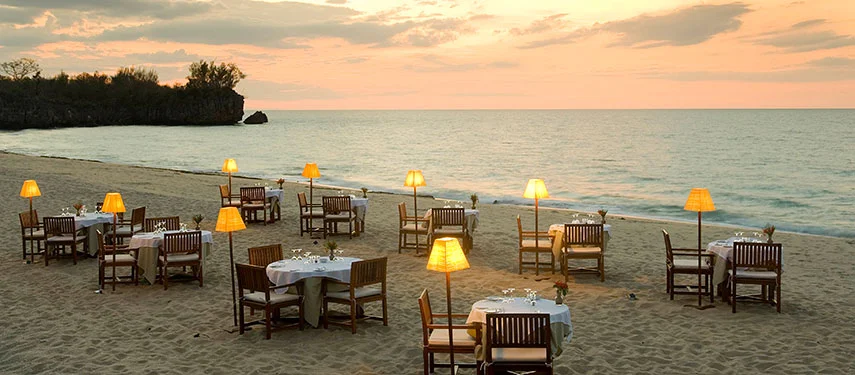
Located directly on the beach, these range from rustic shacks to traditional tavernas. They emphasize freshness, simplicity, and local culture. Expect minimal reservations, long queues during peak hours, and exceptional value for money.
3. Luxury beach clubs and resorts
These venues combine dining with cocktails, music, design, and full day lounging. Popular in destinations like Bali, Ibiza, and the Maldives, they offer consistent service and curated menus, though sometimes with less culinary authenticity.
4. Coastal fine dining cities
Urban coastal areas such as Cape Town, Sydney, and Lima offer refined dining with ocean views while retaining access to cultural attractions, wine regions, and city life.
The world’s most iconic beachside dining experiences
Grotta Palazzese
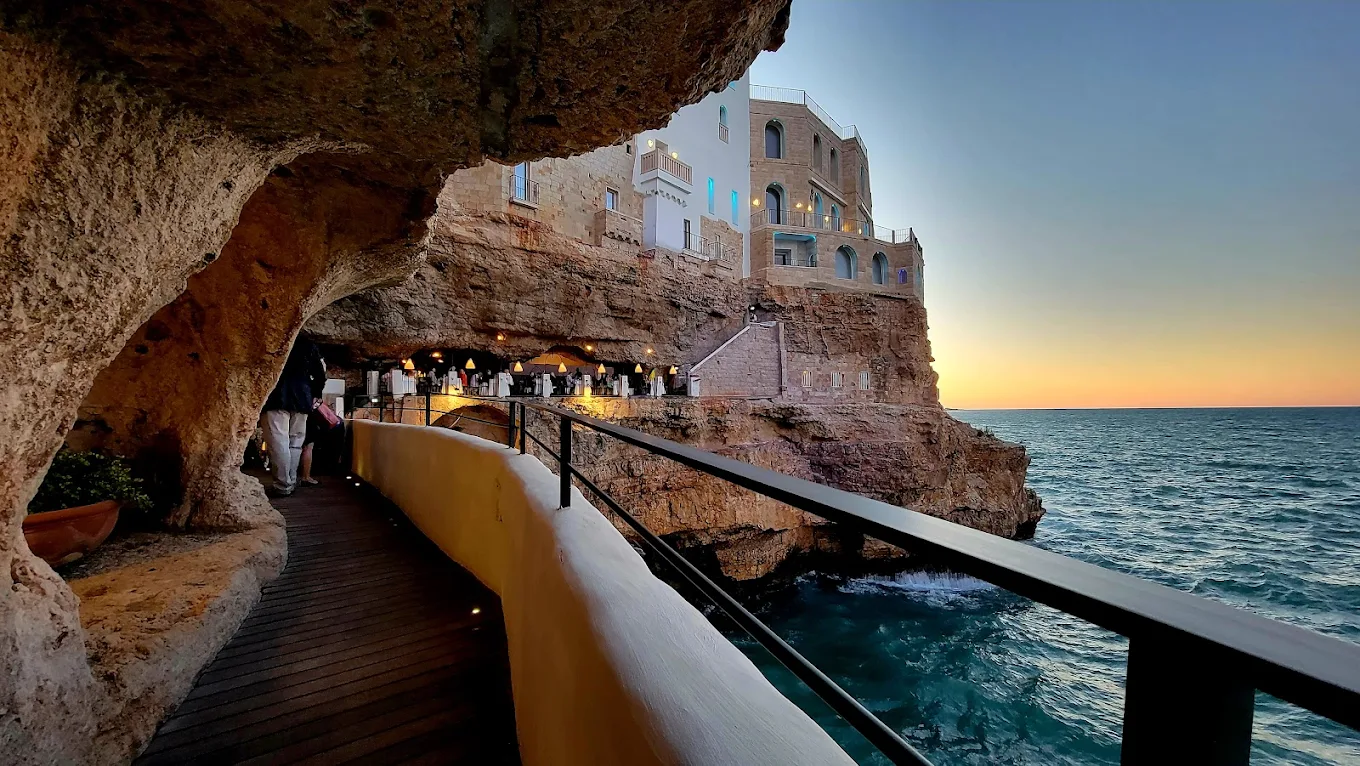
Built into a natural limestone cave overlooking the Adriatic Sea, this restaurant is one of the most visually dramatic dining locations on earth.
Why it is iconic
The cave amplifies the sound of waves, creating a natural acoustic experience that no design can replicate.
What to eat
Raw Adriatic seafood, handmade orecchiette with shellfish, local olive oil based desserts.
Best time to visit
May, June, and September offer ideal weather with fewer crowds.
Kiki’s Tavern
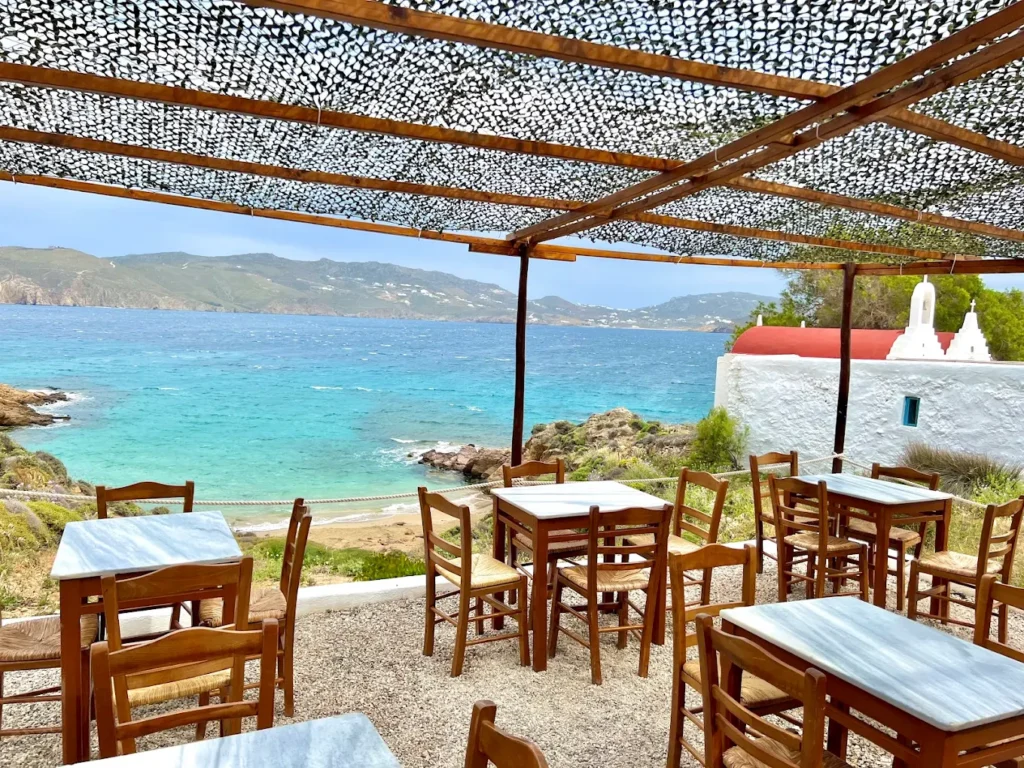
A legendary beach taverna with no reservations and no printed menu.
Why it works
Everything is based on the daily catch and traditional grilling methods. The simplicity is the appeal.
What to eat
Grilled octopus, fresh fish, Greek salad, crusty bread.
Pro tip
Arrive before late morning or mid afternoon to avoid long queues.
La Guérite
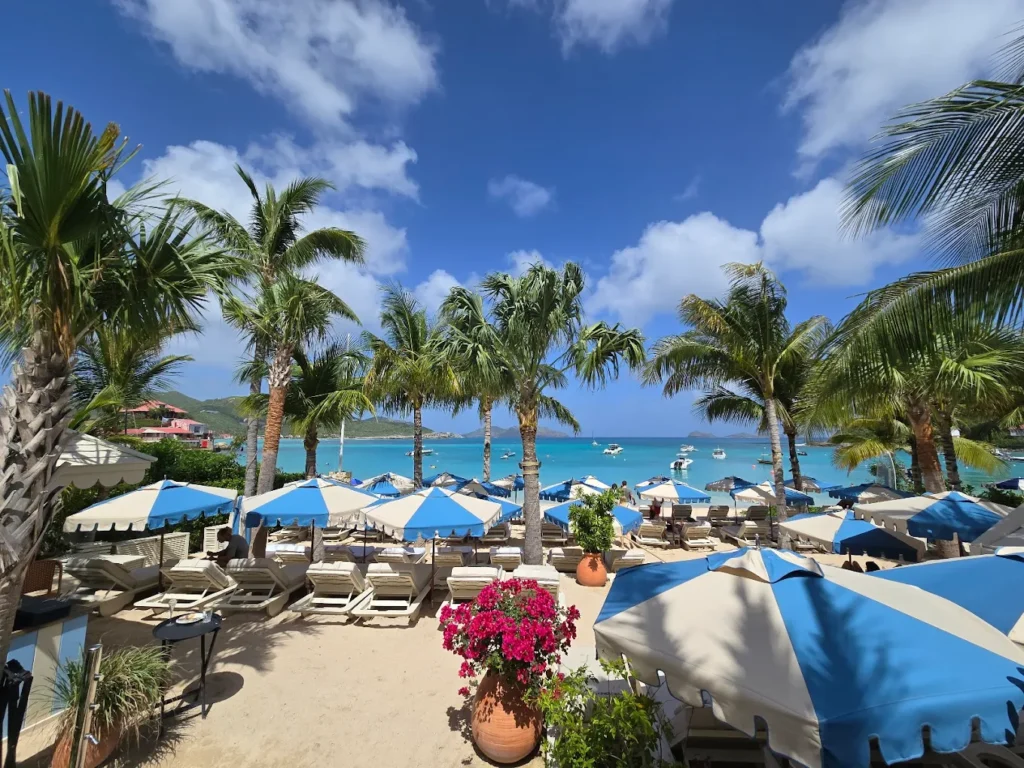
Located on Île Sainte Marguerite, accessible mainly by boat, this restaurant blends Provençal cuisine with Riviera glamour.
Why it stands out
Its island setting filters crowds and creates an exclusive yet joyful atmosphere, especially during the Cannes Film Festival.
Must try dishes
Salt baked sea bass, lobster pasta, Provençal vegetables, chilled rosé.
The View at Soneva Kiri
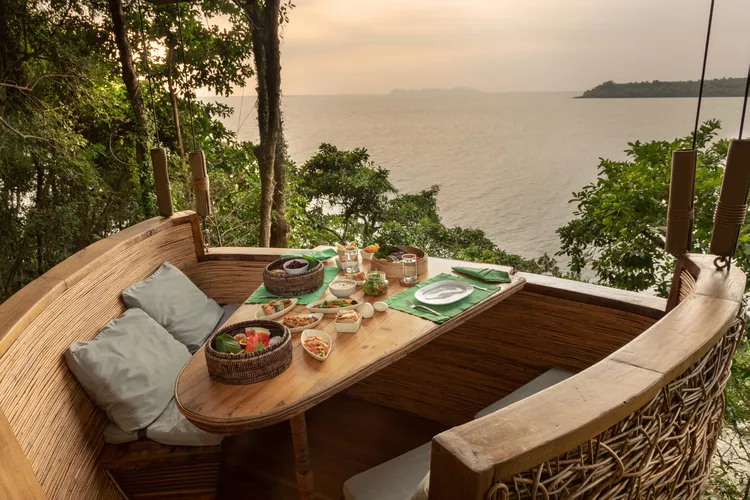
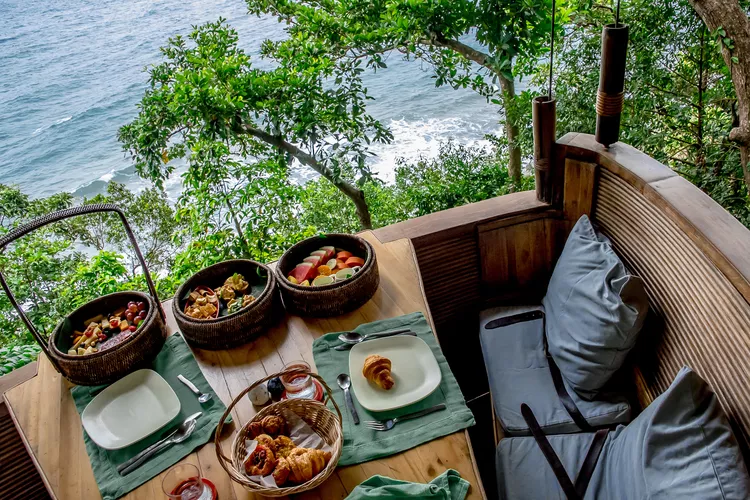
A cliffside fine dining experience within a luxury eco resort overlooking the Gulf of Thailand.
Why it is special
It combines sustainable sourcing, foraged ingredients, and refined techniques with panoramic ocean views.
What to expect
Tasting menus focused on local fish, tropical herbs, and seasonal produce.
Tulum Beach
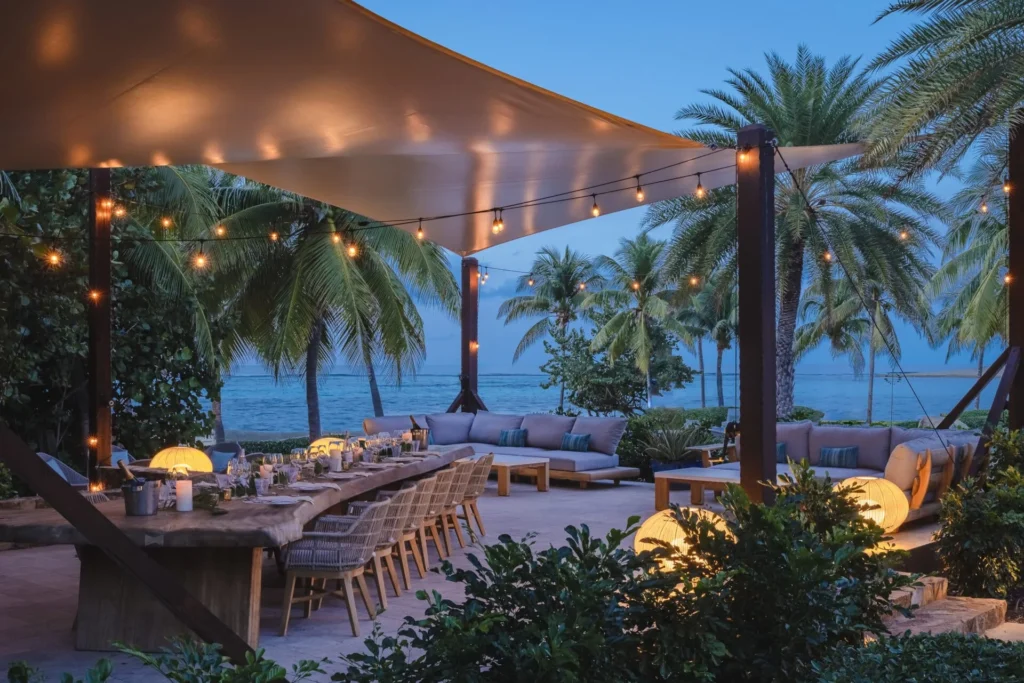
Rather than one restaurant, Tulum offers a collection of bohemian beachfront cabanas focused on sustainability.
Why travelers love it
Barefoot dining, candlelit tables, fresh ceviche, and mezcal create a relaxed yet stylish atmosphere.
What to eat
Ceviche, grilled fish tacos, plant based coastal cuisine.
Additional standout destinations by region
Southern Europe
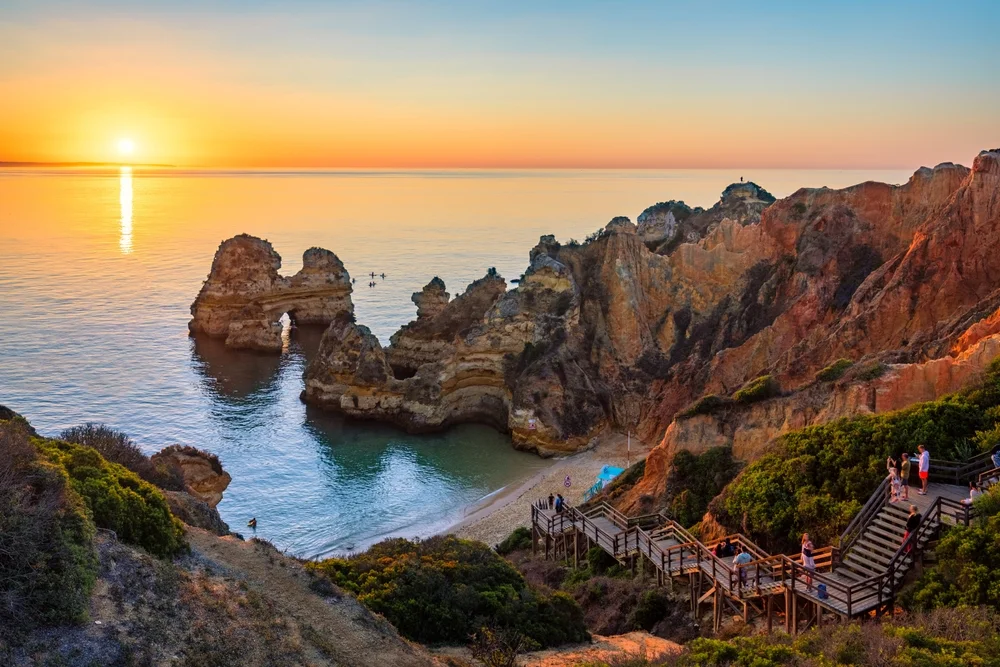
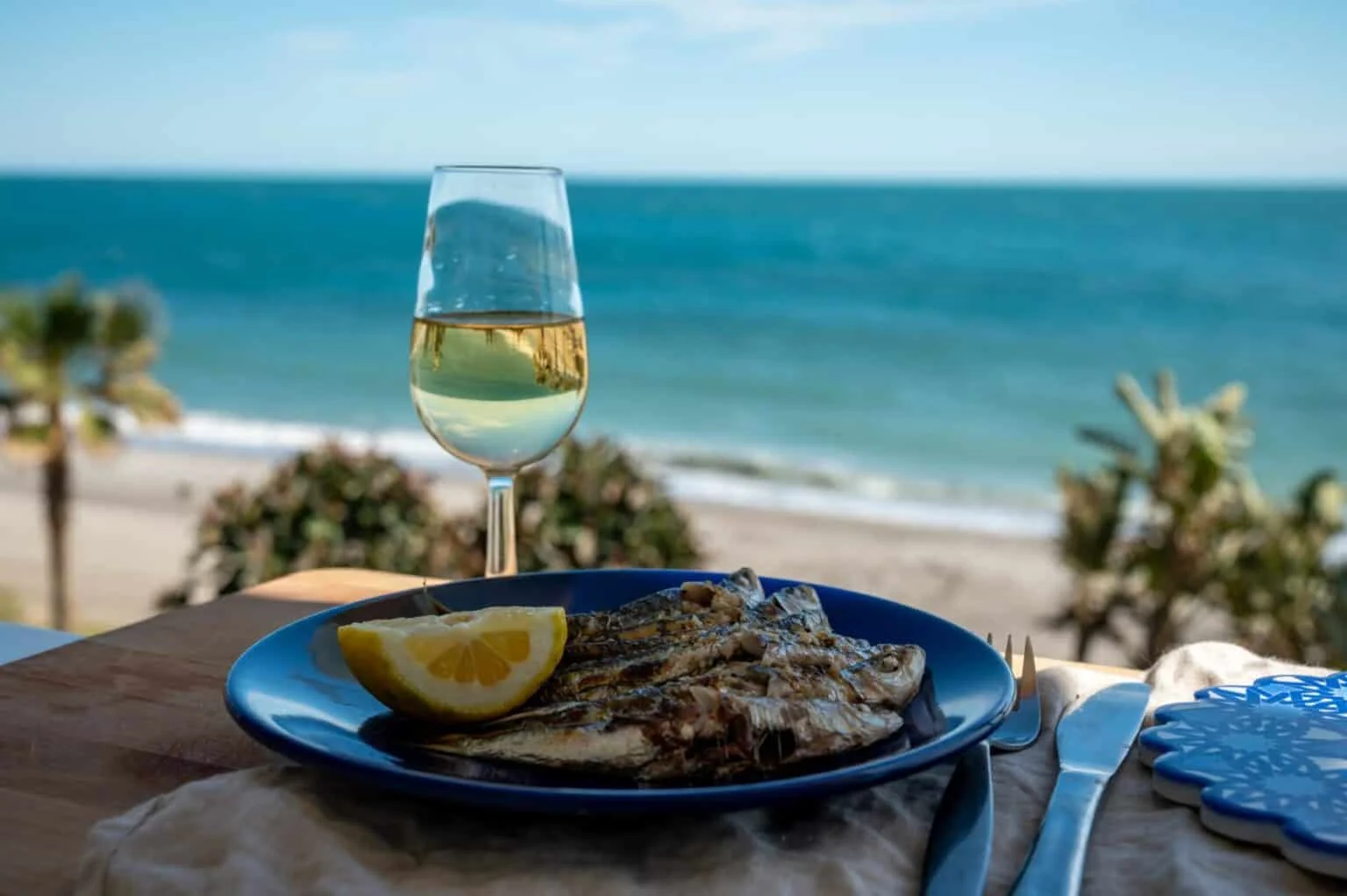
Portugal’s Algarve coast, Spain’s Costa Brava, and Greece’s lesser known islands offer family run beach restaurants serving grilled sardines, seafood stews, and regional wines at exceptional value.
Southeast Asia

Bali, Vietnam, and the Philippines continue to expand beachfront dining. Expect creative fusion menus, sunset lounges, and increasing emphasis on sustainable seafood.
Indian Ocean
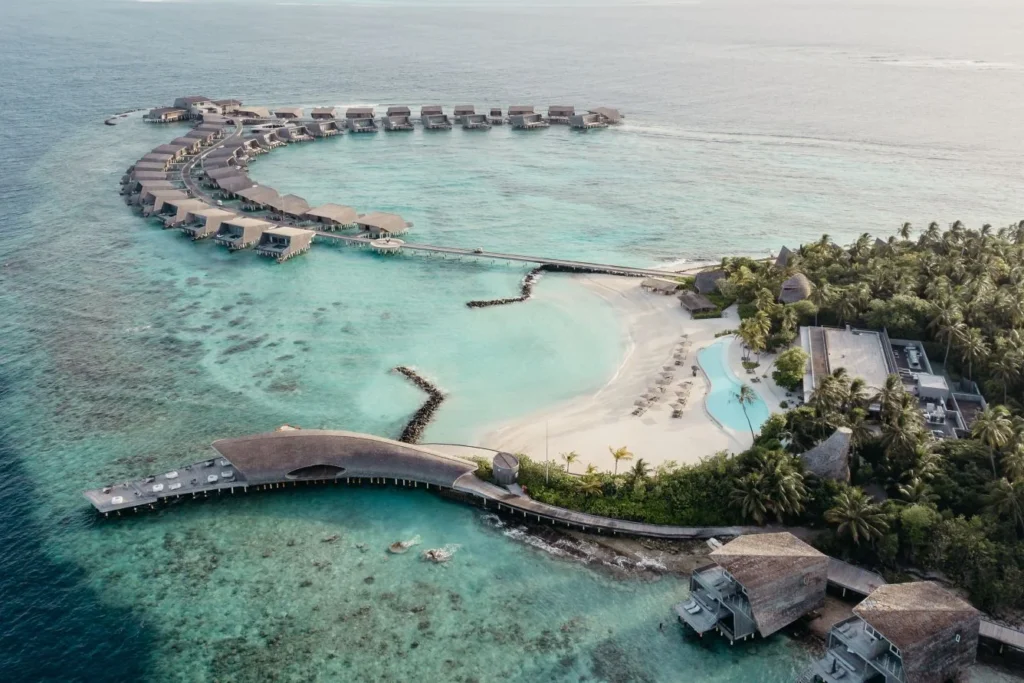
The Maldives, Seychelles, and Zanzibar lead in luxury beach dining, often paired with reef conservation programs and marine education experiences.
Australia and South Pacific

Sydney’s Bondi and Manly beaches, along with Fiji and Samoa resorts, focus on ocean to table seafood and open air architecture.
Africa

Cape Town combines Atlantic Ocean views with world class wines, while East African islands highlight Swahili influenced seafood.
North and South America

California’s Big Sur, Florida Keys, and Peru’s coastal dining scene offer diverse interpretations of ocean facing cuisine.
Why Beachside experiences are memorable
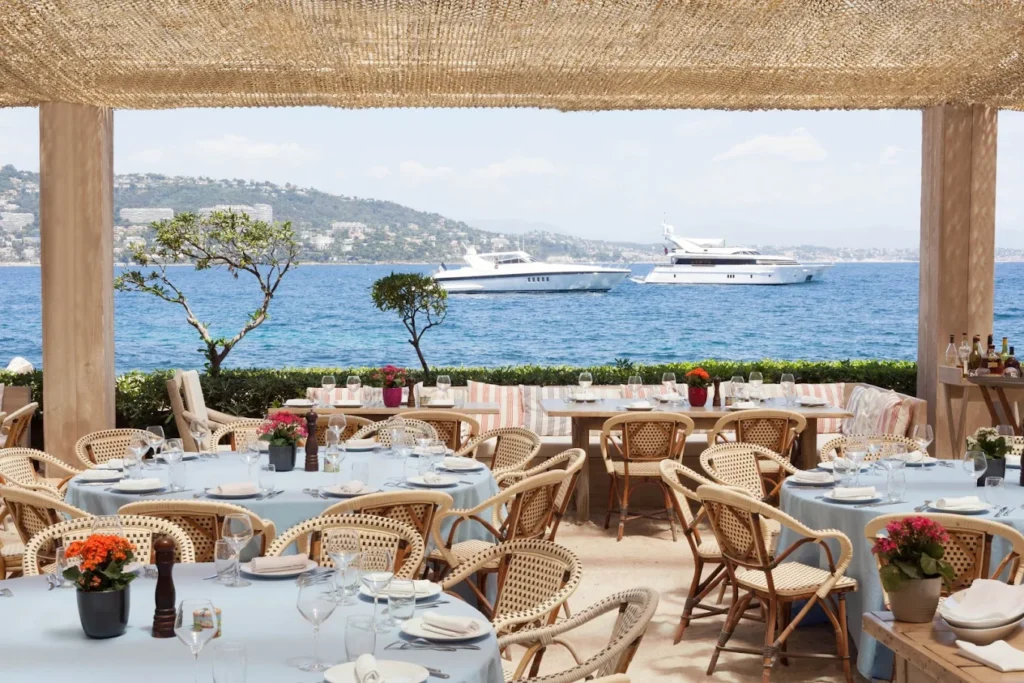
Salt air enhances flavor perception, especially umami and sweetness, which explains why seafood tastes richer by the sea.
Wind direction affects aroma, with onshore breezes improving freshness. Sunset light enhances emotional memory, making meals feel more satisfying and memorable.
These factors explain why diners consistently rate beachside restaurants higher even when menus are simple.
Sustainability and responsible dining
The best beachside restaurants now demonstrate clear environmental responsibility. Look for menus that change daily based on catch, partnerships with local fishermen, reduced plastic use, coral reef protection initiatives, and seasonal closures to allow marine recovery.
Sustainability is no longer a trend but a trust signal for both travelers and search engines.
Practical planning and booking tips
Book sunset tables early, especially for cliffside venues. Always check tide schedules and weather forecasts. Confirm dress codes and footwear requirements.
Lunch often offers the same view at a lower cost. Verify access logistics, including boat transfers and parking.
Budget, tipping, and accessibility
Prices range widely from affordable beach shacks to luxury tasting menus. Tipping norms vary by country.
Many scenic venues involve stairs or uneven paths, so travelers with mobility needs should confirm accessibility in advance.
Packing checklist for beachside dining
Bring a light jacket for evening breezes, anti slip footwear, reef safe sunscreen, sunglasses, small cash, and a phone power bank for photography.
Common mistakes to avoid
Booking only dinner instead of combining lunch and sunset drinks, ignoring tides, wearing impractical shoes, and expecting fast service in Mediterranean cultures.
Frequently asked questions
A. For iconic venues, book 4 to 8 weeks ahead in high season.
A. Many are seasonal, especially in Europe. Resorts often operate year round.
A. Smart casual is safe for most venues. Avoid beachwear at fine dining restaurants.
A. Always inform staff clearly, as coastal menus rely heavily on shellfish.
Stay tuned with us. Further, follow us on social media for the latest updates.
Join us on X, Instagram for the Latest Travel related updates.