
When people imagine a beach holiday, the picture that usually comes to mind is soft white sand, turquoise water and palm trees swaying in the breeze. But the world’s coastlines have far more to offer than the classic postcard scene.
Some of the most striking and memorable beaches on the planet are not white or golden at all. They are deep grey, charcoal, or jet black, shaped by fire, volcanoes and time.
Black sand beaches are rare, dramatic and often a little mysterious. They feel wild, untamed and different from the usual beach experience, which is exactly why backpackers and slow travellers are drawn to them.
If you enjoy exploring places that tell a story through their landscape, black sand beaches deserve a spot on your travel list.
How black sand beaches are formed
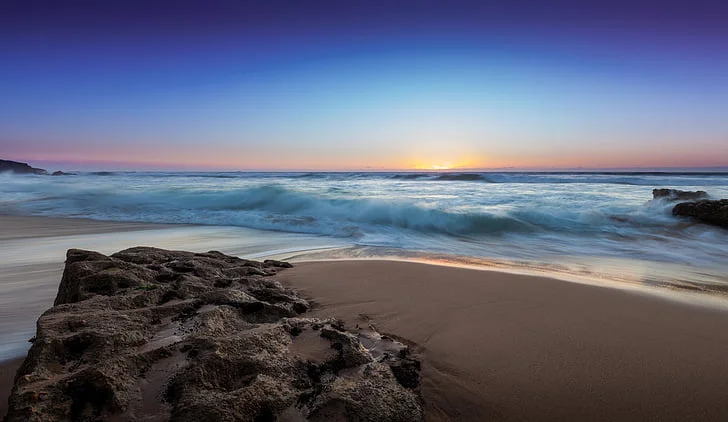
Black sand beaches are formed when volcanic rocks, lava or ash break down over thousands of years.
When hot lava flows into the ocean and cools rapidly, it shatters into tiny fragments. Over time, waves and tides grind these fragments into fine sand, creating beaches that are dark in colour and rich in minerals.
Because of their volcanic origin, these beaches are often found near active or dormant volcanoes.
They are common in places like Iceland, Indonesia, Hawaii and parts of the Mediterranean. Each black sand beach looks different depending on the type of volcanic rock, the surrounding cliffs and the strength of the ocean.
Walking on black sand feels different too. The sand is usually coarser and heavier than white sand, and on sunny days it can heat up quickly.
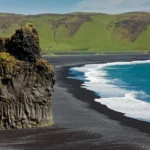
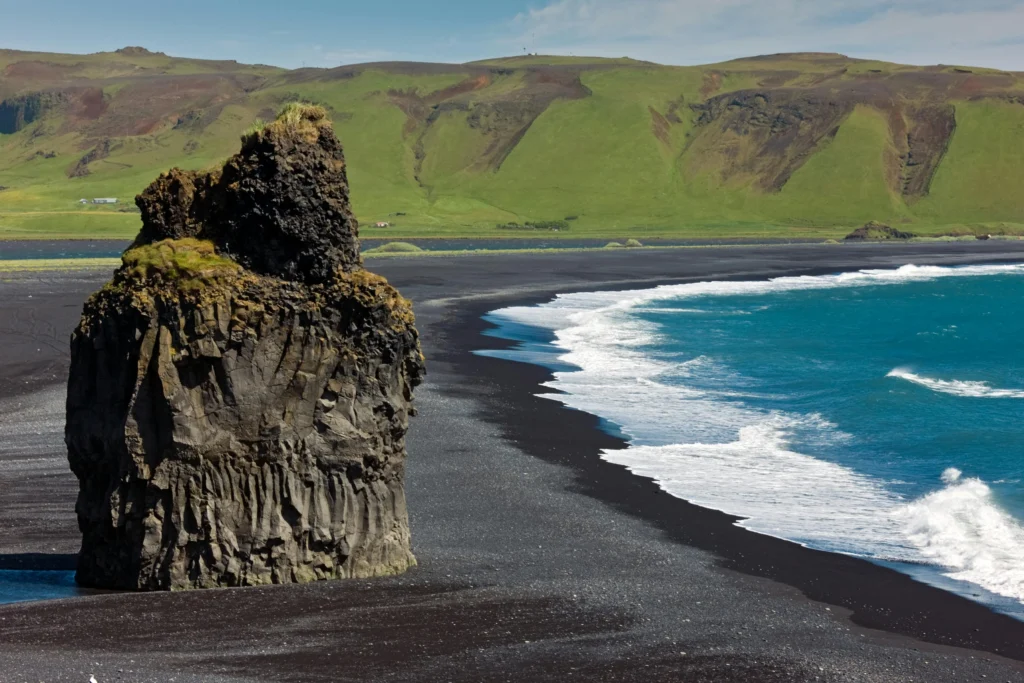
The contrast between dark sand, white waves and green hills or lava cliffs makes these beaches incredibly photogenic.
Why travellers are drawn to black sand beaches
Black sand beaches feel wild and untouched. They often lack large resorts, loud crowds, or overdevelopment.
The contrast between dark sand, crashing white waves, and green or rocky surroundings makes them visually striking and ideal for photography.
For backpackers, these beaches often come with added benefits. They are frequently free to access, located near hiking routes or small towns, and surrounded by landscapes that invite exploration rather than passive relaxation.
Reynisfjara, Iceland: where drama meets the sea
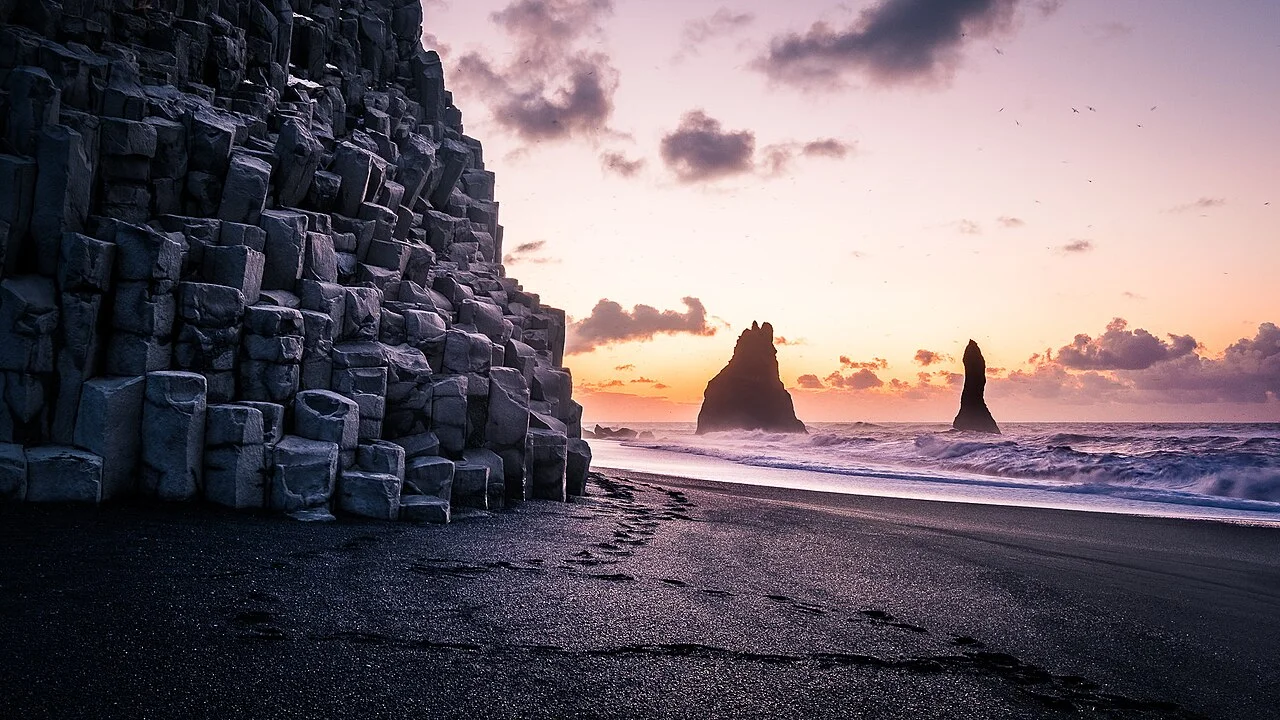
Reynisfjara is one of the most famous black sand beaches in the world, and for good reason. Located on Iceland’s southern coast near the village of Vík, this beach looks almost otherworldly.
Towering basalt columns rise from the sand like a natural cathedral, while powerful Atlantic waves crash relentlessly against the shore.
This is not a beach for swimming or sunbathing. Instead, it is a place to walk, observe and feel small in front of nature’s power.
The wind is often strong, the sky moody and the sea unpredictable. For backpackers exploring Iceland on a budget, Reynisfjara is easily accessible and completely free, making it a must-visit stop on the Ring Road.
Punaluʻu Beach, Hawaii: black sand with a tropical twist
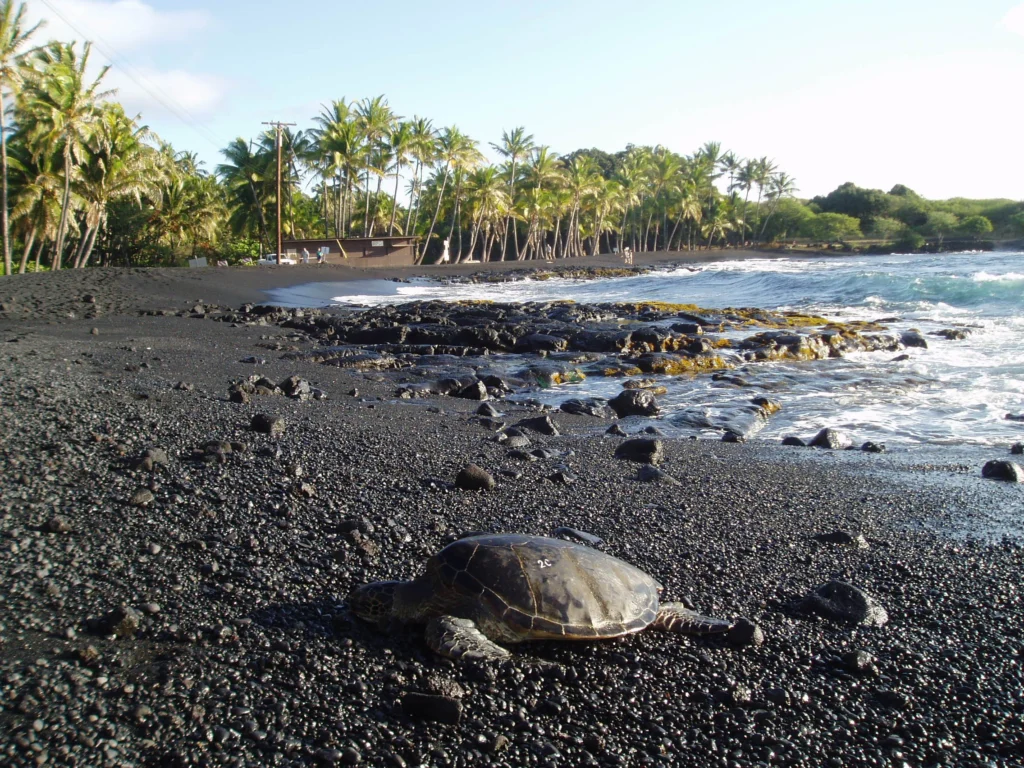
Hawaii is home to several black sand beaches, but Punaluʻu Beach on the Big Island stands out. Here, jet-black sand meets coconut palms, creating a striking contrast between tropical beauty and volcanic history.
Punaluʻu is also known for its wildlife. Green sea turtles often rest on the warm sand, making it one of the best places to see them up close in a natural setting. While swimming is possible on calmer days, the beach is better suited for relaxing, photography and slow travel.
For backpackers island-hopping through Hawaii, Punaluʻu offers a unique experience that feels very different from the more commercial beaches of Oahu or Maui.
Muriwai Beach, New Zealand: wild and windswept
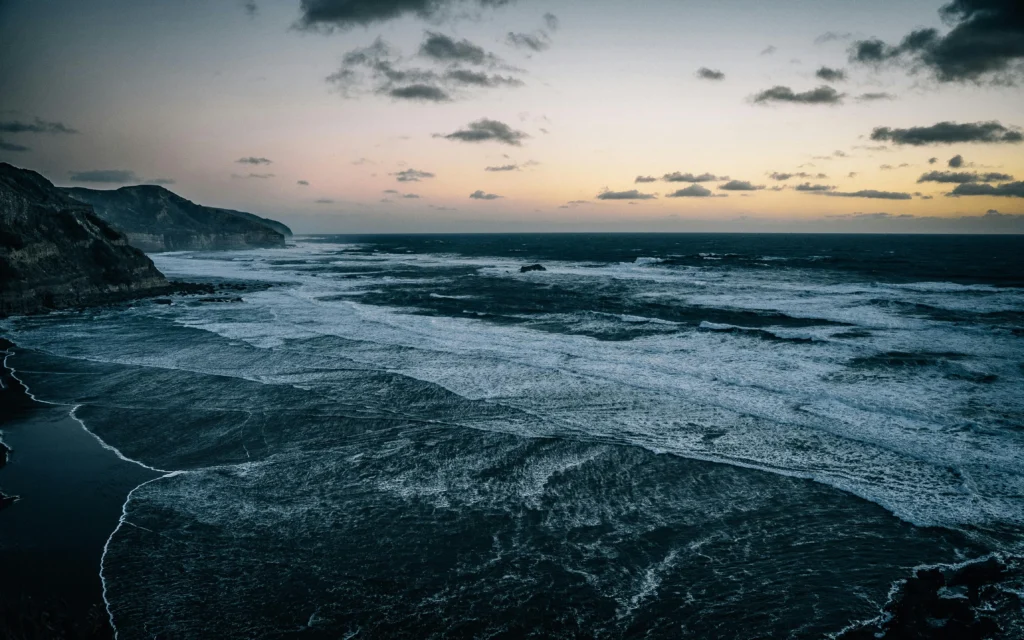
On the west coast of New Zealand’s North Island lies Muriwai Beach, a long stretch of black sand facing the Tasman Sea.
This beach is known for its raw beauty, strong winds and rolling waves, making it popular with surfers and kite flyers.
One of the highlights of Muriwai is the gannet colony perched on nearby cliffs. Watching these large seabirds dive into the ocean adds another layer of drama to the landscape. The beach feels vast and untamed, perfect for long walks and quiet reflection.
For travellers exploring New Zealand by campervan or backpacking route, Muriwai is an easy escape from Auckland and a reminder of the country’s powerful natural forces.
Perissa Beach, Greece: volcanic beauty in the Aegean
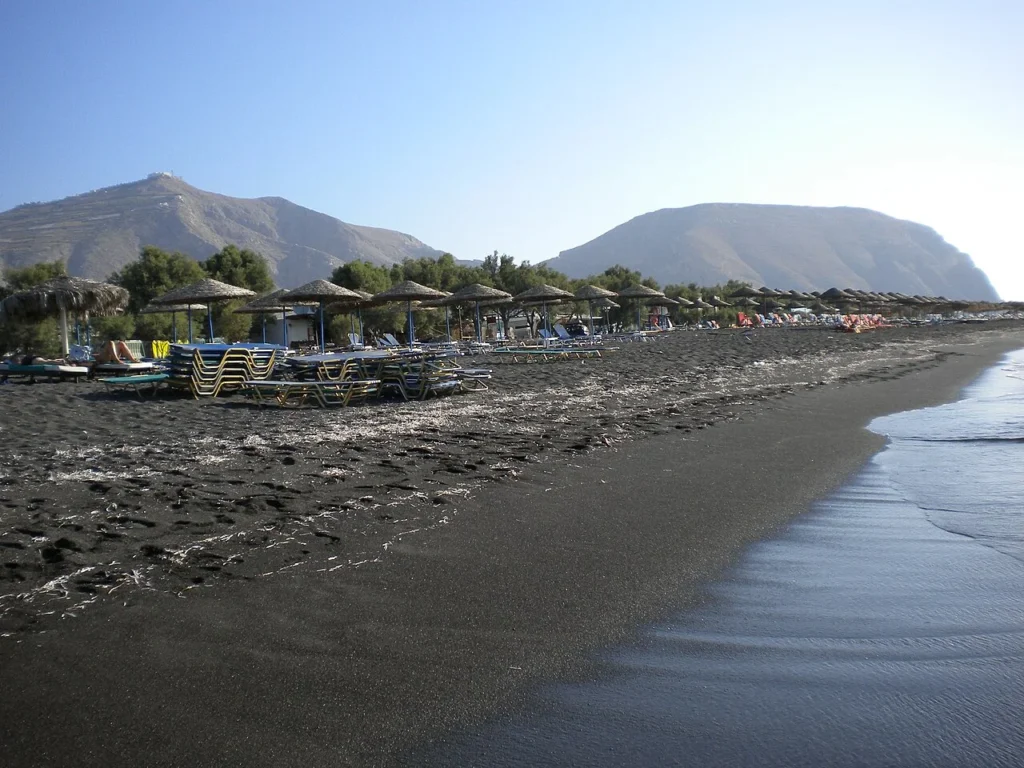
Black sand beaches are not limited to cold or remote destinations. Perissa Beach, located on the Greek island of Santorini, proves that volcanic sand can also come with sunshine, cafés and clear blue water.
Formed by ancient volcanic eruptions, Perissa’s dark sand contrasts beautifully with the whitewashed villages Santorini is famous for. Unlike many black sand beaches, Perissa is well developed, with beach bars, hostels and budget-friendly eateries lining the shore.
For backpackers visiting Santorini, Perissa offers a more relaxed and affordable alternative to the island’s luxury hotspots, without sacrificing beauty.
Kamari Beach, Santorini: lively and laid-back
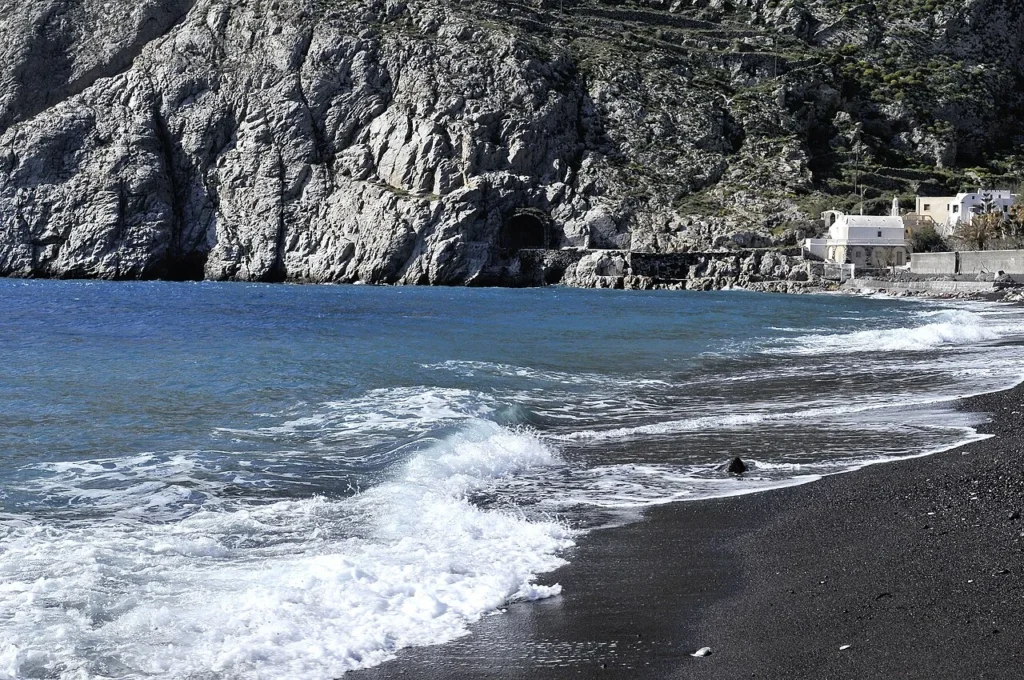
Just a short distance from Perissa is Kamari Beach, another black sand stretch shaped by Santorini’s volcanic past. Kamari is more lively, especially in the evenings, when restaurants and bars light up along the promenade.
The beach is ideal for travellers who want a mix of relaxation and social atmosphere. The sand is dark and pebbly, the water clear and refreshing. While it may not feel as wild as Iceland or New Zealand, Kamari shows how black sand beaches can fit seamlessly into a relaxed Mediterranean lifestyle.
Lovina Beach, Bali: calm waters and quiet mornings
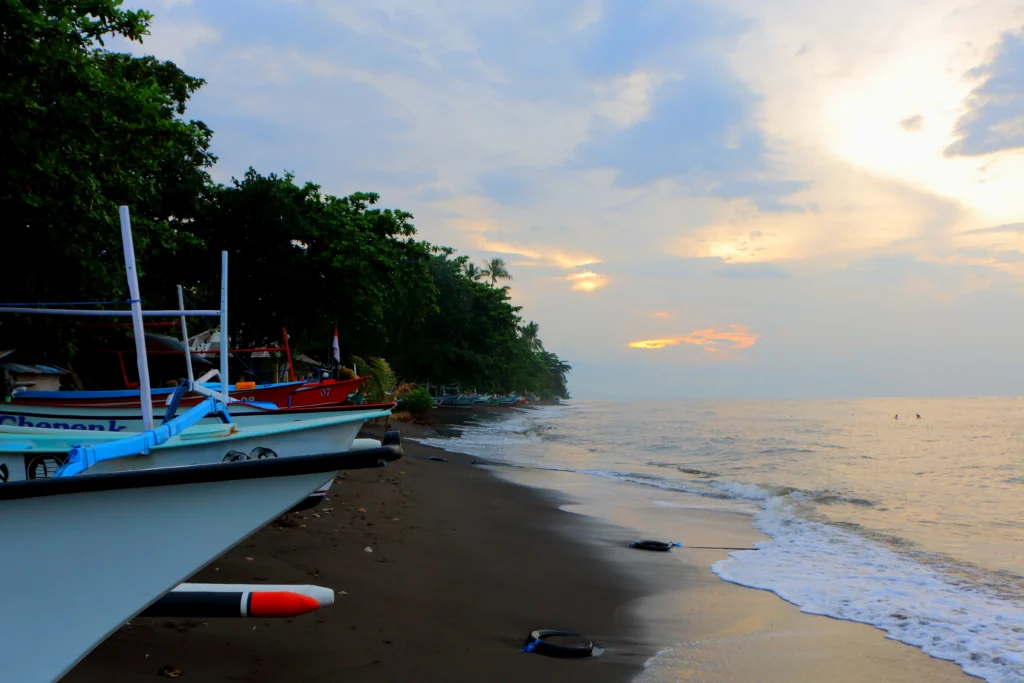
When people think of Bali, white sand beaches in the south usually steal the spotlight. But on the island’s northern coast lies Lovina Beach, a peaceful stretch of black and grey sand that offers a very different Bali experience.
Lovina is known for its calm sea, gentle sunrise views and dolphin spotting tours. The black sand here is softer and mixed with lighter grains, creating a subtle, shimmering effect. The atmosphere is slow, quiet and ideal for travellers who prefer laid-back destinations over party scenes.
For backpackers exploring Bali beyond the usual routes, Lovina feels authentic, affordable and refreshingly calm.
Playa Jardín, Tenerife: art meets nature
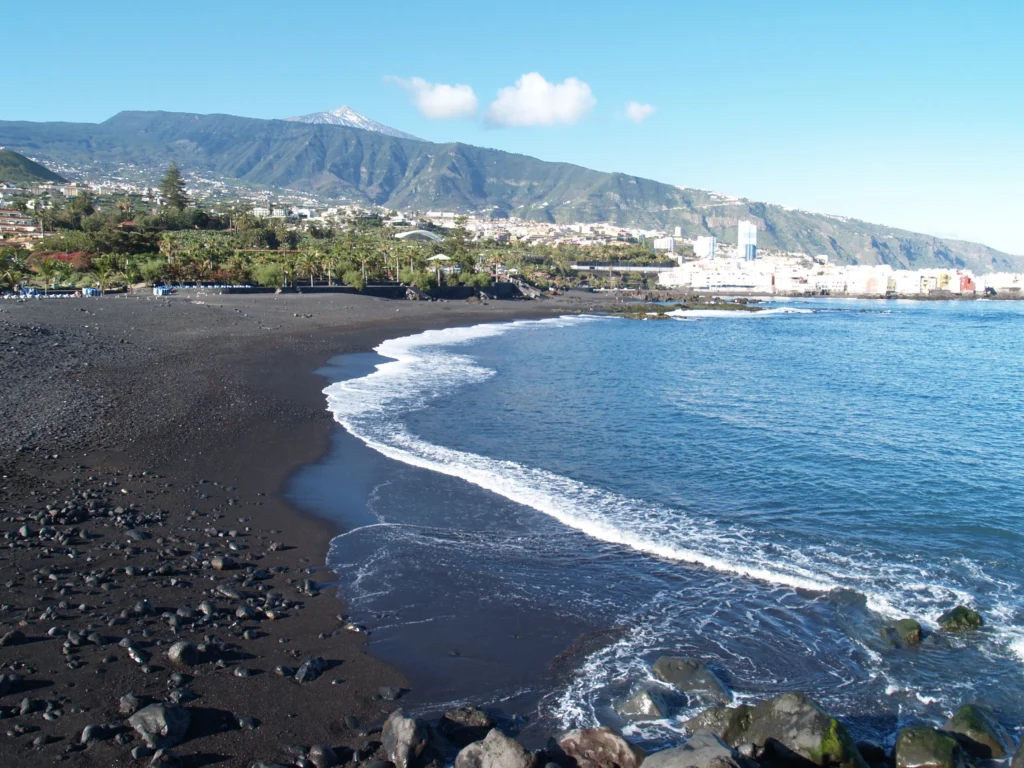
Playa Jardín in Tenerife is a unique example of how black sand beaches can be thoughtfully designed. Created using volcanic sand from nearby eruptions, the beach was designed by a local artist to blend nature, gardens and ocean views.
Palm trees, walking paths and mountain backdrops make Playa Jardín visually stunning. It is also well maintained, safe for swimming and easily accessible from budget accommodations.
This beach shows how volcanic landscapes can be shaped into welcoming spaces without losing their natural character.
Practical tips for visiting black sand beaches
Black sand absorbs heat, so footwear is essential during sunny hours. Sitting or lying directly on the sand may feel uncomfortable without a towel or mat.
Swimming conditions should always be checked. Many black sand beaches face open oceans and have strong currents. Local warning signs and advice should never be ignored.
For photographers, early morning or late afternoon offers the best light, reducing harsh reflections and enhancing contrast. Overcast skies often add mood and depth rather than dullness.
Respect the environment. Removing sand, rocks, or volcanic fragments is often prohibited and damages fragile ecosystems.
Common misconceptions about black sand beaches
Many travellers assume black sand beaches are dirty or polluted, which is not true. The colour comes from volcanic minerals, not waste.
Others believe they are unsafe by default, but safety depends on location, not sand colour.
Another myth is that black sand beaches are uncomfortable or unattractive. In reality, their beauty lies in contrast, texture, and atmosphere rather than softness.
Why black sand beaches belong on your travel list
Black sand beaches tell a story of transformation. They are shaped by fire, water, and time, reminding travellers that the planet is constantly changing. For backpackers, they offer a chance to experience destinations that feel genuine and unfiltered.
They may not always be ideal for lounging all day, but they reward curiosity, patience, and appreciation for nature’s raw side.
If you are travelling not just to relax, but to understand and explore, black sand beaches will leave a deeper impression than most.
Stay tuned with us. Further, follow us on social media for the latest updates.
Join us on X, Instagram for the Latest Travel related updates.