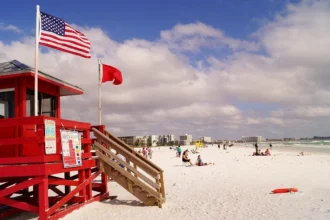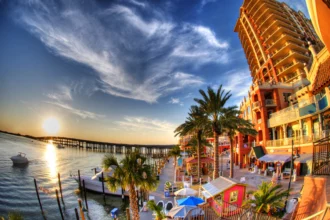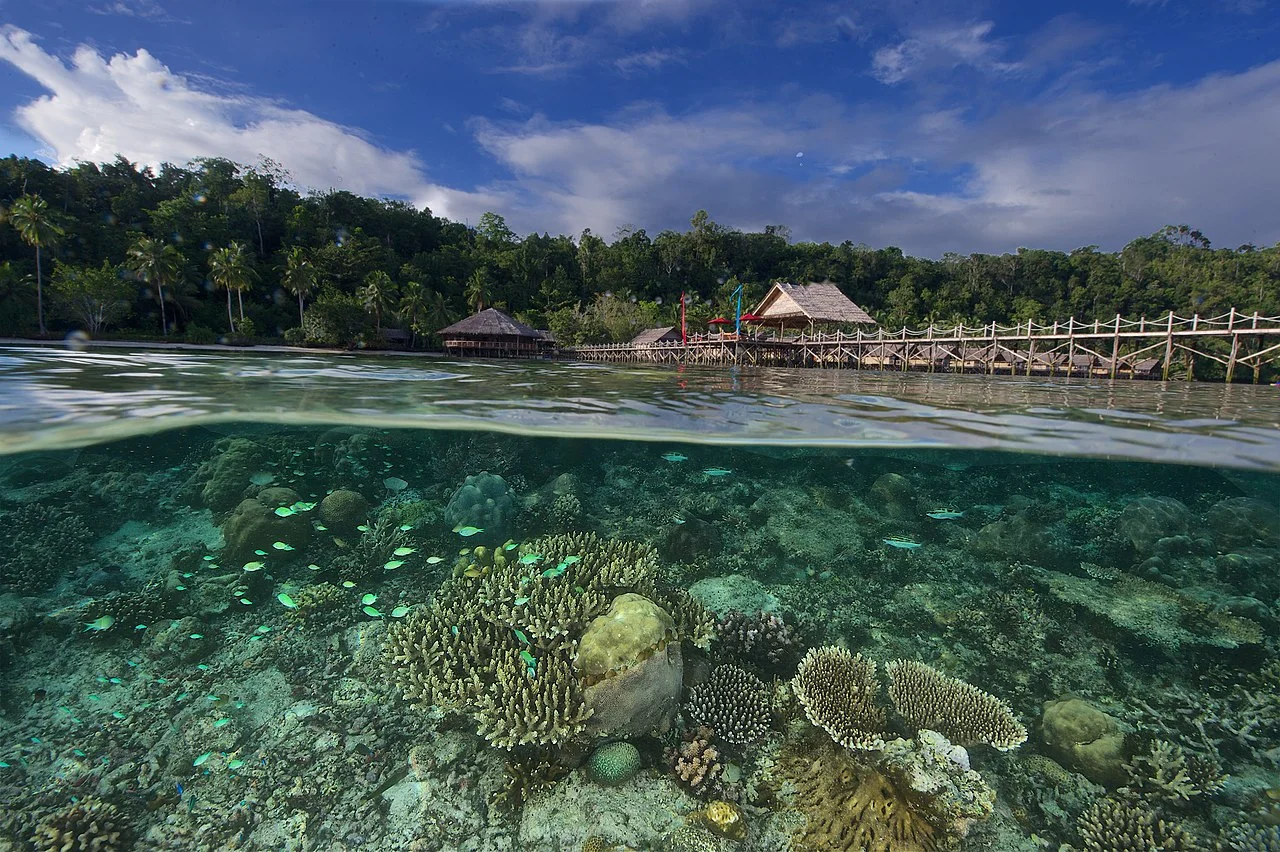

When we think of beaches, we often picture white sands, gentle waves, and golden sunsets. But for curious travelers and nature lovers, the true magic often lies beneath the surface, especially at beaches with the best marine life, where vibrant underwater ecosystems transform a beautiful shoreline into a living, breathing world.
In this article, we’ll explore beaches around the world where marine life thrives in spectacular diversity, from colorful reef fish at shallow shorelines to majestic whale sharks patrolling blue horizons.
Whether you’re a snorkeler, diver, photographer, or a beach lover seeking something unforgettable, these marine life havens deserve a top spot on your travel bucket list.
What Makes a Beach Great for Marine Life?
Before we dive into specific beaches, let’s understand what creates vibrant underwater life:
1. Coral Reef Systems
Coral reefs are often called the rainforests of the sea they occupy less than 1% of the ocean floor but support around 25% of all marine species. Where healthy reefs are present, extraordinary biodiversity follows.
2. Protected Marine Parks
Beaches adjacent to marine reserves or protected areas tend to have healthier ecosystems because fishing, pollution, and destructive practices are controlled.
3. Water Clarity and Warmth
Warm, clear waters promote photosynthesis in coral and support a wider range of marine organisms. These conditions also make snorkeling and diving easier and more rewarding.
4. Upwellings & Currents
Ocean currents and upwellings that bring nutrients from deeper waters can attract larger marine animals like manta rays, sharks, and even whales.
1. Raja Ampat, Indonesia
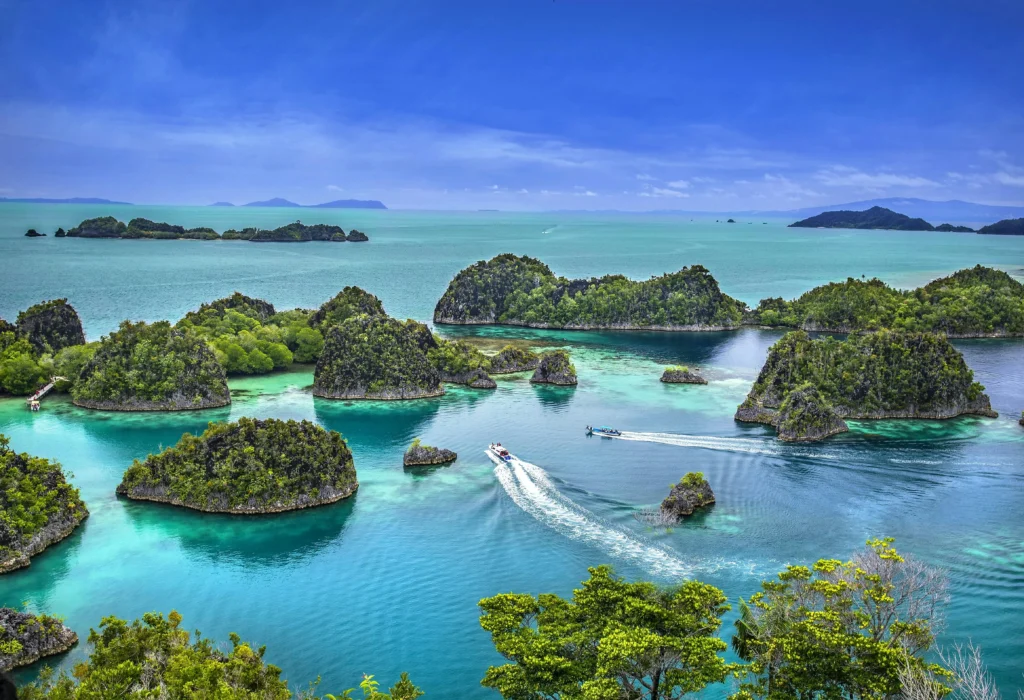
The Global Marine Biodiversity Capital
If there were a Mount Everest of marine life, Raja Ampat would be it.
Nestled off the coast of West Papua in eastern Indonesia, this sprawling archipelago is often described as the most biodiverse marine environment on Earth.
What You’ll See
- Over 1,500 species of fish
- About 75% of all hard coral species in the world
- Manta rays, reef sharks, pygmy seahorses, and sea turtles
- Dense mangroves, hidden lagoons, and walls of coral alive with color
Why It’s Special
Raja Ampat sits within the Coral Triangle, a region recognized globally for marine biodiversity rivaling only rainforests on land.
Snorkelers and divers often describe feeling like they’ve entered a living aquarium, schools of fish, layered coral structures, and constant motion make it mesmerizing.
Insider Tip
Because Raja Ampat is remote, ecotourism supports local conservation efforts. Many tours partner with marine biologists to help preserve fragile ecosystems.
2. Tofo Beach, Mozambique
Megafauna and Tropical Abundance
On the southeastern coast of Africa lies a lesser-known but extraordinarily rich marine life destination: Tofo Beach.
Often overshadowed by more famous beaches, Tofo packs a serious marine punch.
Marine Marvels
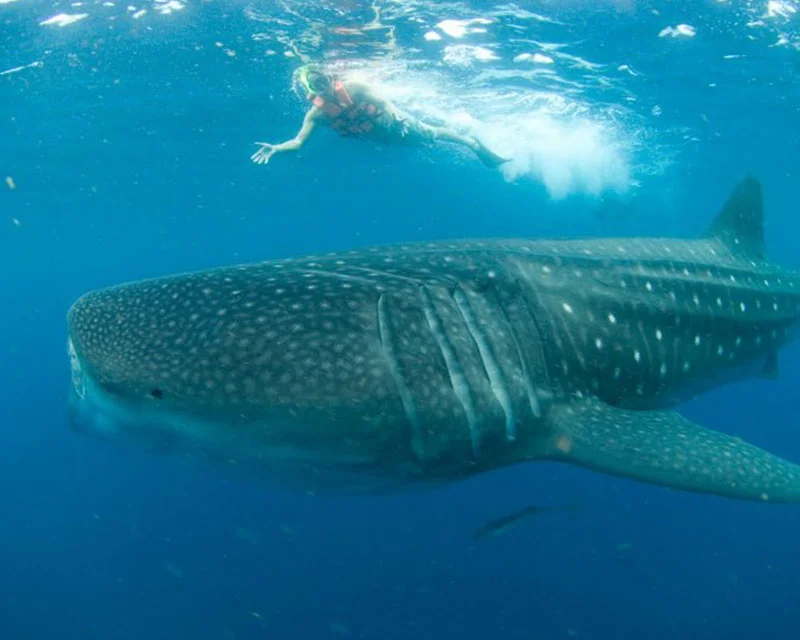
- Whale sharks seen year-round
- Manta rays gliding through the warm Indian Ocean
- Dolphins, sea turtles, and humpback whales (seasonally)
- Healthy coral and vibrant reef fish
Why It’s Unique
Most snorkeling spots focus on small fish and corals, but Tofo gives you megafauna too. Swimming alongside whale sharks is a bucket-list moment few other places can rival.
Best Time to Visit
June to October brings humpback whale migrations and generally calm seas, perfect for underwater viewing.
3. Hanauma Bay, Oahu, Hawaii

A Protected Marine Sanctuary
Not all world-class marine life beaches require remote travel or expedition gear. Hanauma Bay, just a short drive from Honolulu, offers fantastic underwater encounters accessible to beginners.
What You’ll Find
- Schools of tropical fish
- Colorful coral formations
- Green sea turtles grazing seagrass
- Calm, shallow waters ideal for snorkeling
Why It Stands Out
Hanauma Bay is a designated marine life conservation area, and careful visitor management helps preserve its underwater ecosystems.
It’s one of the best places on the planet to introduce kids or inexperienced snorkelers to marine biodiversity.
Pro Tip
Go early in the morning when water visibility is at its best and before crowds arrive.
4. Roatán Island, Honduras
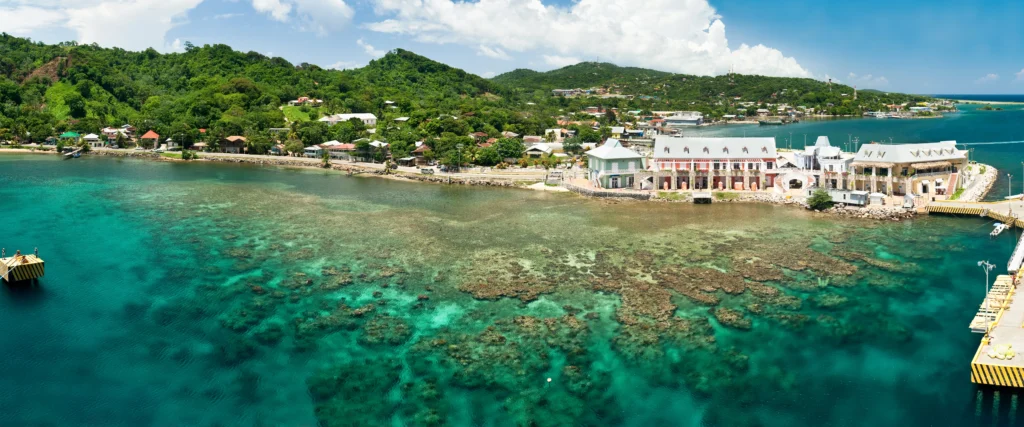
Caribbean Coral Haven
Off the coast of Honduras’ Bay Islands, Roatán is a Caribbean snorkeling hotspot with reefs literally starting just steps from the beach.
Marine Highlights
- Brightly colored reef fish: parrotfish, angelfish, butterflyfish
- Sea turtles and eagle rays
- Underwater crevices and coral ledges teeming with life
- West Bay Beach is especially renowned for snorkeling
Why It’s Worth Visiting
Roatán’s coral formations are healthy and teeming, you can often drop in from the shore and immediately encounter bustling reef life. It’s a perfect combination of beach comfort and marine immersion.
5. Blue Lagoon, Yasawa Islands, Fiji
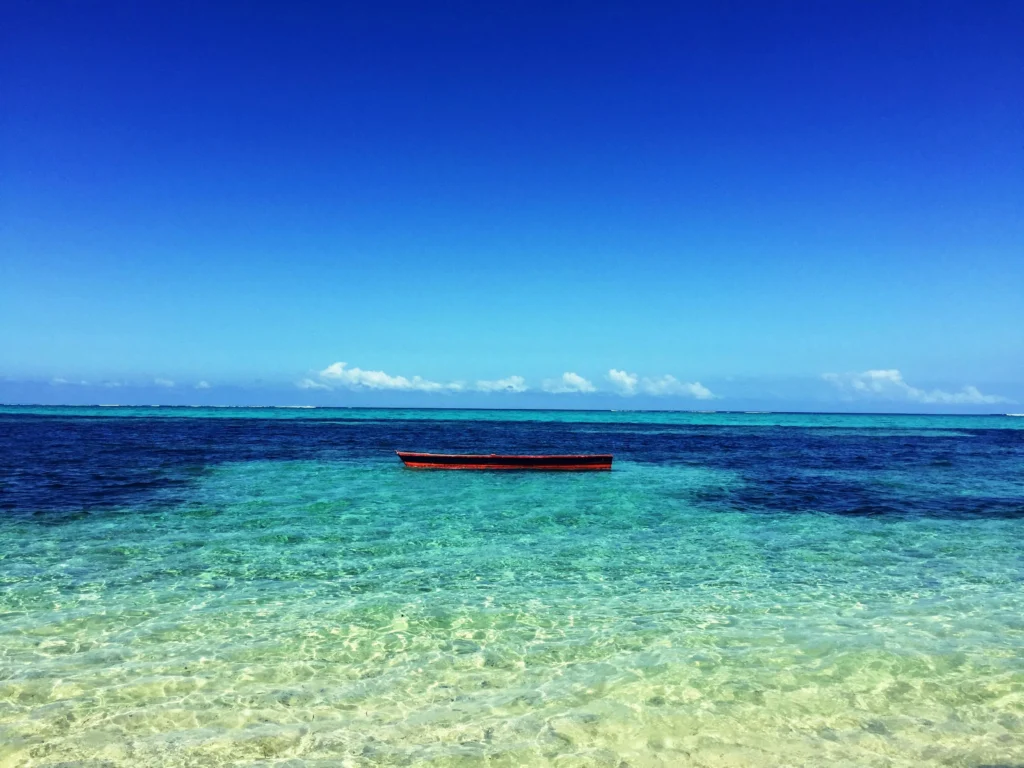
Underwater Jewels of the South Pacific
The Yasawa Islands in Fiji are home to incredible snorkeling beaches, with Blue Lagoon being a standout.
What Makes It Special
- Soft coral gardens that ripple with color
- Schools of butterflyfish, angelfish, and other tropical varieties
- Calm water perfect for floating and observing marine life up close
- Often visibility up to 40 meters during dry season
Unique Experience
The lagoon is naturally sheltered, creating a stable, tranquil environment for marine life to flourish. It’s ideal for snorkelers who want sheer abundance without rough currents.
6. Palawan & El Nido, Philippines
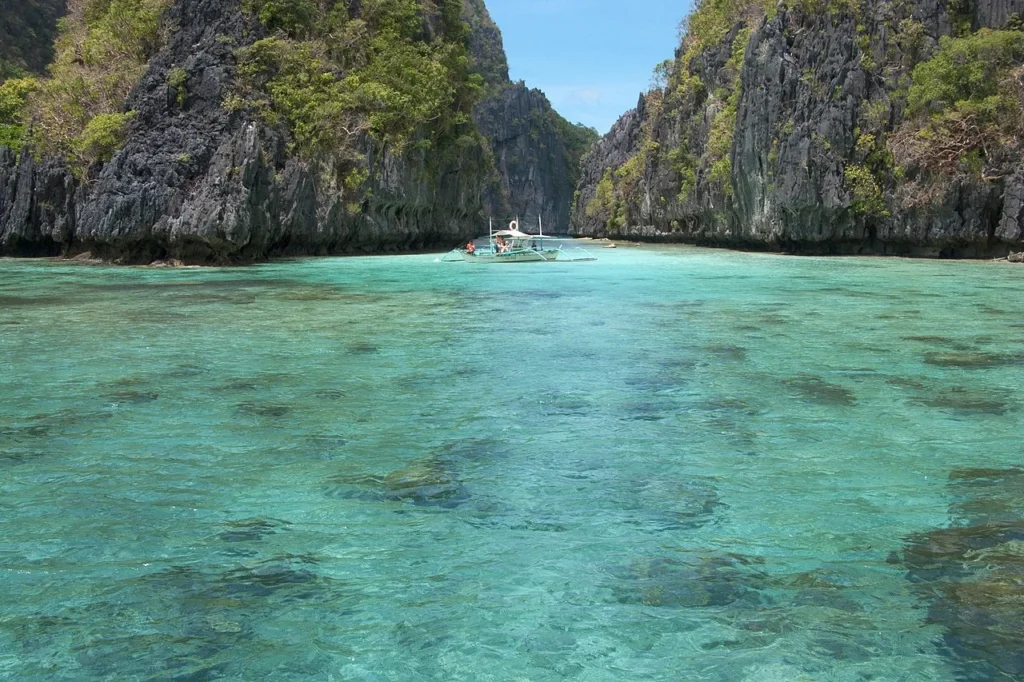
Turquoise Seas and Hidden Reefs
The Philippines is home to thousands of islands and among the most spectacular marine life scenes are found in Palawan’s waters, especially around El Nido and Coron.
Marine Treasures
- Diverse coral species
- Shipwrecks in Coron act as artificial reefs attracting fish, turtles, and eels
- Dramatic limestone karsts shelter hidden coves and lagoons
- Crystal clear water revealing colorful underwater landscapes
Why It’s Marine Rich
This region lies within (or near) the Coral Triangle, where marine diversity is at its richest, multiple species share the same reef systems, and sightings can vary from day to day.
Bonus Adventure
Combining aerial views from cliff jumps with underwater exploration makes this a multi-sensory marine experience.
7. Fernando de Noronha, Brazil
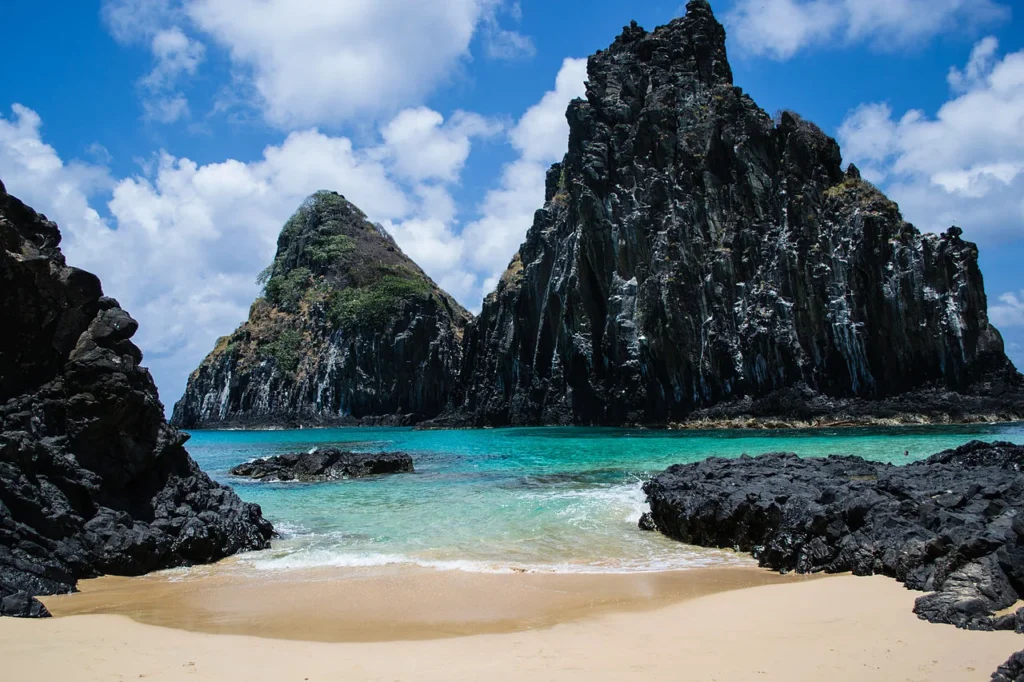
Pristine Waters and Sea Turtles
Far off Brazil’s northeastern coast, the remote archipelago of Fernando de Noronha is often called the Galápagos of the Atlantic.
What You’ll See
- Sea turtles feeding near shore
- Schools of tropical reef fish
- Dolphins playing in clear blue waters
- Vibrant corals in protected marine zones
Why It’s Unique
Strict conservation measures and limited daily visitor numbers help keep Noronha’s marine ecosystems among the healthiest in the world.
Snorkeling here feels like stepping into an untouched aquarium.
8. Aitutaki Lagoon, Cook Islands
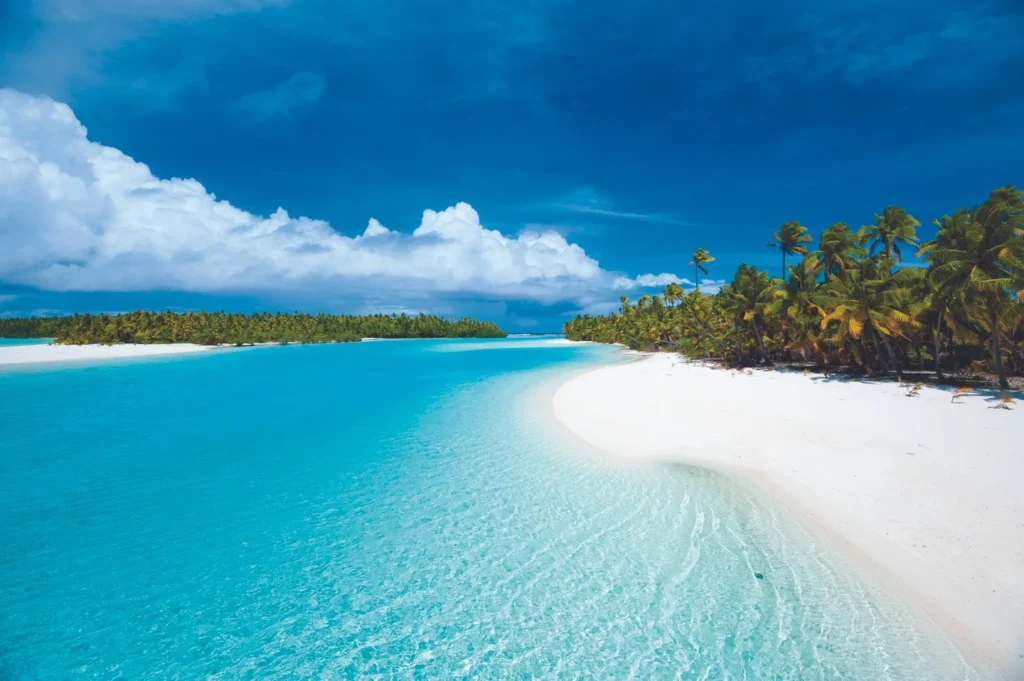
Calm Lagoon, Big Life
Aitutaki’s lagoon is often described as a mosaic of blues and greens, and its shallow waters are perfect for marine exploration without advanced gear.
Marine Life
- Spotted eagle rays
- Giant clams
- Small colorful reef fish
- Coral patches scattered across shallow sands
What Makes It Special
The lagoon’s extreme clarity and gentle conditions let you see life on the seafloor without needing to dive deep, perfect for families and beginner snorkelers alike.
9. Tofino & Vancouver Island, Canada
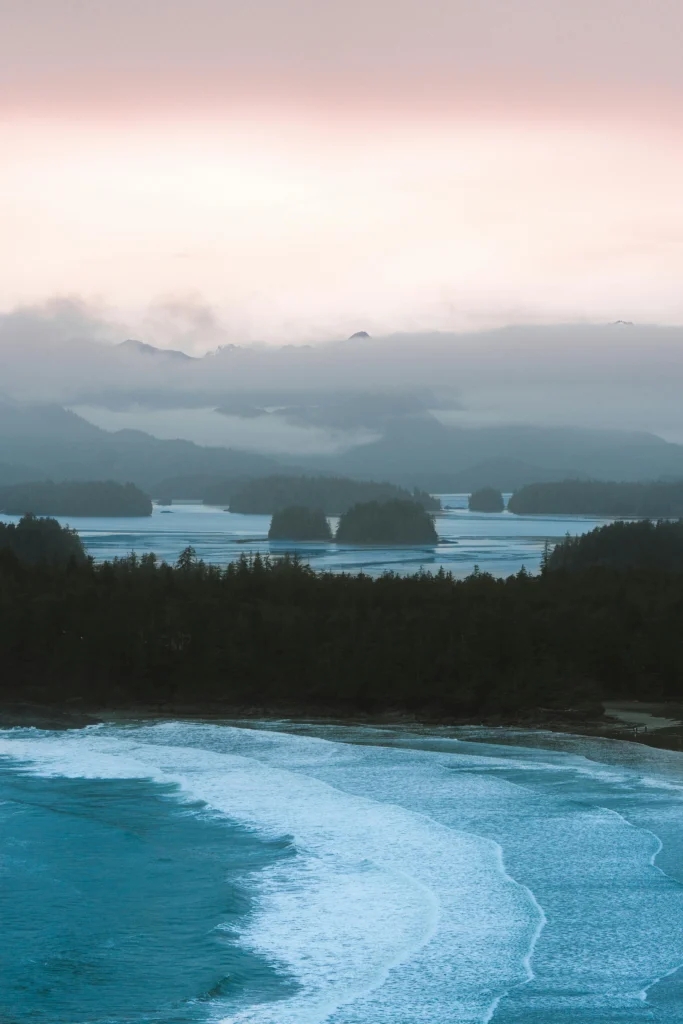
Cold-Water Wonders
Marine diversity isn’t just tropical. Around Vancouver Island and Tofino, cold Pacific waters support unique ecosystems that thrive in nutrient-rich conditions:
Marine Highlights
- Sea lions and harbor seals
- Pacific octopus and starfish forests
- Kelp beds bustling with life
- Occasional whale sightings
Why It’s Worth It
Cold water doesn’t mean less life, it means different life. The rugged underwater gardens here are dramatic contrasts to tropical reefs and represent a different kind of marine magic.
10. Andaman & Nicobar Islands, India

Coral Jewels of the Bay of Bengal
The Andaman Islands are emerging as one of Asia’s most impressive marine biodiversity hotspots.
Marine Ecosystems
- Healthy coral reefs teeming with fish species
- Sea turtles and occasionally larger marine animals
- Clear waters ideal for snorkeling and scuba diving
- Havelock Island’s Turtle Beach and Govindnagar reef are local favorites
Why This Matters
The Andamans sit along ecologically significant coral formations that are still relatively undisturbed compared to many Atlantic reefs, great for seeing natural marine interactions.
Best Beaches for Coral Reef Diversity

- Raja Ampat (Indonesia) – highest coral diversity on Earth
- Palawan (Philippines) – hard + soft coral mix
- Andaman Islands (India) – resilient reef systems
These beaches are best if you love color, texture, and dense reef ecosystems.
Best Beaches for Sea Turtles
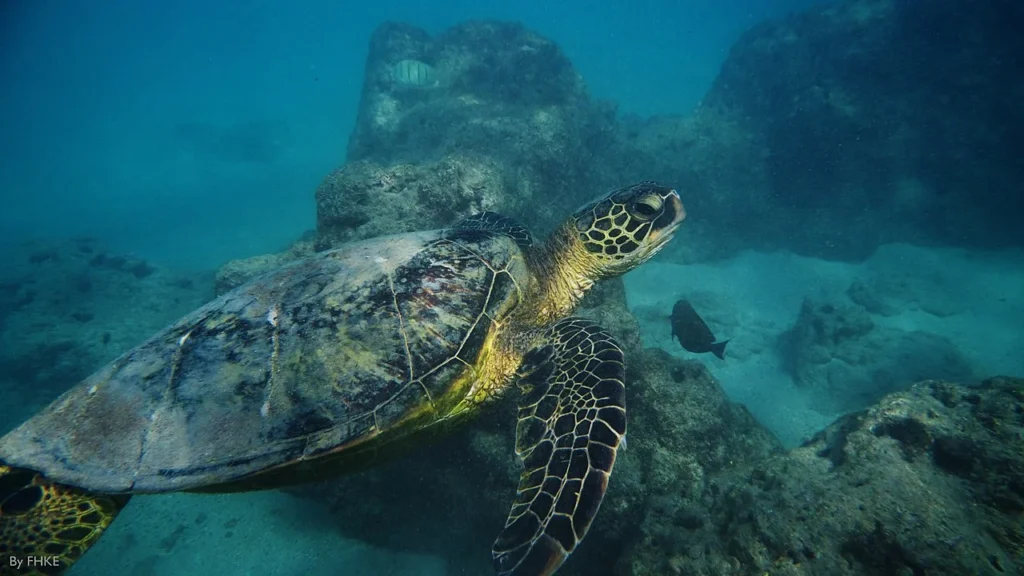
- Fernando de Noronha (Brazil) – green & hawksbill turtles
- Hanauma Bay (Hawaii) – resident turtle population
- Andaman Islands (India) – nesting & feeding grounds
Little-known fact: Turtles often return to the same beach where they were born, which is why protected beaches show higher turtle sightings. Best Beaches for Large Marine Animals (Megafauna)
- Tofo Beach (Mozambique) – whale sharks year-round
- Ningaloo Reef (Australia) – whale sharks + humpback whales
- Vancouver Island (Canada) – orcas & gray whales
These beaches are powered by nutrient-rich currents, not coral alone.
Remember- Marine Life Is Seasonal
Marine life visibility depends heavily on timing, not just location.
Migration-Based Destinations
- Humpback whales: June–October (Mozambique, Tonga)
- Whale sharks: March–July (Philippines, Ningaloo)
- Manta rays: November–April (Indonesia)
Visiting at the wrong time can make even the best marine beach feel underwhelming.
Best Beaches for Shore Snorkeling
(No boats, no diving licenses)
- Hanauma Bay, Hawaii
- Roatán, Honduras
- Aitutaki Lagoon, Cook Islands
- Sanur (reef edge), Bali
Perfect for beginners and casual travelers. Best Beaches Requiring Boat Access
(Deeper, richer ecosystems)
- Raja Ampat
- Fernando de Noronha
- Palawan offshore reefs
These reward effort with higher biodiversity.
Lesser-Known Marine Life Facts
- Coral reefs support over 1 million marine species, many still undocumented.
- Some reef fish change gender during their lifetime to maintain population balance.
- Healthy reefs can reduce coastal erosion by up to 97%, protecting beaches themselves.
- Soft corals (Fiji, Raja Ampat) rely on current movement, which is why still water doesn’t always mean richer life.
Famous Beaches With Surprisingly Poor Marine Life
- Copacabana (Brazil) – urban runoff affects water clarity
- Miami Beach (USA) – limited reef structures
- Bondi Beach (Australia) – strong waves, minimal reef life
- Goa (India) – inconsistent visibility due to river outflow
Tips for Responsible Marine Life Travel
Seeing marine life in its full glory comes with responsibility. To travel sustainably:
- Respect coral reefs — do not touch or stand on them.
- Use reef-safe sunscreen to prevent chemical pollution.
- Follow local guidelines and avoid feeding or disturbing wildlife.
- Choose eco-aware operators for snorkeling and diving.
Conservation Reality
Coral bleaching is now a seasonal risk in many regions.
Reefs with local community management (Raja Ampat, Andamans) recover faster.
Marine Protected Areas show fish populations up to 600% higher than unprotected zones.
Who should Choose What?
Families & Beginners
- Hanauma Bay
- Aitutaki Lagoon
- Sanur Beach
Underwater Photographers
- Raja Ampat
- Palawan
- Fiji
Wildlife Lovers
- Tofo Beach
- Vancouver Island
- Ningaloo Reef
Final Thought
Beaches with incredible marine life are not just beautiful places, they are biological treasures that connect us to the pulse of the ocean.
Whether you seek colorful coral gardens, giant whale sharks, playful dolphins, sea turtles gliding through warm water, or cold-water kelp forests, the world offers stunning underwater diversity at beaches both remote and accessible.
Every beach listed here delivers something special, so whether it’s your first snorkeling trip or your tenth dive, you’re bound to find an underwater world that stays with you forever.
Stay tuned with us. Further, follow us on social media for the latest updates.
Join us on X, Instagram for the Latest Travel related updates.