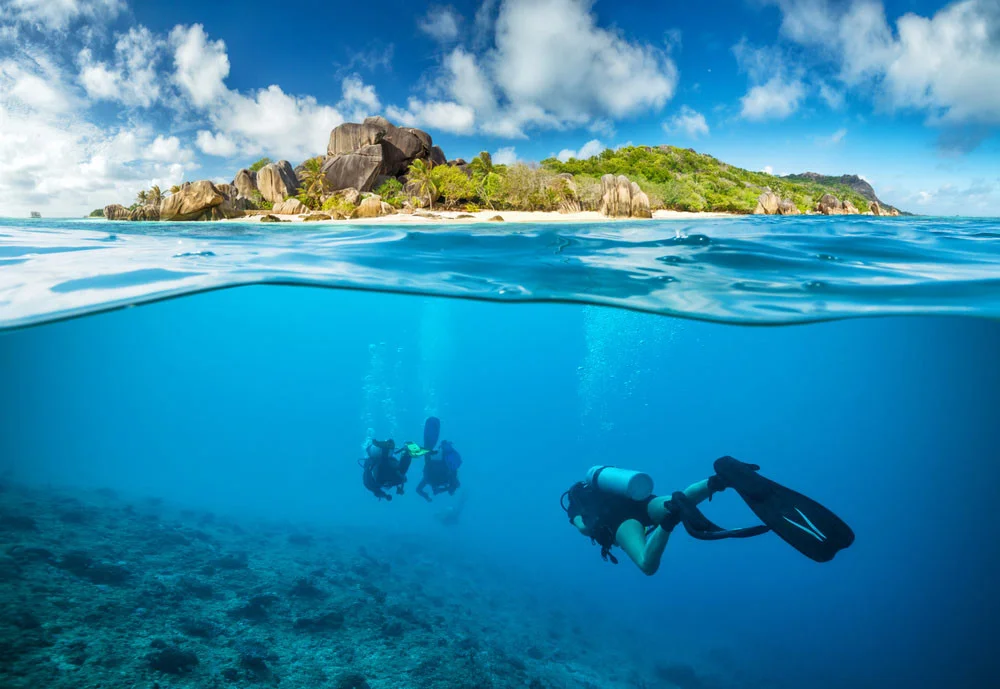

Coral reefs are often called the rainforests of the ocean, yet many of them are disappearing faster than most travelers realize. Rising sea temperatures, pollution, and careless tourism have damaged reefs across the world; including some of the best snorkeling beaches in the world that were once teeming with life.
Still, there are places where coral ecosystems remain vibrant, colorful, and surprisingly easy to access straight from the beach.
For travelers who want meaningful snorkeling experiences without boats, certifications, or high costs, shore accessible reefs with living coral represent the best of what remains.
These places combine ecological health, natural beauty, and practical access, making them ideal for both backpackers and serious marine life enthusiasts.
This guide focuses only on snorkeling beaches where coral ecosystems are demonstrably alive, diverse, and reachable directly from the shore.
What “Coral Reefs Still Alive” Really Means

Living coral reefs are not defined by color alone. A healthy reef shows several signs:
- Active coral growth with branching, plate, and boulder corals
- Presence of algae grazing fish such as parrotfish and surgeonfish
- Balanced biodiversity including invertebrates and reef predators
- Clear water with minimal sediment disturbance
- Little to no coral breakage near entry points
Many snorkeling destinations still advertise reefs even when coral cover is mostly dead. The beaches listed here are known for sustained coral health due to conservation, natural conditions, or limited development.eefs do not require boats, certifications, or expensive tours, making them ideal for independent travelers.
Why Shore Accessible Reefs Matter More Than Ever

Reefs close to shore face more stress than offshore reefs. They are exposed to runoff, foot traffic, sunscreen pollution, and careless snorkeling.
When a shore reef remains healthy, it usually means long term protection or strong community stewardship.
For travelers, shore snorkeling reefs offer:
- Lower environmental impact when done responsibly
- No fuel use from boats
- Easier access for beginners
- Lower cost and greater independence
These reefs survive because pressure is managed, not absent.
The Best Snorkeling Beaches with Living Coral Reefs
Ningaloo Reef, Western Australia

Ningaloo Reef is one of the largest fringing reefs in the world, meaning it runs parallel to the shoreline and is easily accessible from the beach.
Unlike many famous reefs, you can snorkel directly from sandy beaches without a boat.
The reef supports colorful coral gardens, turtles, reef sharks, manta rays, and seasonal whale sharks. Despite its biodiversity, Ningaloo remains less crowded than other global reef destinations.
Backpacker tip: Camping and budget lodges are available in nearby towns like Exmouth, making it more affordable than it appears.
Apo Island, Philippines

Apo Island is a standout example of community led reef conservation. Decades ago, local fishermen agreed to protect parts of the reef, resulting in one of the healthiest snorkeling environments in Southeast Asia today.
The coral reef begins just meters from shore and features dense coral cover, sea turtles, and massive schools of fish. Conditions are suitable for both beginners and experienced snorkelers.
Backpacker tip: Apo Island is accessible via public transport and short boat rides from Negros, with simple homestays and guesthouses available.
Hanauma Bay, Hawaii

Hanauma Bay is a protected marine reserve formed inside a volcanic crater. Strict visitor limits and reef education programs have helped restore coral health after years of overuse.
Snorkelers can see parrotfish, butterflyfish, surgeonfish, and well preserved coral in shallow water. The beach entry is easy, making it beginner friendly.
Backpacker tip: Entry fees apply, but bringing your own gear and visiting early keeps costs low.
Bonaire National Marine Park, Caribbean
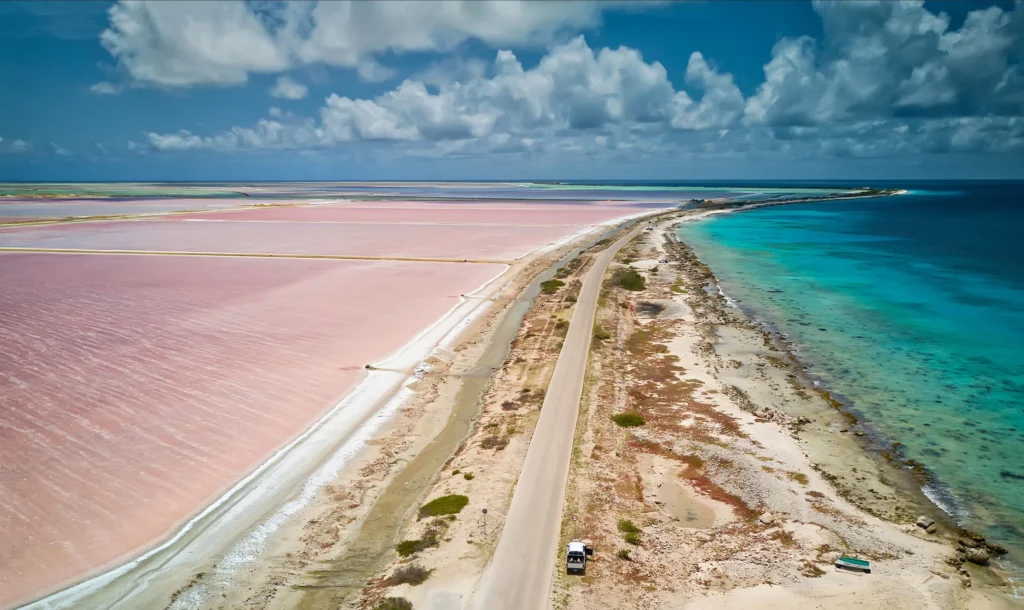
Bonaire is often called the shore diving capital of the world, but it is equally impressive for snorkeling.
The island’s entire coastline is protected as a marine park, resulting in exceptional coral health.
Many beaches offer direct access to reef drop offs with minimal swimming required. Water clarity is consistently high.
Backpacker tip: Renting a scooter or small car allows you to explore multiple snorkeling beaches independently.
Redang Island, Malaysia

Redang Island is known for clear water and vibrant coral reefs close to shore. Several beaches feature shallow coral gardens suitable for snorkeling, especially during calm sea conditions.
Marine life includes clownfish, blue spotted rays, reef sharks, and healthy coral formations.
Backpacker tip: Budget accommodation is limited but available on nearby islands, with day trips to Redang’s reefs.
Sharm El Sheikh House Reefs, Egypt

Along Egypt’s Red Sea coast, many beaches feature house reefs that begin directly at the shoreline. These reefs are among the most resilient globally due to stable water conditions.
Snorkelers can see dense coral growth, large fish species, and exceptional visibility. Some reefs are suitable for beginners, while others have deeper sections for confident swimmers.
Backpacker tip: Public beach access reefs exist outside resort areas and offer similar quality snorkeling.
Amed, Bali, Indonesia

Amed offers one of Bali’s healthiest remaining coral reef systems. The snorkeling starts close to shore and includes coral slopes, artificial reef projects, and diverse marine life.
Local conservation efforts and lower tourist density compared to southern Bali have helped preserve reef health.
Backpacker tip: Amid has affordable guesthouses, local food, and snorkeling directly from the beach without tours.
Beginner vs Intermediate Snorkeling Considerations

Beginner friendly reefs typically feature:
- Sandy entry points
- Shallow coral gardens
- Minimal currents
Intermediate reefs may include:
- Coral drop offs
- Deeper swim distances
- Stronger surge or current
Choosing the right reef for your skill level protects both you and the coral.
Best Seasons for Coral Snorkeling
General guidelines:
- Dry season offers clearer water and calmer seas
- Avoid heavy rainfall months due to sediment runoff
- Morning hours provide better visibility and calmer water
Local conditions always matter more than general rules.
Responsible Snorkeling Is Non Negotiable
Healthy reefs exist because damage is limited.
Always:
- Float, never stand
- Keep fins above coral
- Use mineral sunscreen or protective clothing
- Maintain distance from marine life
One careless snorkeler can destroy decades of coral growth.
Why These Reefs Are Worth Protecting
Living coral reefs:
- Support coastal fisheries
- Protect shorelines from erosion
- Store climate history
- Sustain tourism economies
Snorkeling beaches with living reefs are not just attractions. They are indicators of environmental success.
Final Thoughts
Finding snorkeling beaches with coral reefs still alive requires more effort than it once did, but the reward is deeper and more meaningful.
These places show that reefs can survive and even thrive when protected by nature, policy, and responsible travel.
For backpackers, they offer affordable access to extraordinary ecosystems. For travelers of any kind, they provide a chance to experience the ocean as it should be, alive, balanced, and resilient.
Choosing these destinations and snorkeling responsibly is not just good travel. It is necessary travel.
Stay tuned with us. Further, follow us on social media for the latest updates.
Join us on X, Instagram for the Latest Travel related updates.