
VIK, ICELAND: One of the country’s most photographed natural wonders, Reynisfjara Black Sand Beach, is undergoing one of the most dramatic transformations in recent memory after weeks of relentless winter storms stripped much of its iconic volcanic sand and triggered a major shoreline collapse.
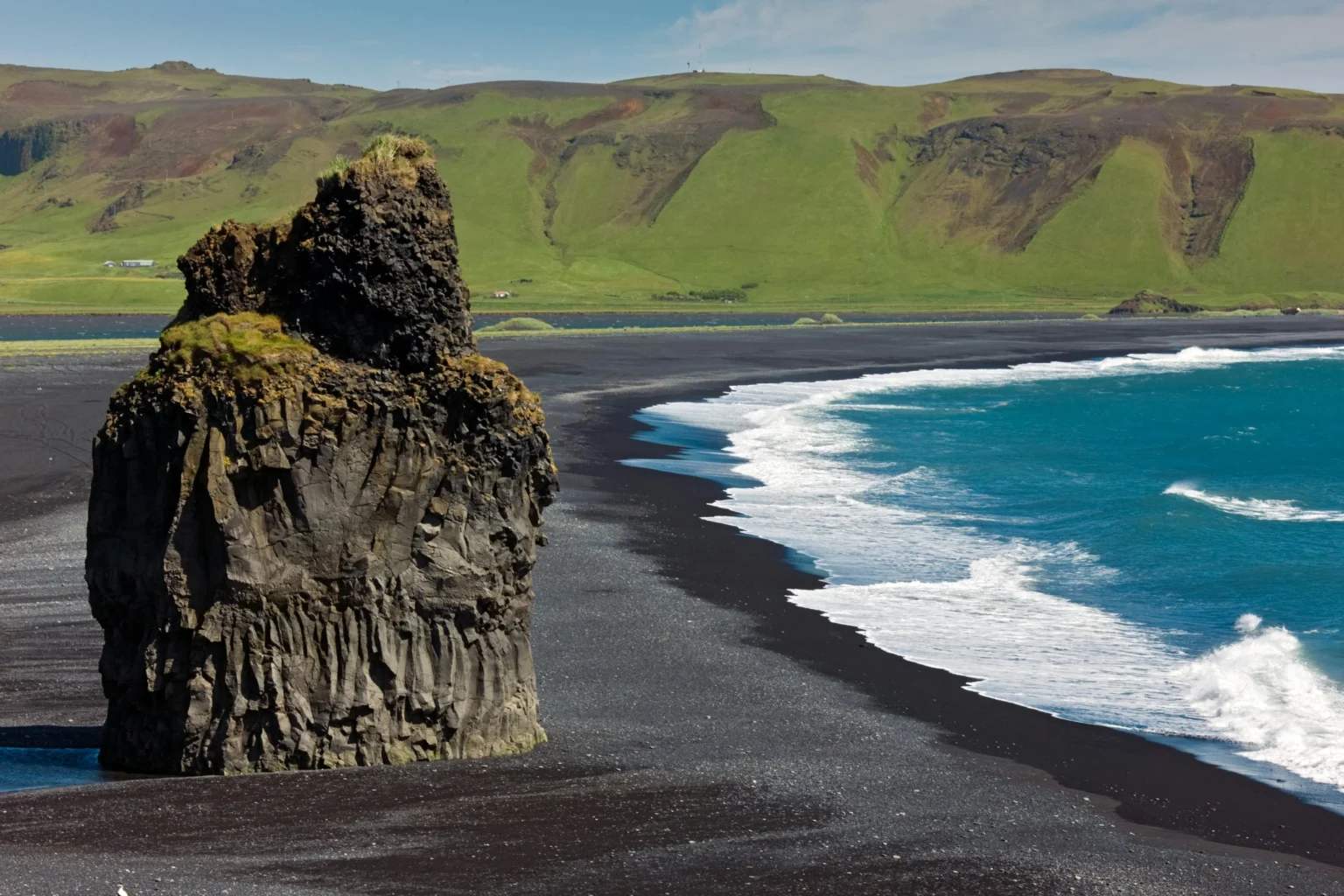
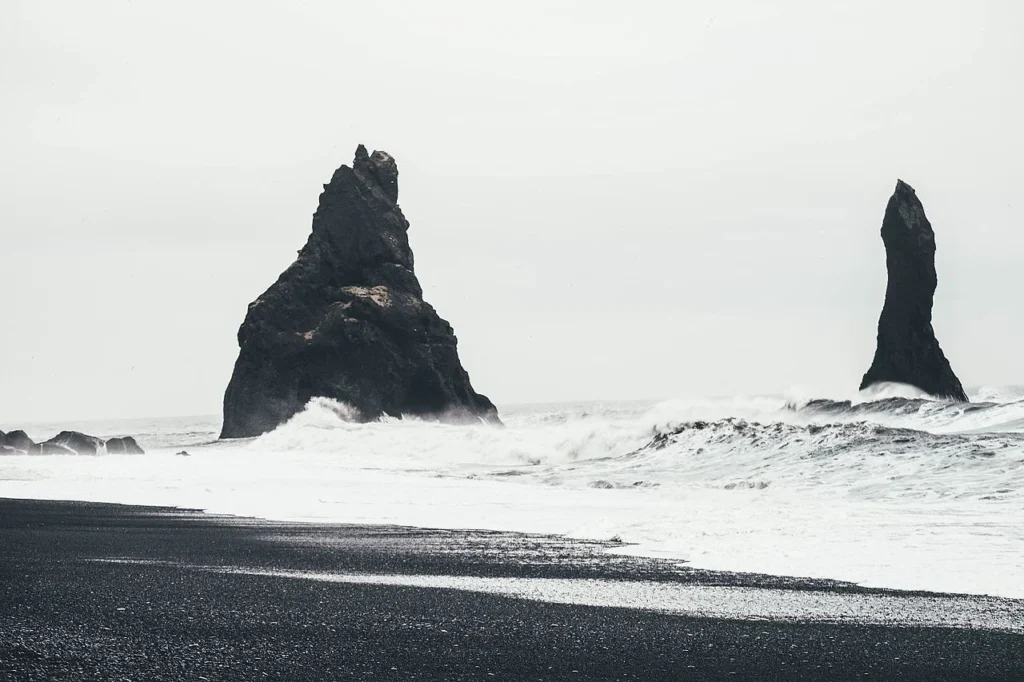
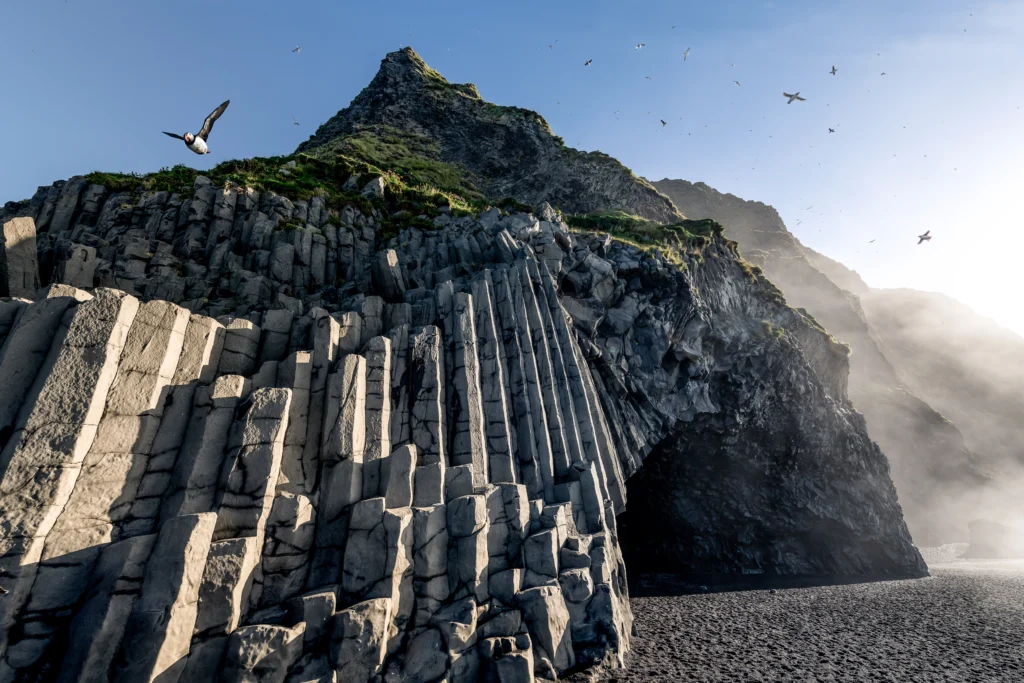
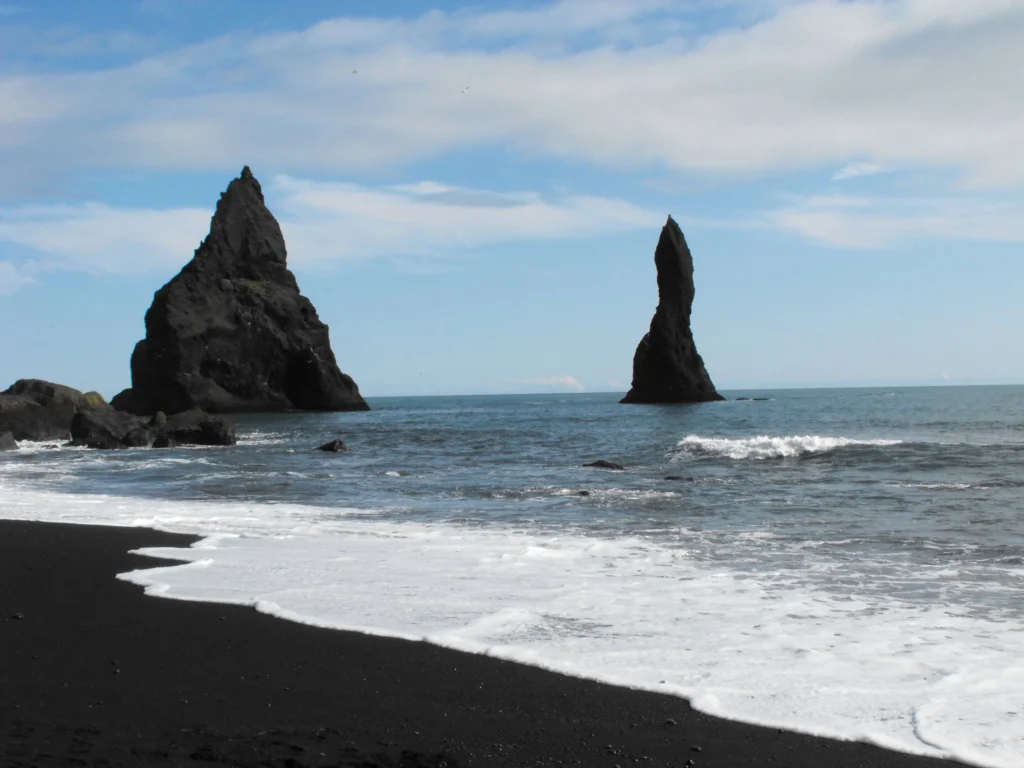
Located along Iceland’s South Coast near Vík í Mýrdal, Reynisfjara is globally recognized for its jet black sands, towering geometric basalt columns, and the jagged sea stacks known as Reynisdrangar rising from the North Atlantic.
But by early February 2026, visitors and locals were confronted with a starkly altered landscape. Large sections of sand have vanished. Massive boulders now dominate areas once covered in soft volcanic grains.
A significant portion of the shoreline beneath Reynisfjall has collapsed, cutting off walking access to caves that had long been a highlight for travelers.
Residents say the speed of change has been shocking.
Many born and raised in the area describe it as the worst landslide and most rapid erosion event they have witnessed at the site.
What Caused the Sudden Erosion?
According to coastal engineers, this winter delivered an unusual atmospheric pattern.
Instead of the more typical southwesterly winds that move sand eastward along Iceland’s southern coastline, persistent easterly winds dominated for weeks.
Sigurður Sigurðarson, a coastal engineer with the Icelandic Road Administration, explained to local broadcaster RUV News that these easterly winds were often accompanied by very high waves.
Easterly winds carry sand westward along the coast, reversing the usual sediment flow.
Combined with repeated high energy Atlantic swells, this pattern stripped sand from Reynisfjara faster than it could naturally replenish.
Reynisfjara’s black sand is composed largely of basalt fragments formed when lava rapidly cools in contact with seawater.
While visually striking, this volcanic sediment is highly mobile. Under strong wave action, it can shift quickly, exposing rock layers beneath.
The result this winter was accelerated coastal retreat and destabilization of the cliff base beneath Reynisfjall, culminating in a major collapse that permanently altered beach access.
A Meteorologist’s Personal Account
Weather.com meteorologist Caitlin Kaiser visited Reynisfjara in November 2025, just months before the winter storms reshaped the coastline.
She described arriving at sunset and watching the orange glow of the setting sun reflect off the Atlantic against the dark volcanic sand.
“We were sitting at the base of those basalt columns and exploring a cave that is now completely surrounded by water,” she said.
At the time, visitors could walk into caves carved into the basalt formations along the shore. Today, parts of those caves are cut off by rising tides and missing sand.
“It felt like running around on nature’s playground,” Kaiser reflected. “It makes me sad that future visitors may not get that same experience.”
Her firsthand perspective underscores how quickly natural landscapes can change, even in a country known for geological dynamism.
A Landscape Known for Drama and Danger
Reynisfjara has long drawn visitors from around the world. Its otherworldly appearance helped it gain international fame, including as a filming location for scenes in Game of Thrones.
But the beach has always carried risks.
Sneaker waves, powerful surges that rush unexpectedly up the shore, have made Reynisfjara one of Iceland’s most dangerous tourist sites. Authorities regularly warn visitors to maintain distance from the waterline.
With the recent erosion, new hazards have emerged. Steeper beach profiles, unstable rock debris, and collapsed sections of cliff increase the risk for those who venture too close to the affected areas.
Local guides report that access beneath Reynisfjall has been significantly reduced. Some walking routes that once connected sections of the beach are now blocked by rockfall or tidal changes.
Officials are monitoring the site closely and may adjust access points if erosion continues.
Tourism and Economic Implications
Reynisfjara is among Iceland’s most visited natural attractions. South Coast day tours frequently include stops at the beach alongside waterfalls and glaciers.
For many travelers driving the Ring Road, it is a must see highlight.
Tour operators may need to adapt itineraries if parts of the beach remain inaccessible.
Temporary closures or rerouted walking paths could become necessary depending on continued storm activity and cliff stability assessments.
While Iceland’s tourism industry is resilient and accustomed to natural variability, sudden changes at such an iconic destination inevitably affect visitor expectations.
Travelers planning trips in 2026 are advised to check official safety advisories and consult tour providers for updated access information.
Can the Beach Recover?

Coastal systems operate in cycles. If prevailing wind patterns shift back to their typical southwesterly direction, sand could gradually redeposit along the shoreline.
However, full restoration to its previous configuration is not guaranteed.
When major cliff collapses occur, the geometry of a coastline changes. Newly exposed bedrock and large boulders alter how waves break and where sediment accumulates. Even if sand returns, it may settle differently than before.
Longtime tour guides interviewed by Iceland Monitor emphasized that Reynisfjara has always evolved with storms and seasons. What distinguishes this winter is the speed and scale of change.
In geological terms, Iceland is young and constantly shifting due to volcanic activity, glacial movement, and powerful ocean forces. Reynisfjara itself was shaped by eruptions and centuries of wave erosion.
This latest transformation is part of that ongoing story.
Climate Context and North Atlantic Storm Patterns
Meteorologists note that the North Atlantic has experienced intense winter storm cycles in recent years.
While scientists continue to study long term climate trends and their influence on storm intensity, repeated high energy swells increase erosion pressure on exposed coastlines.
Iceland’s southern shore faces the open Atlantic without significant natural barriers. When sustained winds align with powerful ocean currents, wave energy concentrates along beaches like Reynisfjara.
Even short periods of persistent directional winds can significantly shift sediment transport patterns.
Whether this winter represents an anomaly or part of a broader pattern remains under scientific observation.
What is clear is that coastal resilience depends heavily on wind direction and wave energy balance.
A Reminder of Nature’s Power
For many who have visited, Reynisfjara represents the raw essence of Iceland. The stark contrast of black sand and white surf.
The symmetry of basalt columns rising like cathedral walls. The distant silhouettes of Reynisdrangar against stormy skies.
That beauty exists within a living, dynamic system.
Landscapes shaped by volcanic fire and Atlantic waves are not static monuments. They evolve, sometimes slowly over centuries, and sometimes abruptly within weeks.
Standing on the newly altered shoreline, visitors can witness that transformation firsthand.
The disappearance of vast stretches of sand may feel like loss to those who remember the previous landscape. Yet it also serves as a powerful reminder of the forces that continue to sculpt Iceland today.
Safety Guidance for Visitors
Authorities urge travelers to exercise caution:
- Maintain a safe distance from the ocean at all times.
- Respect warning signs regarding sneaker waves and unstable cliffs.
- Avoid climbing on freshly exposed rocks or near landslide zones.
- Check updated local advisories before visiting.
Reynisfjara remains open, but conditions can change rapidly depending on weather and tides.
The Future of Reynisfjara
Will the black sand return? Possibly in part. Coastal engineers say that if prevailing wind directions normalize, sediment could gradually rebuild sections of the beach.
But even if sand redeposits, the overall profile may never look exactly as it did before the winter of 2026.
For Iceland, a country defined by dramatic geological activity, such change is not unusual. Volcanoes erupt. Glaciers retreat.
Rivers carve new paths. And beaches reshape themselves under the force of wind and water.
Reynisfjara’s transformation may ultimately deepen its significance rather than diminish it. Visitors now witness not just a postcard landscape, but a living demonstration of coastal dynamics in action.
In the span of a single season, one of Iceland’s most iconic natural landmarks has been rewritten by the elements.
And along the windswept shores near Vík, the Atlantic continues its patient work.
Stay tuned with us. Further, follow us on social media for the latest updates.
Join us on X, Instagram for the Latest Travel related updates.