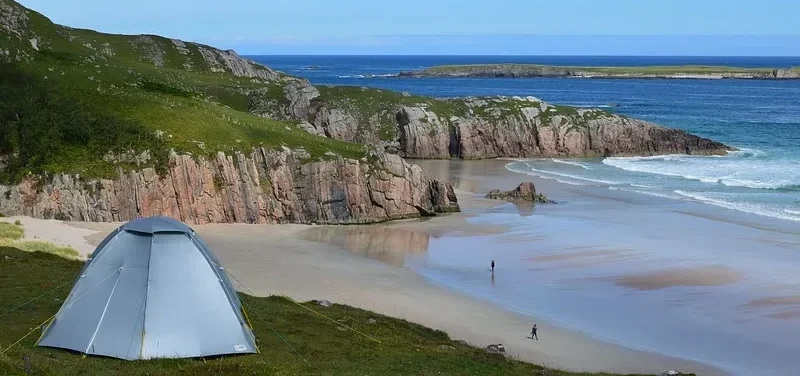

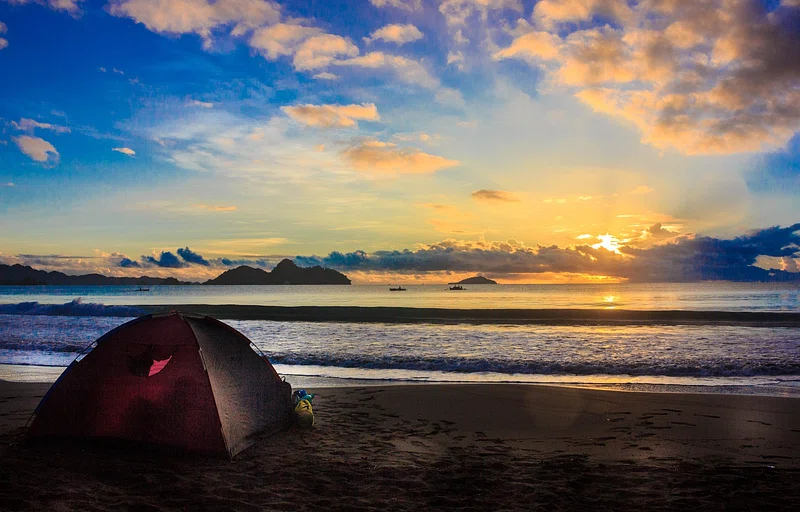
Beach camping is one of the purest ways to experience the outdoors. Falling asleep to the rhythm of waves, waking up to sea air, and spending days barefoot on sand creates a connection with nature that hotels and resorts cannot offer.
However, beach camping is not as simple as pitching a tent anywhere near the water. Laws, tides, wildlife, weather, and fragile ecosystems all play a role.
This guide covers the top 10 beaches best beaches for camping in the world, chosen for legality, safety, scenery, and overall experience. You will also find everything needed to plan correctly, avoid fines, stay safe, and camp responsibly.
What Makes a Beach Suitable for Camping
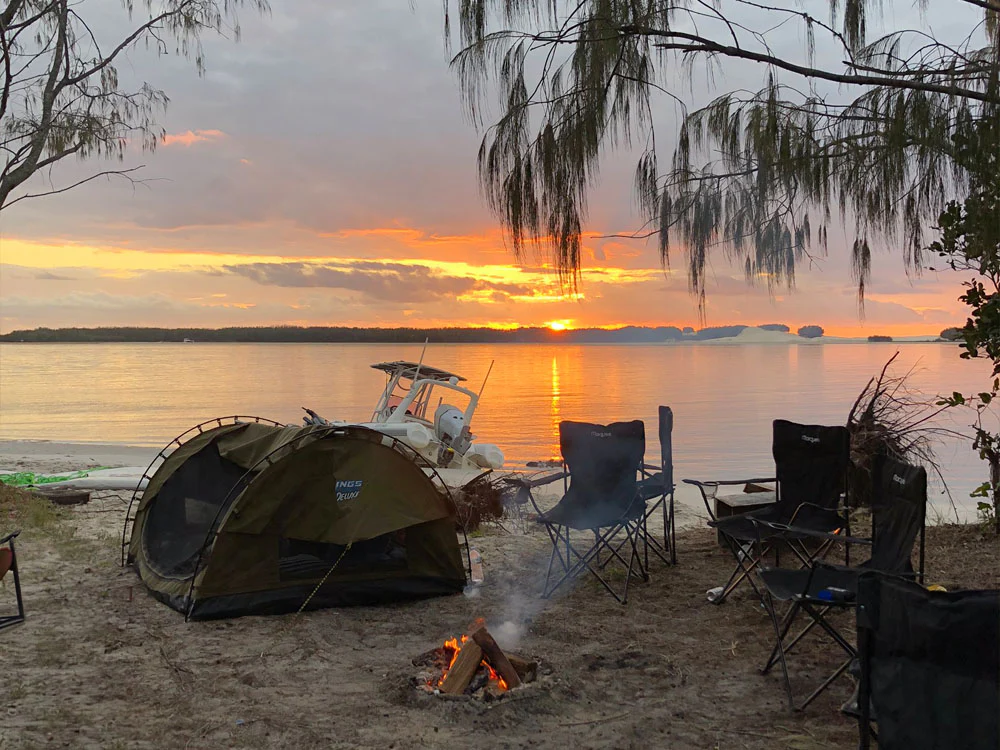
Not all beaches allow camping, and not all legal beaches are safe. The best beach camping locations share several qualities:
- Clear legal permission or permit systems
- Safe distance from high tide zones
- Predictable seasonal weather
- Access to freshwater or nearby facilities
- Minimal environmental sensitivity or regulated protection
Understanding these factors is critical for both safety and ranking your trip as a success.
Top 10 Beaches Best for Beach Camping
1. Kalaloch Beach, Olympic National Park

Kalaloch offers one of the most reliable oceanfront camping experiences in the United States. Located along Washington’s rugged Pacific coast, the campground sits above the shoreline with direct beach access and dramatic sea stacks.
Why it is ideal
- Legal campground with facilities
- Easy access for beginners
- Incredible sunsets and wildlife
Best time to visit
June to September
Permits and rules
Book campsites through Recreation.gov. Camping below the high tide line is prohibited.
2. K’gari (Fraser Island), K’gari

K’gari is one of the most iconic beach camping destinations in the world. You can legally camp along designated coastal zones on the world’s largest sand island.
Why it is ideal
- True beach camping experience
- Massive open coastline
- Unique wildlife and freshwater lakes
Best time to visit
April to October
Permits and rules
Camping permits and vehicle access permits are mandatory and strictly enforced.
3. Point Reyes National Seashore

Point Reyes offers remote coastal camping accessible only by foot, creating a quieter and more immersive experience.
Why it is ideal
- Secluded beaches
- Backpacking style camping
- Excellent coastal hiking
Best time to visit
Spring and fall
Permits and rules
Backcountry permits are required and book months in advance.
4. Tulki Beach, Ningaloo Coast, Cape Range National Park

Tulki Beach combines beach camping with world-class snorkeling just offshore.
Why it is ideal
- Close to Ningaloo Reef
- Simple, quiet campsites
- Exceptional marine life
Best time to visit
April to October
Permits and rules
Designated campground only. Fires restricted.
5. Luskentyre Beach, Isle of Harris

Luskentyre offers legal wild beach camping under Scotland’s Outdoor Access Code.
Why it is ideal
- Wild camping allowed responsibly
- Stunning white sand beaches
- Minimal crowds
Best time to visit
May to August
Permits and rules
No permit required but Leave No Trace is essential.
6. Assateague Island

Famous for wild horses, Assateague offers both oceanside and backcountry beach camping.
Why it is ideal
- Unique wildlife
- Legal beach camping zones
- Vehicle-free areas
Best time to visit
Late spring to early fall
Permits and rules
Backcountry permits required. Secure food from wildlife.
7. Isla Espíritu Santo
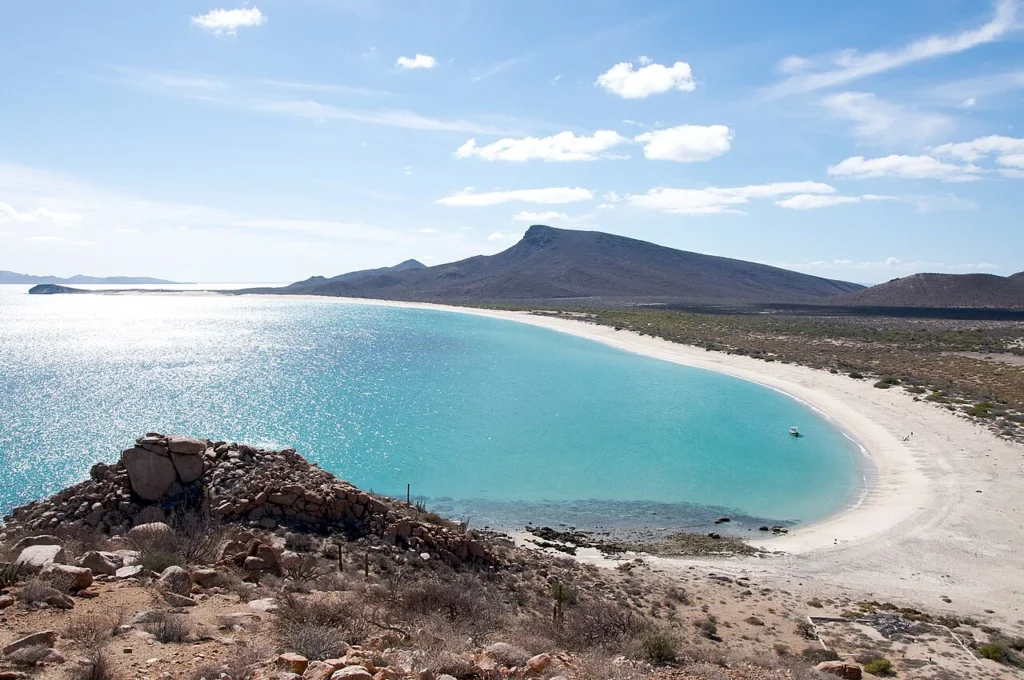
A protected island ideal for kayak-supported beach camping.
Why it is ideal
- Remote island beaches
- Incredible snorkeling
- Protected ecosystem
Best time to visit
October to April
Permits and rules
Environmental permits required. Often arranged through licensed operators.
8. Nehalem Bay State Park

This sand-spit campground offers direct beach access with strong facilities.
Why it is ideal
- Beginner friendly
- Protected dunes
- Long sandy shoreline
Best time to visit
June to September
Permits and rules
Reserve through Oregon State Parks.
9. Cape Tribulation, Daintree National Park
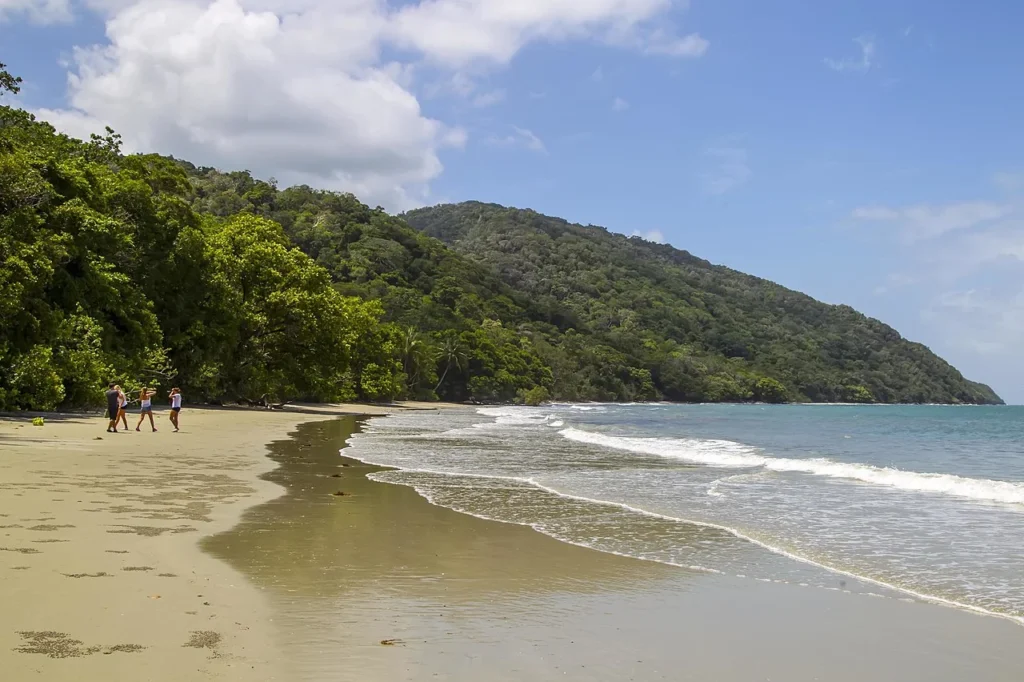
Where rainforest meets reef, this area offers managed beachfront camping.
Why it is ideal
- Unique ecosystem
- Legal camping areas
- Close to Great Barrier Reef
Best time to visit
April to November
Permits and rules
Camping allowed only in designated sites.
10. North Manitou Island, Sleeping Bear Dunes National Lakeshore

Freshwater beach camping with true wilderness isolation.
Why it is ideal
- Remote island experience
- Clear lake waters
- Backcountry permits
Best time to visit
June to September
Beginner vs Experienced Beach Camping
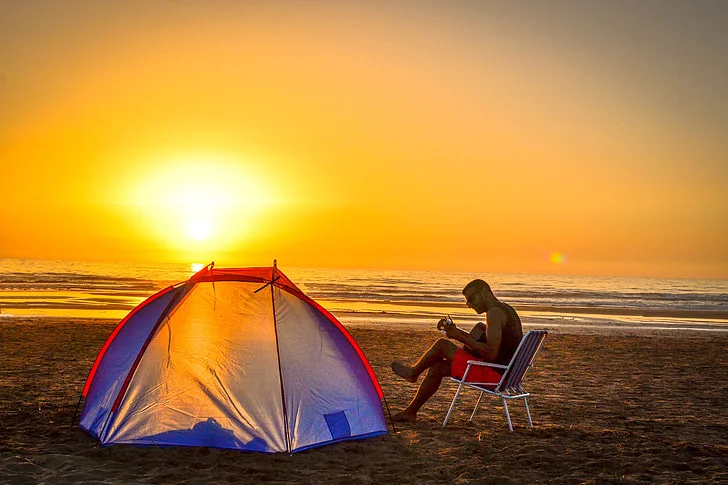
Beginner friendly
- Kalaloch
- Nehalem Bay
- Assateague
Experienced campers
- K’gari
- Isle of Harris
- Espíritu Santo
- Manitou Islands
Vehicle-Based vs Walk-In Beach Camping
Vehicle camping allows gear transport but increases tide risk. Walk-in camping is quieter and safer for sensitive beaches but requires self-sufficiency.
Fire, Food, and Wildlife Rules
- Fires often banned or restricted
- Driftwood usually protected
- Wildlife requires sealed food storage
- Never leave food unattended
Tides, Storms, and Erosion Safety
- Camp above debris line
- Avoid cliff bases
- Check swell forecasts
- Never camp during storm warnings
Who Should Not Beach Camp
Avoid beach camping if you:
- Need guaranteed facilities
- Dislike wind or sand
- Are uncomfortable with isolation
- Expect hotel-level comfort
Essential Beach Camping Packing List
- Low-profile tent and sand anchors
- Sleeping pad and weather-rated bag
- Stove and fuel
- Tide charts and offline maps
- Headlamp and power bank
- First aid kit
- Trash bags for pack-out
Leave No Trace on Beaches
- Camp only where permitted
- Pack out everything
- Respect wildlife
- Minimize fire impact
- Keep noise low
Frequently Asked Questions About Beach Camping
Can you camp directly on the beach?
Only where explicitly allowed by local authorities or parks.
Is beach camping legal worldwide?
No. Laws vary by country and region.
Is beach camping safe?
Yes, when tides, weather, and permits are respected.
What is the best gear for beach camping?
Low-profile tents, sand anchors, stoves, and waterproof storage.
Do you need permits for beach camping?
Often yes, especially in protected areas.
Can beginners try beach camping?
Yes, at designated campgrounds with facilities.
Are campfires allowed on beaches?
Rules vary. Many beaches ban fires entirely.
How do you choose a safe place to pitch a tent?
Above high tide line, away from cliffs and dunes, with weather awareness.
Final Thoughts
Beach camping is one of the most rewarding ways to experience the coast when done legally and responsibly. These ten beaches represent the best balance of freedom, safety, and natural beauty available today.
With proper planning, permits, and respect for the environment, beach camping offers something rare in modern travel: silence, space, and simplicity.
Stay tuned with us. Further, follow us on social media for the latest updates.
Join us on X, Instagram for the Latest Travel related updates.