

For generations, tropical beach vacations have been the gold standard of escape, turquoise shallows, white sand, cocktails in hand, and warm weather replacing winter coats and morning commutes.
But as climate awareness grows and tourism expands into fragile ecosystems, a new travel question has emerged: is it possible to enjoy tropical beaches sustainably without sacrificing comfort?
The encouraging answer is yes. And not only is it possible, many travelers today argue it actually enhances the experience.
Sustainable choices often translate into cleaner beaches, healthier reefs, better food, quieter accommodations, and more authentic cultural encounters. Comfort isn’t disappearing; it’s simply being redefined.
Why Tropical Beaches Need Sustainable Travelers

Tropical coastlines are delicate environments. They are shaped by coral reefs, seagrass beds, mangrove forests, dune systems, and coastal communities, each interacting in ways that keep the water clear, protect wildlife, and cushion shorelines from storms.
When reefs bleach, mangroves are cut, or trash accumulates, the experience travelers come for quickly erodes.
Tourism plays an undeniable role. Millions of travelers visit islands in the Caribbean, Southeast Asia, Central America, and the Indian Ocean annually.
Resorts require energy and water, imported food increases emissions, reef tours can damage marine life, and aviation emits carbon long before travelers step on the sand.
Yet shutting down tourism isn’t the answer. Coastal economies rely heavily on travelers for jobs, trade, and infrastructure.
The goal isn’t to stop traveling, it’s to upgrade the way we travel so beaches thrive long into the future.
Redefining “Comfort” for Modern Travelers
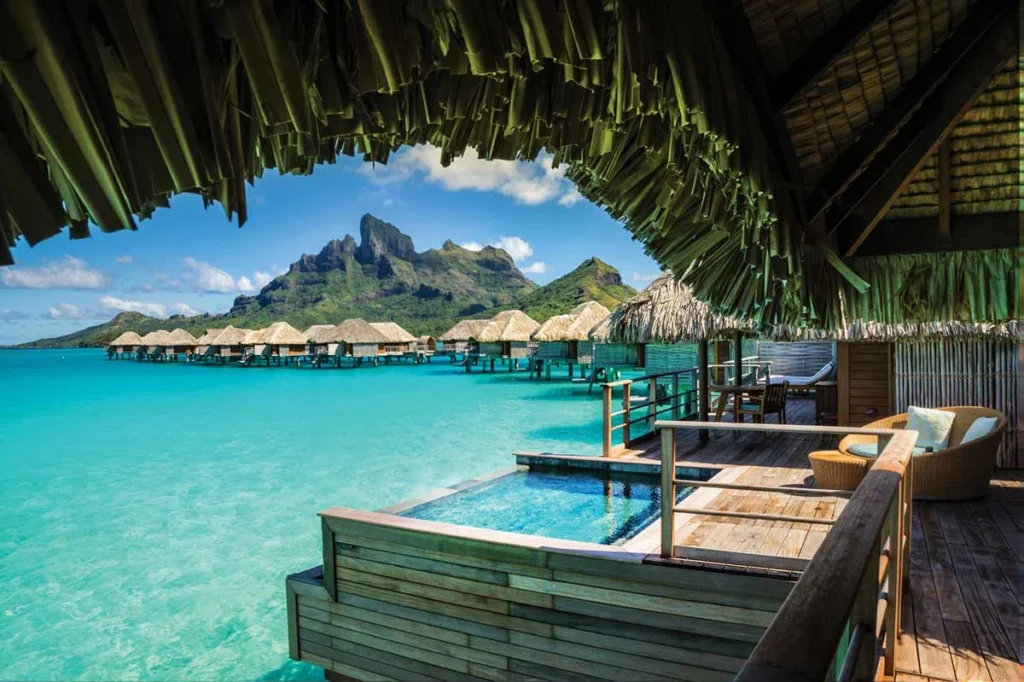
Comfort used to be associated with excess, buffet-style abundance, disposable convenience, and high-resource amenities.
But comfort is evolving toward smart luxury: better design, better food, better sleep, fewer crowds, and a lighter footprint.
Travelers increasingly prioritize:
- high-quality accommodations over high-impact consumption
- authentic food over imported dining
- local excursions over generic tours
- cleaner beaches over private pools
- natural wellness over artificial pampering
In many sustainable resorts, comfort is actually improved not reduced, because sustainability creates cleaner water, quieter surroundings, healthier ecosystems, and richer cultural immersion.
Eco-Luxury: Sustainability Without Sacrifice

One of the most surprising innovations in sustainable beach travel is that luxury properties are often leading the charge.
From the Seychelles to the Maldives to Turks & Caicos, high-end resorts now incorporate:
- renewable solar energy
- desalination and water recycling systems
- coral nurseries and marine research labs
- sea turtle conservation programs
- composting and waste sorting facilities
- low-impact architecture
- electric or hybrid watercraft
- farm-to-table and reef-friendly seafood sourcing
None of these diminish comfort. Guests still enjoy plush bedding, spa treatments, beach villas, and private transfers.
The difference is invisible to most, except for the noticeable improvement in the surrounding environment.
Responsible Dining: Where Sustainability Improves Flavor

Food and sustainability intersect strongly on tropical beaches. Seafood in particular defines coastal cuisine, but unsustainable fishing threatens reefs, turtle nesting zones, and marine biodiversity.
Travelers who aim for both comfort and responsibility can choose:
- day-caught fish over industrially frozen imports
- herb-and-vegetable dishes using local produce
- sustainably farmed shellfish (low impact and delicious)
- reef-safe species instead of overfished ones
Not only do these choices protect fragile ecosystems, but they also tend to taste better.
Freshly caught dorado or spiny lobster grilled beachside beats imported salmon or tuna flown halfway around the world.
Sustainability here enhances the traveler’s sensory experience, comfort elevated, not diminished.
Water, Waste, and the Science of Island Comfort

Most tropical islands lack abundant freshwater. Resorts often rely on desalination, an energy-intensive process, to supply showers, spas, pools, and gardens.
Sustainable properties now reduce strain without affecting the guest experience through:
- high-efficiency desalination systems
- rainwater capture
- greywater reuse
- drip irrigation for landscaping
- native vegetation instead of thirsty ornamentals
Waste systems matter too. Islands without recycling programs export waste or burn it—both harmful to coastlines and communities. Sustainable resorts implement:
- composting
- waste sorting
- refillable toiletries
- glass and metal over plastic
- ocean-safe cleaning products
All of this happens behind the scenes without asking travelers to give up soft bedding, warm showers, or chilled drinks.
Marine Conservation: Protecting What Travelers Come to See
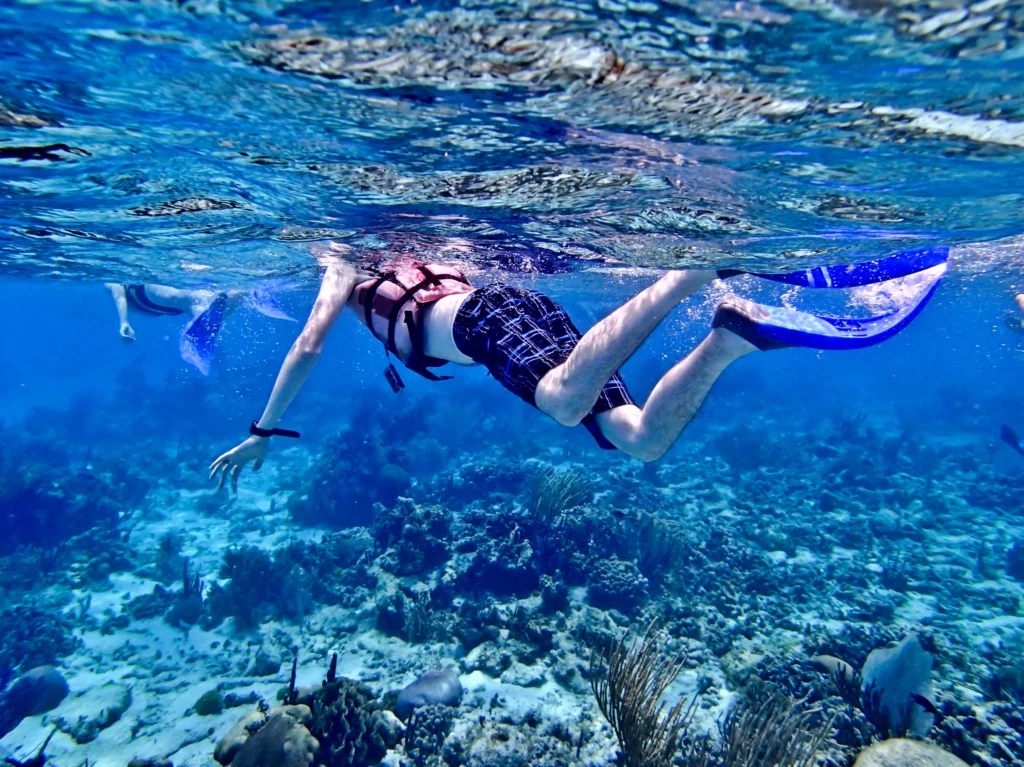
Snorkeling with turtles or diving with rays is a dream for many tropical travelers, yet heavy tourism pressure can damage exactly what people fly across the world to experience.
Responsible tour operators improve both conservation outcomes and traveler enjoyment by ensuring:
- no anchoring on reefs
- no chasing, touching, or feeding marine animals
- proper buoyed dive sites
- knowledgeable reef guides
- restrictions during turtle nesting seasons
- smaller group sizes
Smaller, quieter, and more respectful tours feel more premium. They also provide richer educational value and greater wildlife encounters, comfort through quality, not volume.
Aviation: The Hard Part of Sustainable Beach Travel
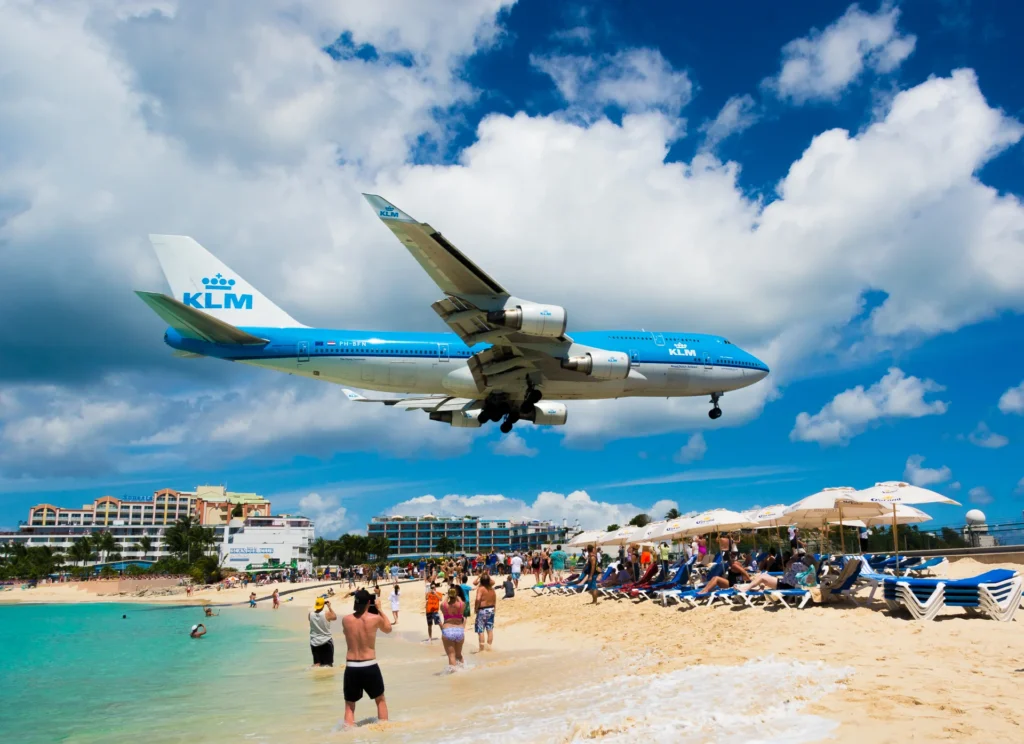
Flights contribute a large portion of emissions for long-haul beach vacations. And tropical beaches typically require flying, especially for North American and European travelers during winter.
Sustainable options exist that do not sacrifice comfort:
- booking nonstop flights (reduces fuel burn + travel time)
- choosing newer, more efficient aircraft (A350, B787, A321XLR)
- selecting airlines investing in sustainable aviation fuel (SAF)
- carbon offsets tied to coastal or blue carbon conservation
The A350 and 787 are, incidentally, some of the most comfortable long-haul cabins in service, better humidity, quieter engines, improved pressure settings.
Here, sustainability aligns with traveler well-being.
The Role of Local Communities
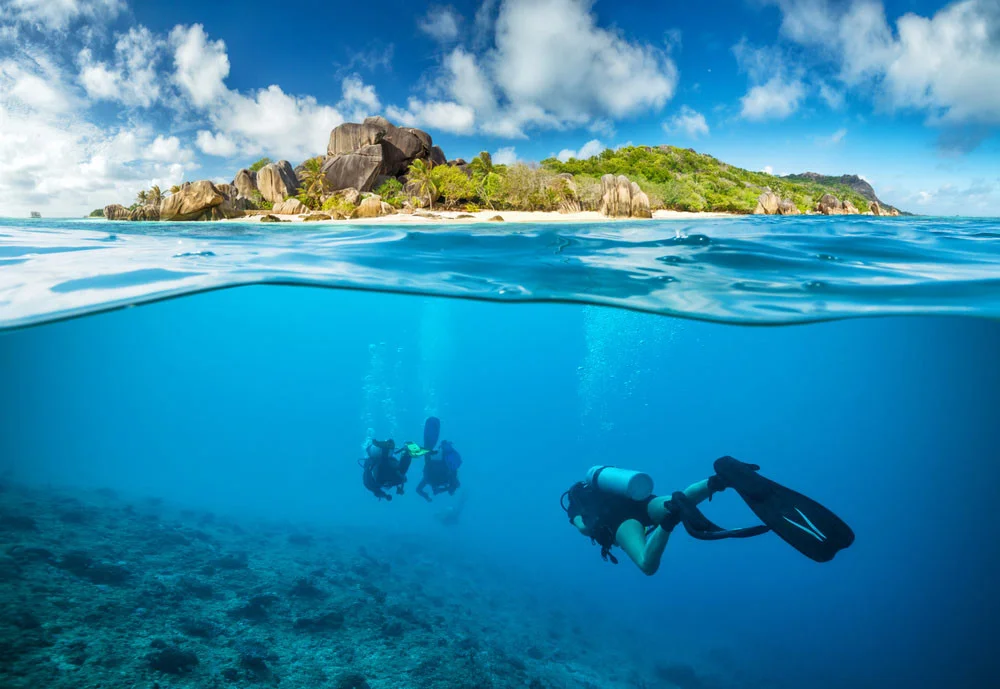
Sustainable tropical beach tourism isn’t only about coral reefs and turtles. It’s about people. Communities hosting travelers need to benefit meaningfully, or tourism becomes extractive.
Comfort doesn’t disappear when spending becomes ethical, dining at a family-run beach café or taking a boat with a local operator can be more enjoyable than staying within a resort bubble. Travelers gain cultural richness, better storytelling, and a warmer welcome.
Examples include:
- community-led snorkel tours in Belize
- fishing cooperatives in the Seychelles
- cultural beach walks in Barbados
- artisanal coastal markets in Mauritius
Supporting locals strengthens the travel experience and the destination simultaneously.
Technology Is Quietly Making Sustainable Comfort Easier

Sustainability once implied rustic compromises. Not anymore. Technology has accelerated convenience while lowering impact.
Modern solutions include:
- solar-powered beachfront bungalows
- AI optimization for resort energy and water
- electric beach buggies and boats
- reef-safe sunscreen innovations
- biodegradable amenities
- high-efficiency desalination filters
- carbon-smart booking platforms
Most guests never see these systems, it’s sustainability working invisibly while comfort remains center stage.
Eco-Experiences That Feel Luxurious
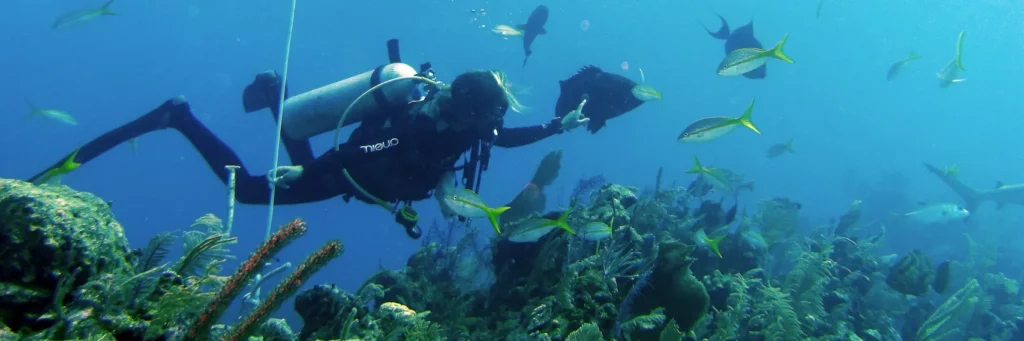
Wellness and sustainability overlap strongly in tropical travel. Activities like:
- stand-up paddleboarding
- kayaking in mangroves
- snorkeling above seagrass meadows
- stargazing with zero light pollution
- coastal yoga and spa rituals
- birdwatching in saltwater marshes
deliver sensory pleasure while requiring minimal resources. Instead of lowering comfort, they elevate presence and connection.
Eliminating Plastic Without Eliminating Convenience
Single-use plastic is a major coastal issue. Islands lacking recycling infrastructure struggle with plastic bottles, wrappers, and bags, many of which find their way into the ocean.
Replacing plastic does not lower comfort when executed correctly:
- filtered water dispensers
- reusable glass bottles
- bamboo toothbrushes
- cloth laundry bags
- metal straws
- refillable bathroom amenities
The traveler keeps convenience, just without the waste.
Choosing the Right Destination for Sustainable Comfort
Some destinations are naturally positioned for sustainable beach travel because of their environmental policies, infrastructure, or tourism models.
Places that balance sustainability and comfort well include:
- Seychelles (marine reserves + eco-luxury)
- Costa Rica (conservation + community tourism)
- Maldives (eco innovations + reef programs)
- Mauritius (blue economy + cultural depth)
- Belize (reef protection + local guides)
- Hawaii (reef-safe legislation + education)
- Barbados (blue economy + community focus)
These destinations prove travelers don’t need to compromise.
The Future of Tropical Beach Travel
Looking ahead to 2026 and beyond, sustainable comfort is becoming the default expectation rather than a niche preference. Trends shaping the future include:
- reef-safe sunscreen mandates
- marine protected area expansions
- community tourism models
- eco-certification transparency
- sustainable seafood normalization
- digital nomad infrastructure reform
- aviation carbon reduction strategies
- regenerative restoration projects
The beach vacations of tomorrow will not feel like sacrifice, they will feel like enhancement.
Frequently Asked Questions
Q1. What does it mean to travel sustainably to tropical beaches?
A sustainable tropical beach trip means minimizing environmental impact while supporting local economies and protecting natural habitats like coral reefs and mangroves, all while preserving traveler comfort and well-being.
Q2. How can I enjoy a luxury beach vacation sustainably?
You can choose eco certified resorts, seek out properties that use renewable energy, support local conservation efforts, dine on locally sourced seafood, and engage in low-impact activities like snorkeling with reef guides.
Q3. Are there eco-friendly beach destinations that still feel luxurious?
Yes. Destinations like the Maldives, Seychelles, and Costa Rica have luxury resorts with renewable energy, marine conservation programs, and high-end amenities that maintain comfort while reducing environmental impact.
Q4. How can tourists reduce plastic waste on beach vacations?
Carrying reusable bottles, choosing hotels with refillable amenities, avoiding single-use plastics, and participating in local beach cleanups are simple ways travelers can cut plastic waste.
Q5. Why is reef-safe sunscreen important for tropical travel?
Chemical sunscreens can harm coral reefs and marine life, so using reef-safe sunscreen protects the underwater ecosystem while you enjoy snorkeling and swimming.
Q6. Is it possible to offset my flight emissions to a tropical beach?
Yes. Many airlines offer carbon offset programs, and travelers can also support blue carbon projects focused on coastal ecosystem restoration to balance aviation emissions.
Q7. What eco-friendly activities can I do at tropical beaches?
You can join guided reef snorkel tours, paddleboard over seagrass beds, hike coastal trails, explore mangrove forests, attend local cultural experiences, and volunteer with conservation groups.
Q8. How do I choose a sustainable tropical beach destination?
Look for areas with marine protected zones, eco tourism certifications, reef protection policies, renewable energy adoption, and strong local conservation initiatives.
Final Thoughts
Traveling to tropical beaches sustainably is not about giving up air conditioning, ditching luxury, or settling for less.
It’s about choosing better; better destinations, better operators, better accommodations, better activities, and better stewardship of the coastlines that make these trips magical.
Comfort doesn’t vanish, it evolves. It becomes more peaceful, more sensory, more authentic, more flavorful, and more ethical.
The future of tropical beach travel is not defined by limitation, but by deeper enjoyment rooted in respect for place.
And in that sense, the most sustainable tropical vacation may also be the most satisfying one.
Stay tuned with us. Further, follow us on social media for the latest updates.
Join us on X, Instagram for the Latest Travel related updates.